
Kishinden STRIKE-G- brings feature phone mecha battles to Switch today
The classic Japanese mobile RPG is out now on Switch and Steam, bringing grid-based dungeon crawling and 1v1 arena battles to modern platforms.
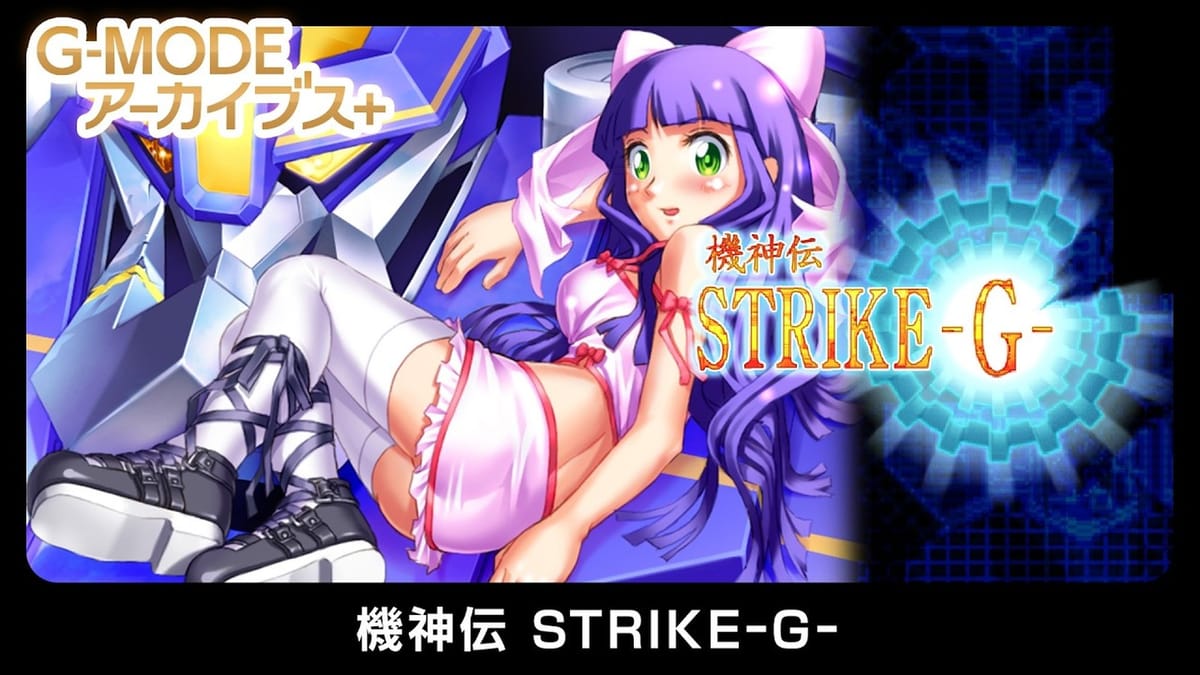
G-MODE released the feature phone mecha RPG Kishinden STRIKE-G- today for Nintendo Switch and Steam. That means it's out right now. First announced during a preview broadcast earlier this year, the game is the latest addition to the G-MODE Archives+ label. The project focuses on porting older Japanese mobile titles to modern platforms before the original hardware completely dies off and takes the software with it.
The original game was developed by HOPEMOON for early Japanese mobile phones. They built a reputation for squeezing complex mechanics into tiny file sizes. It's a simulation RPG built around upgrading a single machine rather than managing a massive squad of pilots.
The plot is standard anime fare written by Hachiro Izumi. Earth has suffered a massive disaster due to a shift in its axis. The survivors live in a massive artificial island city called Tatsumi Minato City. A girl named Yuri finds a trashed humanoid combat weapon equipped with an artificial intelligence in a slum junkyard. She repairs the robot, which is named Asura. To repay the favor, Asura enters a local mecha battle royale tournament called Strike Gigants to win a better life for her.
Customizing the machine
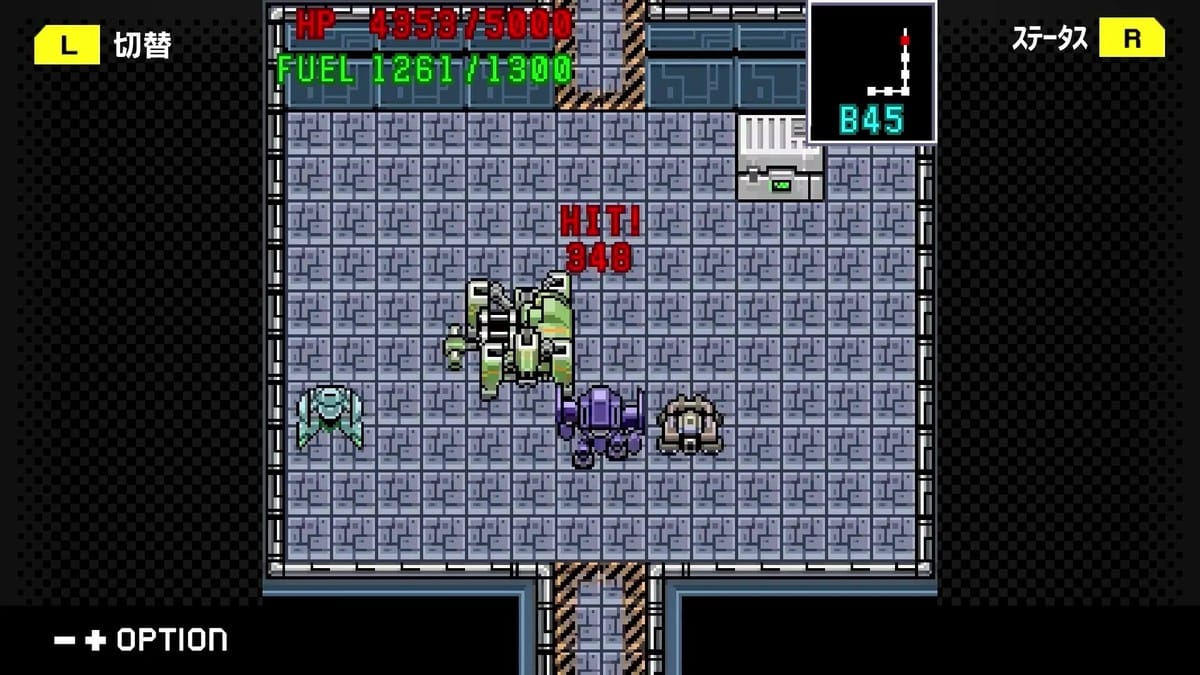
The core gameplay loop splits into two distinct modes. First, you navigate randomly generated dungeons to scavenge for points and parts. Combat happens from a top-down, grid-based perspective where the player's mech bumps into enemy units. It looks incredibly dense for a game originally played on a numeric keypad.
Once you gather enough resources from the dungeons, you spend time upgrading Asura. The customization system lets you swap out equipment and tune the machine for 1v1 arena fights. You need to carefully balance your loadout before stepping into the arena. If you bring the wrong weapons to a fight against a heavier opponent, you will probably lose your entry fee and your pride.
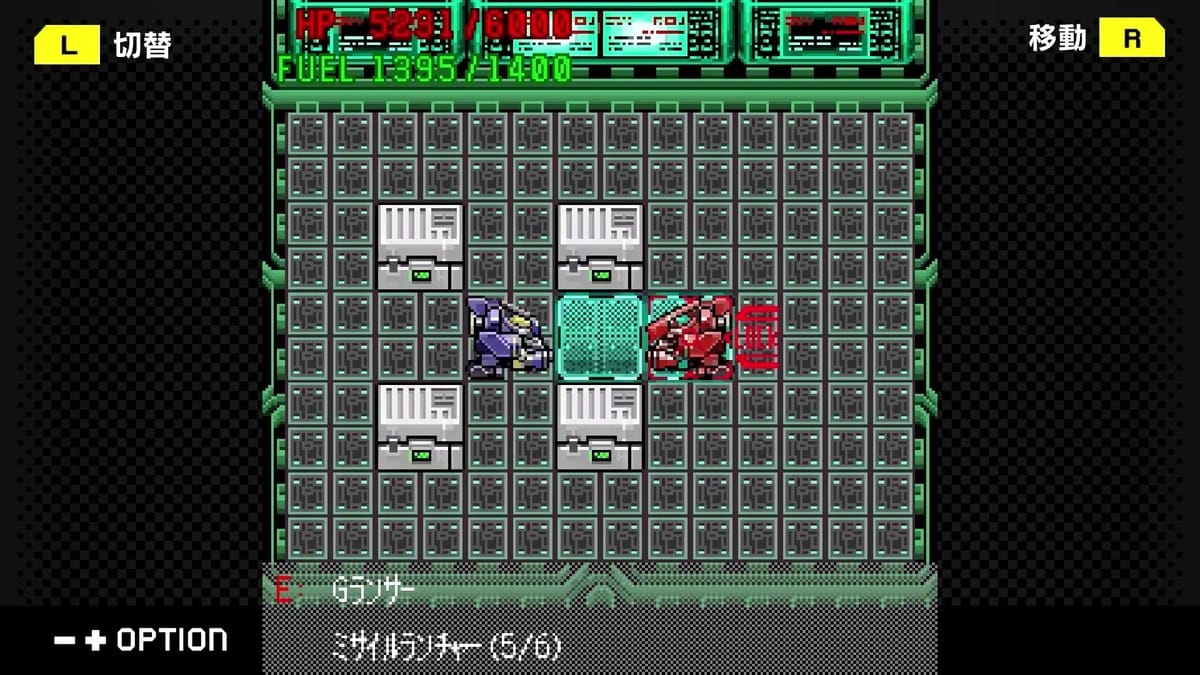
Arena sequences drop the top-down view for a more cinematic combat presentation. Missile barrages and laser attacks fill the screen with chunky visual effects. There are 30 different rival mechs to defeat in the tournament. Defeating them all is the only way to reach the top rank and finish the story.
A specific era of mobile games
Playing a 20-year-old phone game on a modern television is a strange experience. The graphics are completely unscaled pixel art surrounded by massive digital borders. The UI is an aggressively dense cluster of menus and stat screens. It works, which is the nicest thing I can say about early mobile game interfaces. You've got to respect a developer who managed to cram a full simulation RPG into a device meant for sending text messages.
The game is available on both the official G-MODE Archives site and Steam. G-MODE has been steadily working through a massive backlog of these old mobile titles over the last few years. Most of them never left Japan. This initiative is one of the few ways to actually play them today. Seeing a forgotten mecha RPG get a second chance on modern hardware is a weird but welcome surprise.

Comments ()