
Konami's classic arcade voices are finally accurate on MiSTer
Jotego's JT539 core update brings perfect, sample-accurate sound to Konami arcade games like X-Men, alongside new cores for Dragon Buster and Escape Kids.
FPGA developer Jose Tejada, better known as Jotego, has released an update for the JT539 core that achieves bit-accurate emulation of Konami's 054539 sound chip. The update is available now for MiSTer FPGA and Analogue Pocket users. According to Jotego's latest development post, the reverse-engineering work restores the filters, stereo echo, and sound shaping that have been missing from these games for over two decades.
Konami was an arcade powerhouse in the early 1990s, and it's easy to see why. Games like X-Men, Run and Gun, and Premier Soccer relied on the 054539 chip to drive their digitized speech and sound effects. The JT cores for these games have been playable for a while, but the audio lacked the exact characteristics of the original hardware. A voice cutting through the music or an echo fading out just didn't sound right unless you were standing in front of a real arcade cabinet.
Audio hardware is notoriously difficult to replicate in retro gaming. Software emulators often rely on approximations to generate sound, which can lead to incorrect pitches or subtle timing errors. Field Programmable Gate Arrays solve this by recreating the physical logic gates of the original chips in hardware. When a core is cycle-accurate, it doesn't just sound like a Konami arcade board. It functionally is one.
Matching 6.4 million audio samples
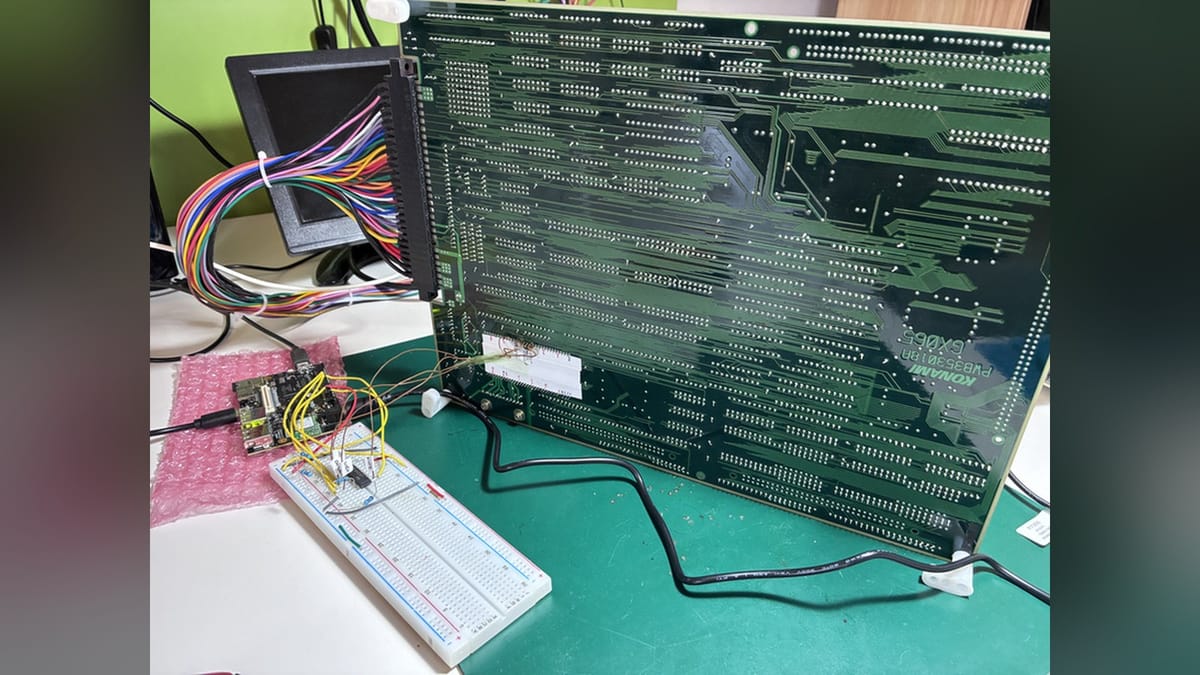
Getting the audio right wasn't easy. It required physical hardware destruction and a lot of math. Hardware researcher Furrtek photographed and traced the actual silicon die of the Konami chip, converting its physical layout into schematics. The team then probed a real X-Men arcade board to verify the timing and arithmetic behavior that schematics alone cannot explain.
For the final verification, they replaced the sound program ROM on the X-Men board with a custom Pico-based test program. They recorded the output of the real chip and compared it against the JT539 core one sample at a time. Out of 196 recordings totaling over 6.4 million samples, they found zero mismatches.
That is the kind of obsessive technical work that makes the FPGA community so fascinating.
Losers go down the toilet
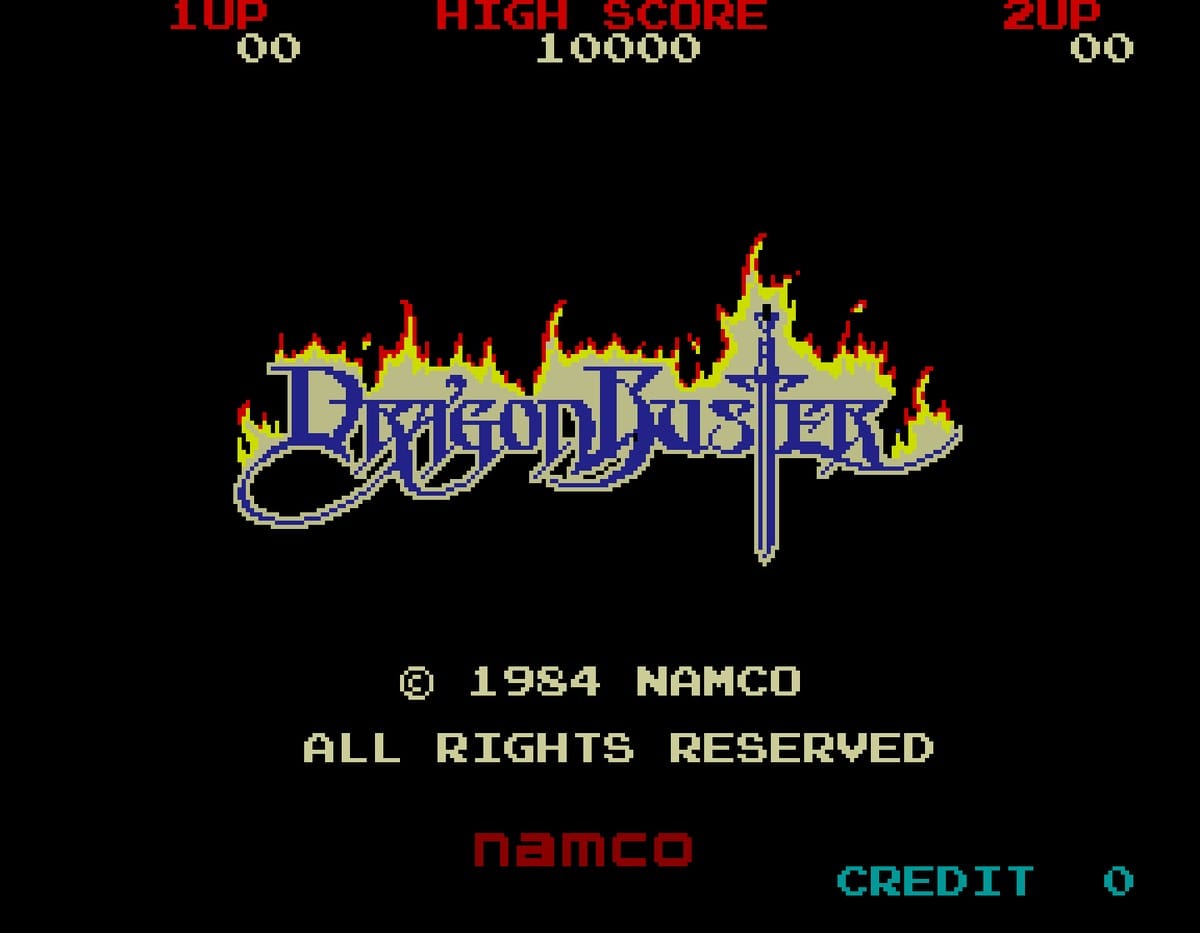
The audio breakthrough is accompanied by three new game releases. Namco's 1985 action game Dragon Buster is now available as a public release. The game features branching paths and a surprisingly deep combat system, where timing a downward sword swing around a double jump deals triple damage. It joins the original Sky Kid (specifically the newer ROM revision, not Sky Kid Deluxe) in a new core contributed by developer Marc Emmerson.
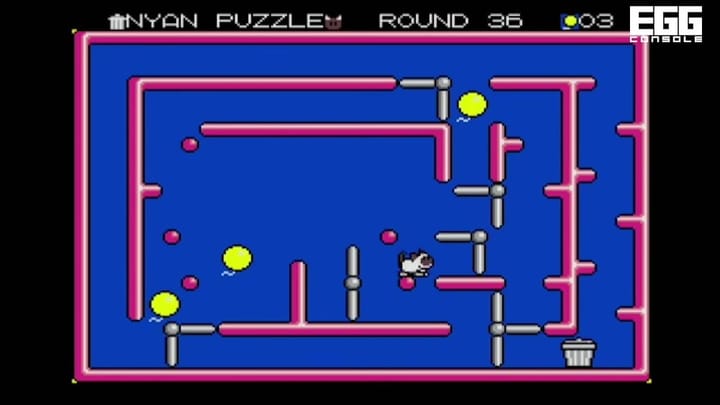
Konami's Escape Kids also joins the lineup, entering beta on the SIMSON core. It's a four-player cross-country racing game where you buy upgrades between rounds. It also features a deeply weird penalty system. If you lose a race, the game literally flushes your character down a toilet. Winning unlocks a bonus stage where you earn extra cash by riding a bike into trash cans.
The update includes a few minor bug fixes as well. An audio level issue in the System 18 core is resolved, and a gear-shifting bug in the recently published OutRun core is fixed. The team also released an AI-generated video explaining the reverse-engineering process, noting they wanted to make the scale of the achievement visible to a wider audience.
Comments ()