
Hyperkin's Mega95 Genesis handheld is finally in mass production
Nearly three years after its CES 2024 reveal, Hyperkin's cartridge-playing Sega Genesis handheld has finished R&D and started factory assembly.
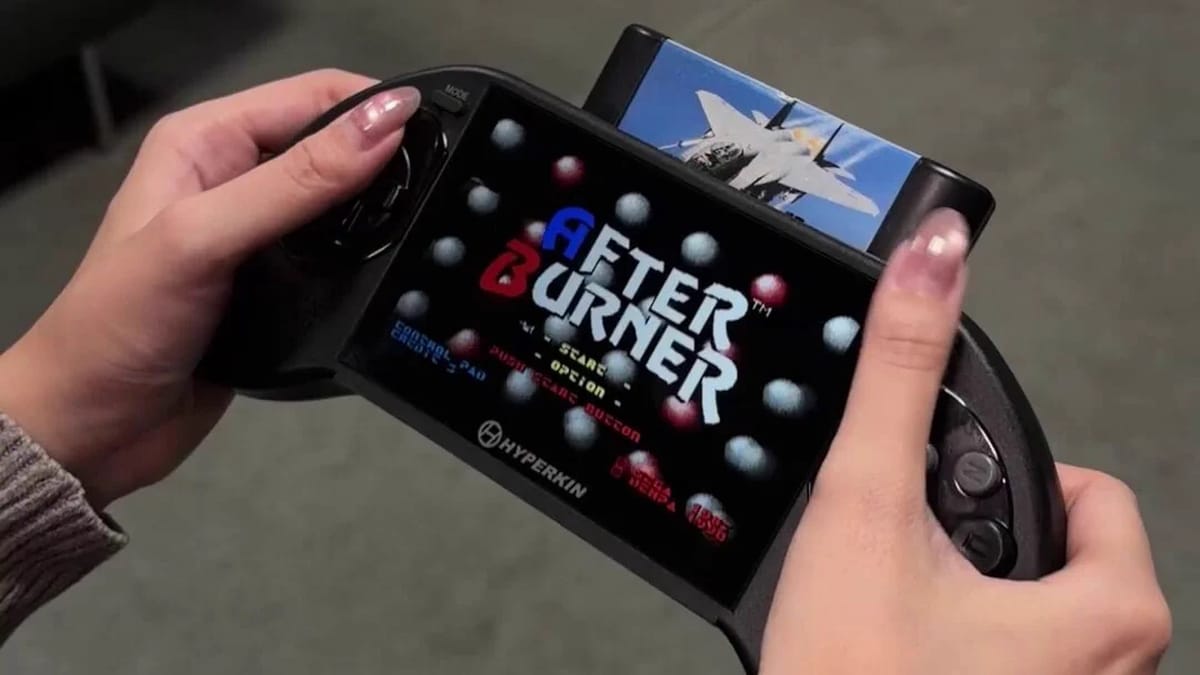
Hyperkin's Mega95 portable Sega Genesis console has finished research, development, and community testing, with mass production now underway. In an October 28 status update on X, the Los Angeles hardware manufacturer confirmed that retail packaging is being finalized and pre-order details will follow soon.
First shown off at CES in January 2024, the Mega95 spent nearly three years in development before Hyperkin confirmed that R&D and testing had wrapped up and factory mass production had finally begun.
Six AA batteries no longer required
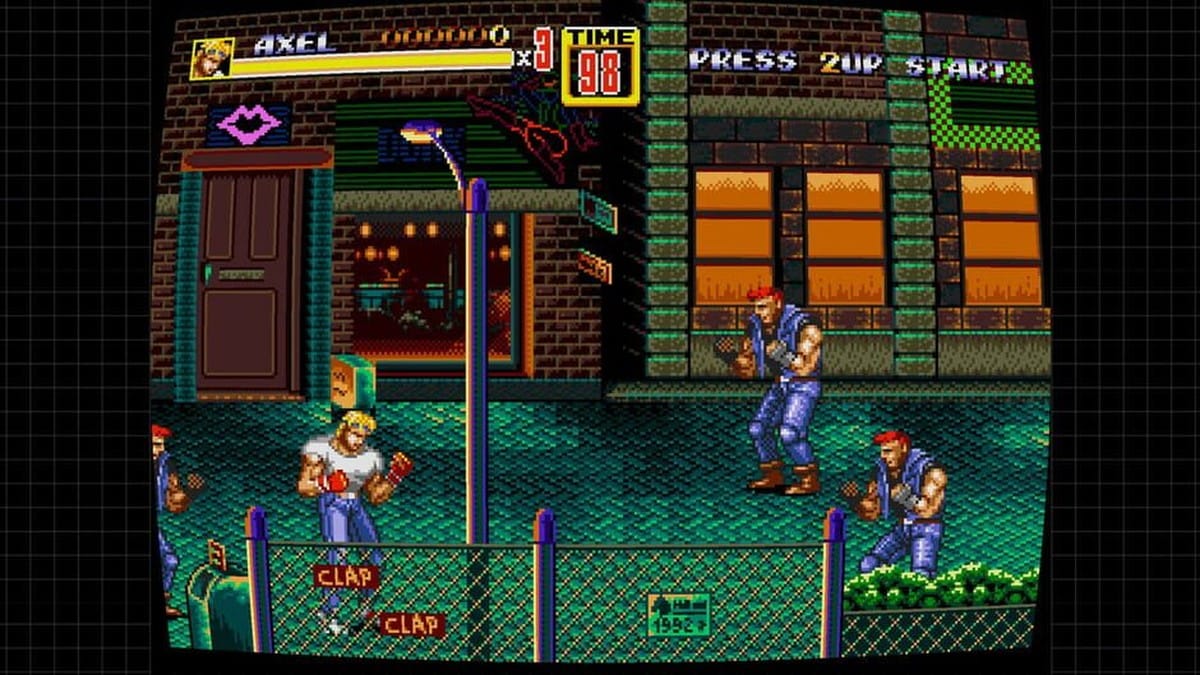
The Mega95 is built as a modern take on the Sega Nomad, the official portable Genesis that Sega released in 1995. Where the original Nomad was notorious for chewing through six AA batteries in about two hours, Hyperkin claims the Mega95's rechargeable battery will last around 10 hours on a charge. It is shaped like a wider version of the classic six-button Genesis pad and takes original North American Genesis and international Mega Drive cartridges directly through a top slot.
The handheld uses a 5-inch display with a physical button to toggle between 4:3 and 16:9 aspect ratios. It also steals a trick from the Nintendo Switch by including a USB-C television dock with two front-facing 9-pin ports for original wired Genesis controllers, so you don't have to buy a separate home clone just to play on a TV.
Taking cartridges on a train is an appealing thought, even if a protruding copy of Sonic & Knuckles with Sonic 3 locked on top will probably test the structural limits of a jacket pocket. For Hyperkin, founded in 2006, the device essentially applies the template of its long-running SupaBoy portable SNES line (which debuted in 2011 and received updated Prime and Crimson editions on October 28) to Sega's 16-bit library.
How it compares to other modern Genesis hardware
Players looking to run Genesis games on modern displays already have several strong options, and the Mega95 occupies a middle ground between budget clones and high-end preservation hardware. At the top of the market sits the Analogue Mega Sg, an FPGA-based home console that replicates the Genesis at the transistor level with near-zero latency, though it has gone out of print and commands steep aftermarket prices. Sega's own Genesis Mini and Genesis Mini 2 plug-and-play consoles offer great software emulation curated by M2, but they are locked to their built-in game lists and cannot read physical cartridges.
Within Hyperkin's own catalog, the Mega95 sits alongside the Mega RetroN HD, a stationary clone console, and the multi-system RetroN 5. Like those machines and the SupaBoy series, Hyperkin's modern hardware typically relies on software emulation via cartridge dumping rather than cycle-accurate FPGA chips. What remains to be seen from the short teaser clip is how the 5-inch screen handles fast motion or whether the audio emulation avoids the pitch issues that plagued earlier Genesis clones.
Still, none of the desktop alternatives let you pull a cartridge out of the living room dock and keep playing elsewhere.

Comments ()