
How SNK built Samurai Shodown out of rogue code and last-minute panic
A newly translated retrospective interview with Yasushi Adachi and Tomoaki Fukui reveals the chaotic development behind SNK's iconic weapon fighter.
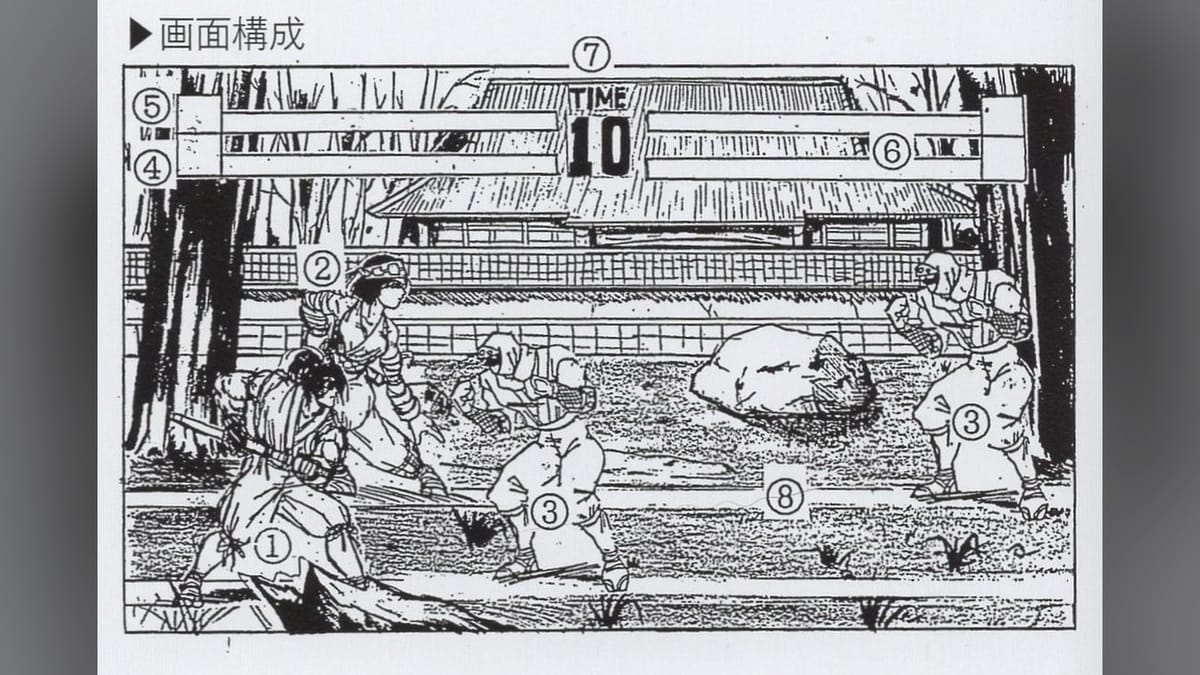
A programmer on Samurai Shodown II coded an entire secret super move and snuck it into the master build without telling the director. The move was a parody of the Ryūko Ranbu from Art of Fighting, and nobody in charge knew it existed until it was already in the game.
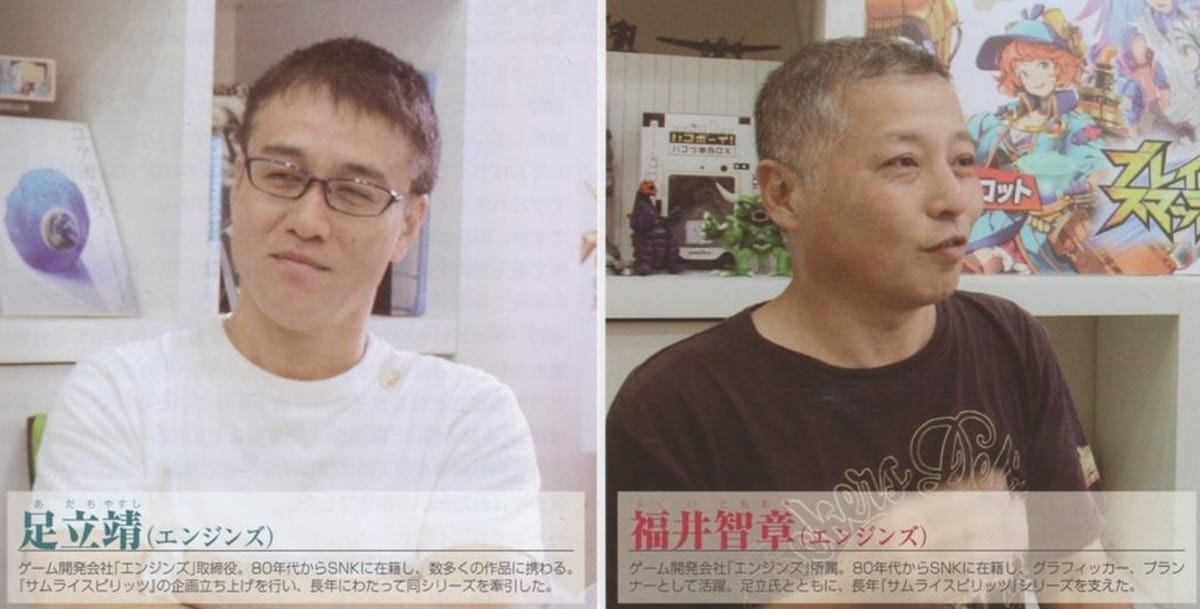
That detail comes from a massive 2020 retrospective interview with SNK alumni Yasushi Adachi and Tomoaki Fukui, which was just translated into English by Shmuplations. The two developers served as producers and designers during SNK's 1990s golden age, and their conversation paints a picture of a studio operating on raw momentum, zero oversight, and a lot of last-minute panic.
SNK's fighting game mechanics were not the result of rigorous internal testing, but mostly flying by the seat of their pants. Adachi joined the company in 1986 after showing up to his interview wearing a Mao suit and handing over a handwritten binder of game ideas. Three years later, Fukui walked in with an art portfolio because he missed the application window for Nintendo.
The 40,000 yen cartridge shock
When SNK launched the Neo Geo in 1990, the hardware was a revelation. The Multi Video System (MVS) for arcades and the Advanced Entertainment System (AES) for homes shared the exact same architecture. This meant home players got perfect arcade ports, provided they could afford them. Fukui notes his own shock at the pricing model: the arcade boards cost around 200,000 yen, while the home cartridges retailed for 40,000 yen (roughly $250 to $300 in the US at the time), despite containing the exact same data.
The transition to the new hardware was not smooth. During the development of the Neo Geo launch title NAM-1975, the team struggled with the system's line sprite rendering. They were initially thrilled by the increased sprite limits, only to find bullets and enemy soldiers vanishing from the screen when they actually ran the game.
Samurai Shodown hit arcades in 1993, introducing weapon combat and the Rage Gauge to a crowded fighting game market.
Studying Street Fighter II frame by frame
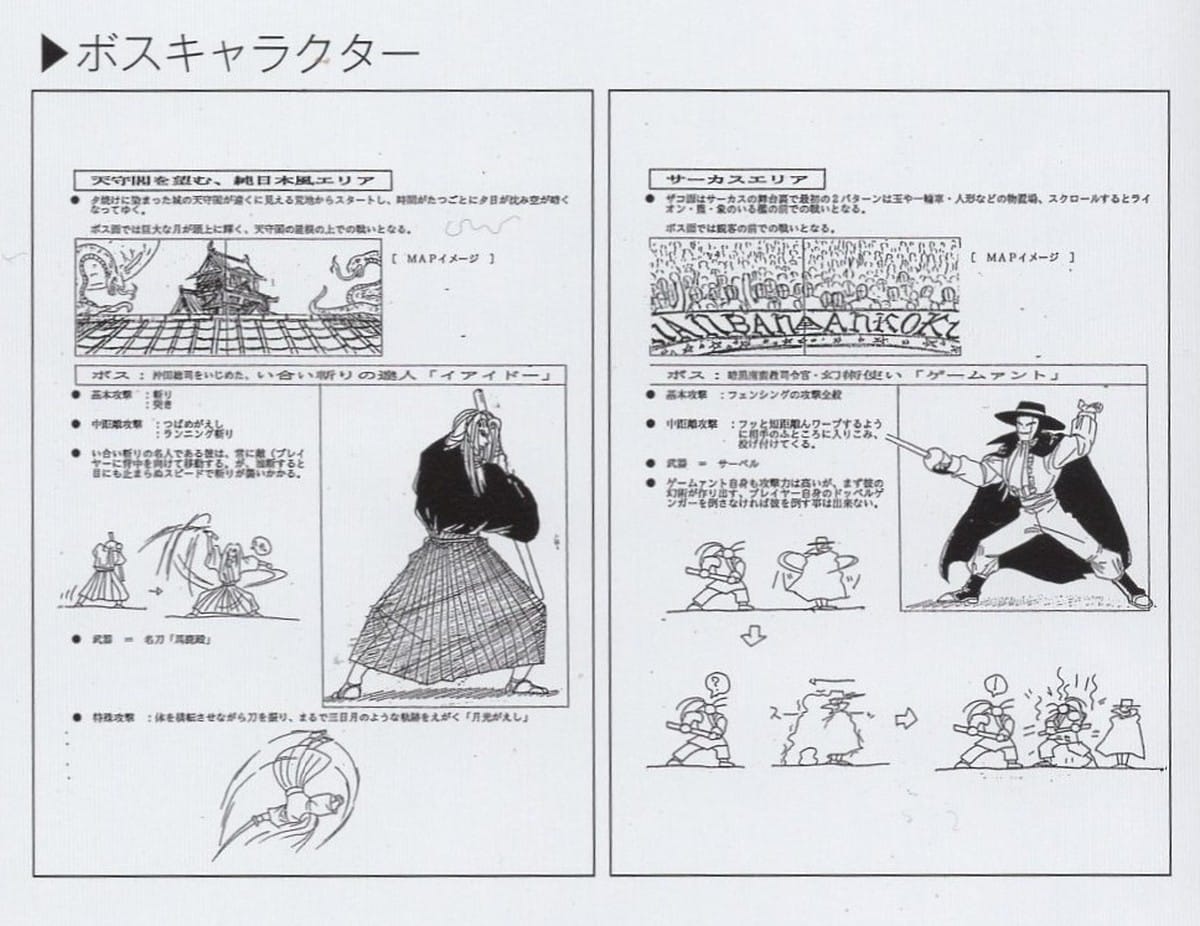
By 1993, Capcom's Street Fighter II was dominating arcades. Adachi initially resisted making a fighting game at all, but once the project was greenlit, the team realized they were completely outmatched. They spent their days going frame-by-frame through Street Fighter II footage, analyzing hitboxes and hitstop to figure out why Capcom's game felt so good to play.
To stand out, they pivoted to weapon combat. The original concept was based on the historical duel at Ganryu Island, but the roster quickly expanded to include ninjas and monsters to appeal to overseas markets. Adachi created Genan as a leftover from an earlier monster game concept, while Fukui handled the game's weirder cast members like Wan-Fu and Earthquake.
Earthquake was a technical nightmare. His massive sprite took up too much memory, forcing the team to build a custom tool just to scale his graphics up and down.
Fixing hitboxes ten minutes before launch
The success of the first game earned the team complete creative freedom for Samurai Shodown II in 1994, which is how the rogue programmer managed to sneak in secret moves. By the time Samurai Shodown III entered development for a 1995 release, that freedom had morphed into a brutal schedule.
The third game was designed around a more tense, life-or-death combat system, but the team had virtually zero time for balance tuning. Fukui admits that ten minutes before the master ROM was submitted, his assigned character was still completely bugged. The development tools were rendering hitboxes incorrectly in the actual game, leading to a frantic scramble to fix collision data right up to the final minute. Someone even unilaterally changed the Rage Gauge values right before submission.
It is a miracle Samurai Shodown III functions at all, let alone remains a competitive favorite for a specific subset of fighting game fans. The entire interview is a fascinating look at an era when massive arcade hits were built on instinct and crunch. As for Fukui, his long-term retirement plan is to open a plastic model kit shop, where profit is strictly secondary.
Comments ()