
Mega Man Star Force just hit modern consoles with an RE Engine upgrade
Capcom rebuilt the three Nintendo DS action RPGs for single screens, and they finally brought the series back to Xbox.
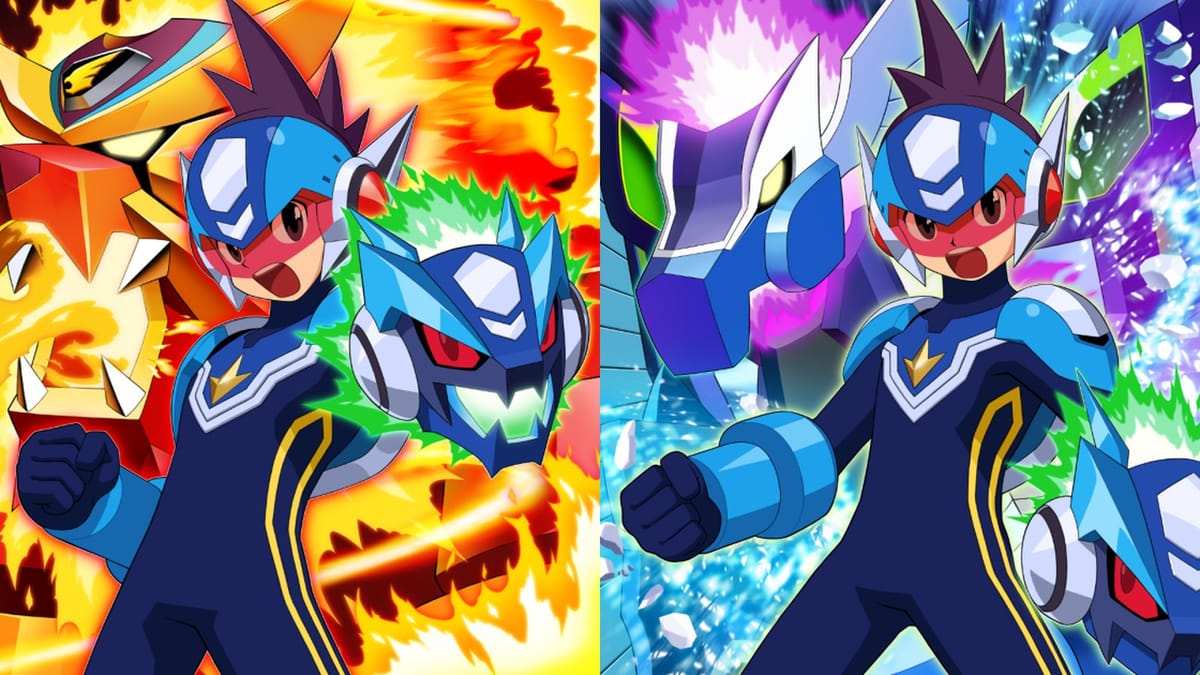
Capcom has released the Mega Man Star Force Legacy Collection for Nintendo Switch, PlayStation 4, PlayStation 5, PC, Xbox One, and Xbox Series X/S. The compilation gathers all three entries in the sci-fi action RPG series, which originally launched for the Nintendo DS between 2006 and 2008.
I am a huge Mega Man fan, but I am also completely terrible at playing Mega Man. I have not actually beaten a game in this franchise since Mega Man 3 on the NES. That does not stop me from buying every single collection Capcom puts out. The Star Force series is a direct spiritual successor to the Battle Network games. It trades the isometric grid for a behind-the-back perspective and keeps the deck-building combat mechanics intact. The games follow Geo Stelar and his alien partner Omega-Xis as they fight EM wave viruses.
Running on the Resident Evil engine
The developers rebuilt the Star Force games using the RE Engine. This is the same proprietary technology that powers Street Fighter 6 and the modern Resident Evil remakes. Capcom originally built the RE Engine for Resident Evil 7 in 2014 to modernize their development pipeline. Now they are using it to resurrect dual-screen handheld games from two decades ago.
This engine choice solves a very specific platform problem. When Capcom released the Mega Man Battle Network Legacy Collection in 2023, it skipped Xbox consoles entirely. The older engine Capcom used for that collection reportedly caused compatibility issues with Microsoft's platform. Because Star Force runs on the highly scalable RE Engine, Xbox players get native versions for both the Xbox One and Series X/S right alongside the PlayStation and Switch releases.
One screen instead of two
Moving a Nintendo DS game to a modern television requires some structural changes. The original hardware relied heavily on having a top screen for the main action and a bottom touch screen for selecting battle cards and navigating menus. Capcom had to adapt this dual-screen interface for single-screen gameplay.
Players can adjust the layout to fit their preferences. You can place the secondary screen information off to the side or resize the main gameplay window to fill more of your television. The collection also includes a toggleable smoothing filter to clean up the original 2006 pixel art for 4K displays.
The collection brings the original multiplayer features forward to modern networks. Players can trade battle cards with each other to build better decks. You can also jump into both casual and ranked matchmaking to battle other players online. The original games relied on local wireless and the now-defunct Nintendo Wi-Fi Connection, so having official servers running again is a huge plus.
I might actually finish this one
Capcom added several modern assist options to the package. The collection includes an auto-save function and allows players to adjust the random enemy encounter rate. Players who just want to explore the world without getting pulled into a random battle every five steps can turn the encounter rate down.
It also brings back the Buster MAX mode from the Battle Network collection. This toggle multiplies the damage output of Mega Man's standard buster shots. You can clear most standard virus encounters in seconds without even touching your battle cards.
That last option is exactly what I need. I fully intend to turn Buster MAX on immediately so I can blast through the story and pretend I am actually good at video games for the first time since 1990.

Comments ()