
Hamster’s Arcade Archives hits 500 titles with the release of Space Invaders
The prolific preservation series celebrates a major milestone by releasing the Taito classic that defined the shoot 'em up genre.
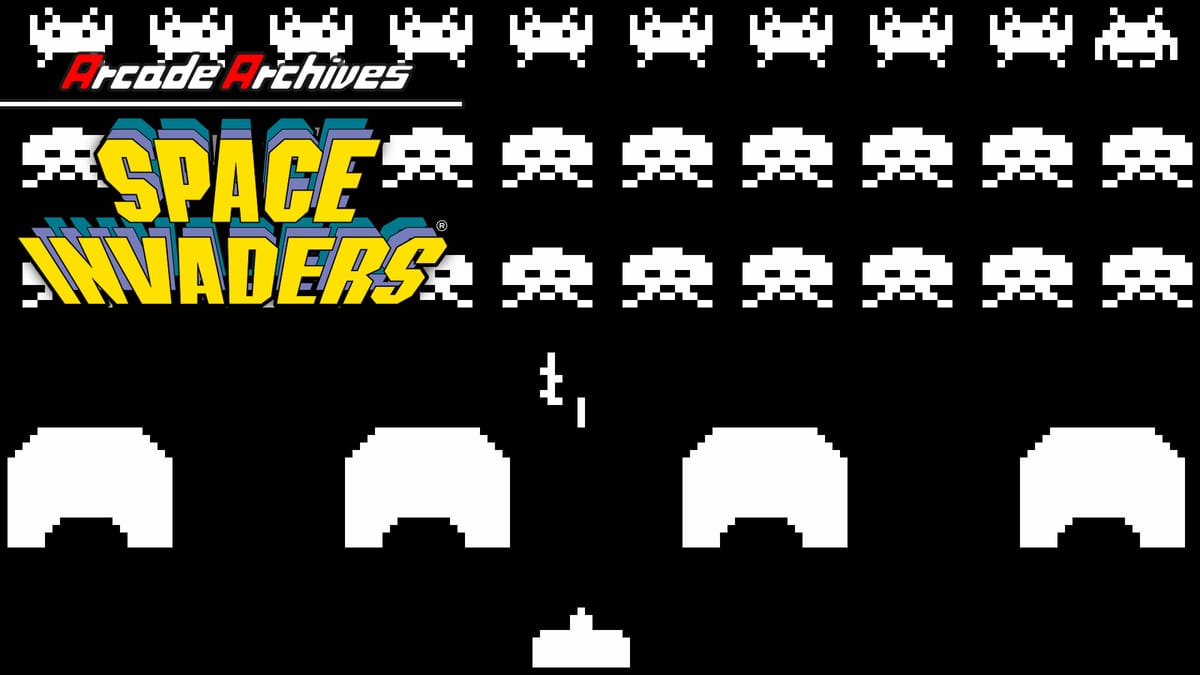
Hamster Corporation has officially released Space Invaders on modern consoles, marking the 500th entry in its prolific Arcade Archives preservation series. According to Xbox Wire, this milestone release includes multiple iterations of the 1978 Taito classic, bringing the game that arguably defined the arcade industry to the PlayStation 4 and Nintendo Switch ecosystems.
It is a fitting choice for a numeric milestone. If you are going to celebrate a library of 500 preserved titles, you might as well do it with the game that legends say caused a 100-yen coin shortage in Japan upon its original release. While that story is likely apocryphal, the impact of Taito's shooter is not.
The official trailer for the Arcade Archives release of Space Invaders.
The Relentless March of Hamster
For the uninitiated, the Arcade Archives project (often abbreviated as ACA) is an initiative launched by Hamster Corporation in 2014. Their goal was simple but exhausting: release faithful ports of arcade games on modern hardware with a consistency that puts most AAA live-service roadmaps to shame. They have largely succeeded.
Hamster actually holds a Guinness World Record for the "Most consecutive weeks to release a game on the Nintendo eShop," a streak that speaks to the company's industrial-grade commitment to preservation. While other publishers might release a sporadic collection every five years, Hamster treats arcade history like a weekly newspaper delivery. The series covers everything from the ubiquitous Metal Slug and The King of Fighters (under the ACA NEOGEO label) to obscure titles that barely saw distribution outside of Tokyo game centers in the 1980s.
What is in the Package?
This specific release is not just a single ROM dump. The Arcade Archives edition of Space Invaders includes three distinct variations:
- Space Invaders (Black and White): The original 1978 release.
- Space Invaders (Color): The later revision that used cellophane overlays or actual color hardware to brighten the experience.
- Space Invaders Part II: The sequel that introduced new mechanics like splitting aliens.
As is standard for the series, these ports include Hamster's suite of customization options. Players can adjust game settings such as difficulty and life count, mimicking the dip switches found on the original arcade PCBs. The release also features the signature "Caravan Mode," a five-minute score attack challenge that allows players to upload their high scores to global leaderboards.
The Technical Legacy
Understanding why Space Invaders matters requires looking at what was happening under the hood in 1978. Developed by Tomohiro Nishikado, the game was powered by an Intel 8080 microprocessor. This was a significant shift from the discrete logic circuits that powered earlier arcade machines like Pong. The hardware limitations actually dictated the gameplay; the aliens move faster as you kill them simply because the processor has fewer sprites to render, freeing up cycles. Nishikado liked the effect, so he kept it as a difficulty curve.
By bringing this to the Arcade Archives, Hamster ensures that this specific quirk of microprocessor history remains playable without requiring a $3,000 cabinet restoration project. The emulation wrapper used by Hamster is generally regarded for its accuracy, avoiding the input lag issues that plague cheaper compilation packs.
500 Weeks of History
Reaching 500 titles is a statistical anomaly in the volatile world of game licensing. Rights holders go bankrupt, source code is lost on floppy disks in flooded basements, and corporate mergers make ownership trails impossible to follow. For Hamster CEO Satoshi Hamada and his team to navigate the legal minefield for over a decade is arguably as impressive as the technical emulation work itself.
The library now serves as a functional museum. You can trace the evolution of Taito, Konami, Technos, and Nintendo arcade histories week by week. While not every one of the 500 games is a masterpiece—some are definitely quarters-eaters designed to punish children—they are all pieces of the foundation the modern industry sits upon.


Comments ()