
Glory of Heracles II is coming to Switch 2 and PS5
Hamster Corporation is bringing the classic 8-bit Famicom RPG to modern consoles, though you will need to know Japanese to actually read the text.
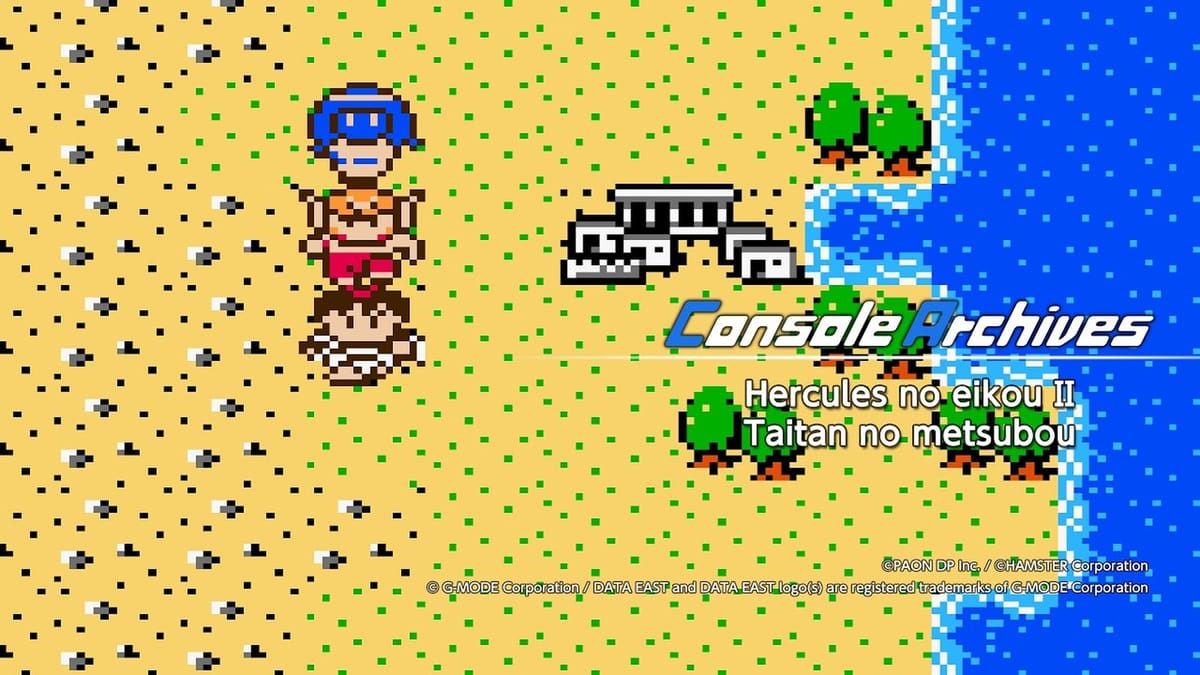
Hamster Corporation is bringing Data East's 1989 Famicom role-playing game Hercules no eikou II: Taitan no metsubou (Glory of Heracles II) to the Nintendo Switch 2 and PlayStation 5 on July 16. The game joins the publisher's Console Archives lineup, priced at $7.99.
A Greek mythology RPG
Released exclusively in Japan in December 1989, Glory of Heracles II arrived right in the middle of the 8-bit RPG boom. The game trades standard fantasy tropes for Greek mythology. Players assemble a party to travel the world, fight monsters, and eventually take on Cronos and the Titans.
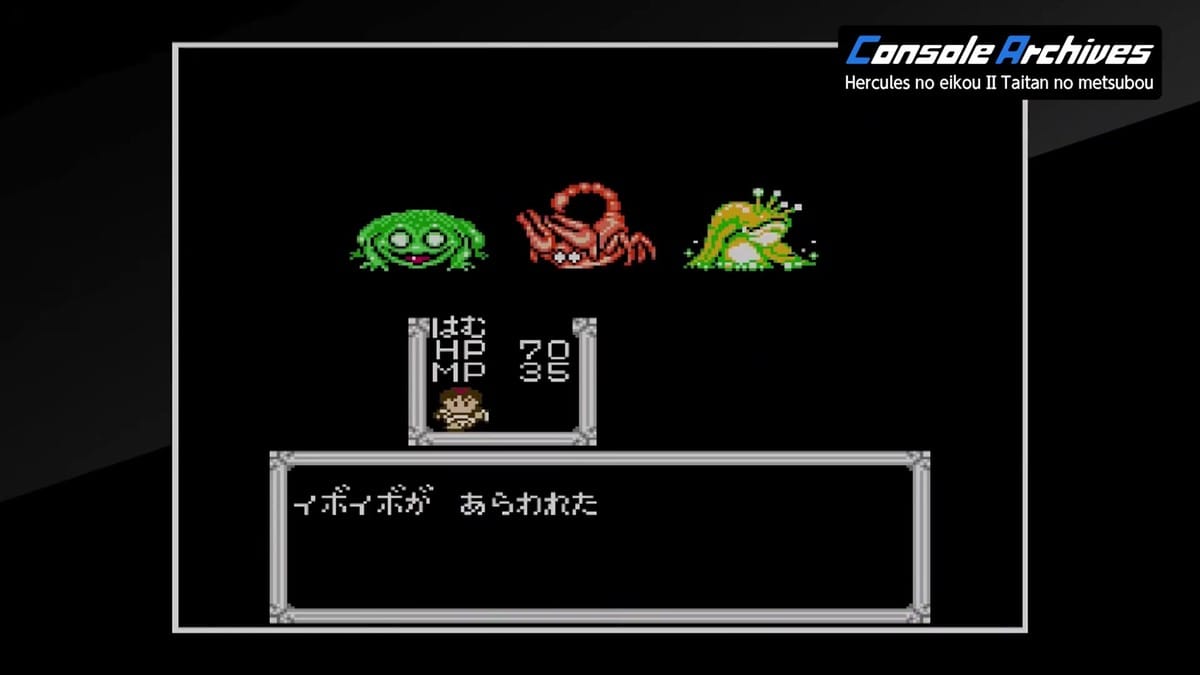
The original Glory of Heracles was a direct response to the first Dragon Quest. This sequel expanded the formula by adding a multi-character party system. This fixed one of the biggest complaints about its predecessor. The combat system relies heavily on elemental magic and managing resources during long dungeon crawls. Battles use a classic turn-based loop with a black background and static monster sprites.
Data East later brought on Kazushige Nojima to write the scenario for the third game in the series. Nojima would eventually go on to write the scenario for Final Fantasy VII.
The language barrier
There is a catch for English-speaking players. While the emulator's user interface and the digital manual are localized in English, the actual game ROM is untouched. The in-game text is entirely in Japanese.
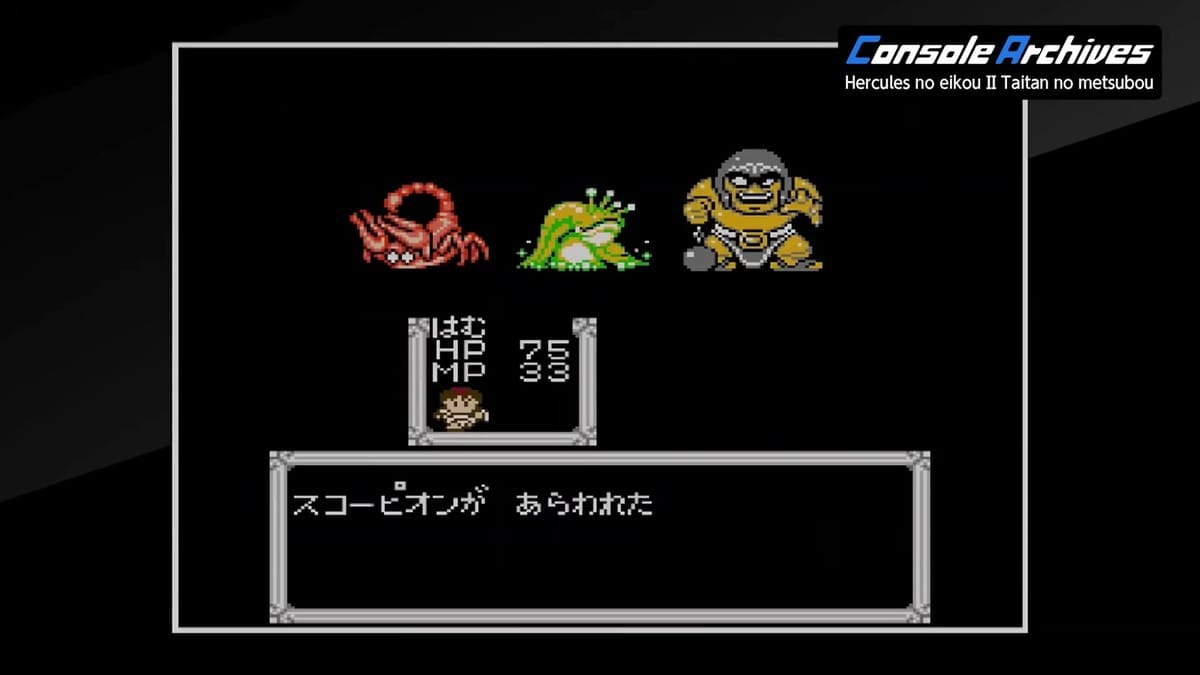
If you cannot read Japanese, navigating an 8-bit RPG from 1989 is a tall order. Mashing the action button through a wall of text and hoping the shopkeeper just sold you a healing potion instead of a cursed sword is a risky strategy. Anyone picking this up will likely need to rely on external translation guides to figure out where to go next. You could also just treat it as a very confusing roguelike.
Modern emulation tools
As part of the Console Archives series, the release wraps the original Famicom code in Hamster's standard emulation shell. This includes customizable button layouts, rapid-fire settings, and multiple save states. It also has a rewind function. That tool is basically mandatory for finishing older RPGs without losing your mind to random encounter spikes.
The emulator provides various screen layout adjustments and CRT filters to mimic the look of a late-80s television. The documentation is somewhere between 'incomplete' and 'optimistic' when it comes to matching specific tube types, but the scanlines look decent enough in motion.
The Glory of Heracles series eventually made its way West decades later on the Nintendo DS, but the early Famicom entries never got official English ports. Hamster handling the re-release makes sense, as the company has built an entire business model around rescuing stranded code. G-MODE and PAON DP are also involved in the modern release. This reflects the complex chain of ownership that happens when a publisher like Data East goes bankrupt. Clearing these licensing hurdles just to put an untranslated 1989 RPG on modern storefronts is an impressive amount of legal paperwork.

Comments ()