
Game Boy games are getting turned into native PC apps
A new static recompiler translates original Game Boy Z80 assembly directly into C code, letting games run natively on modern operating systems.
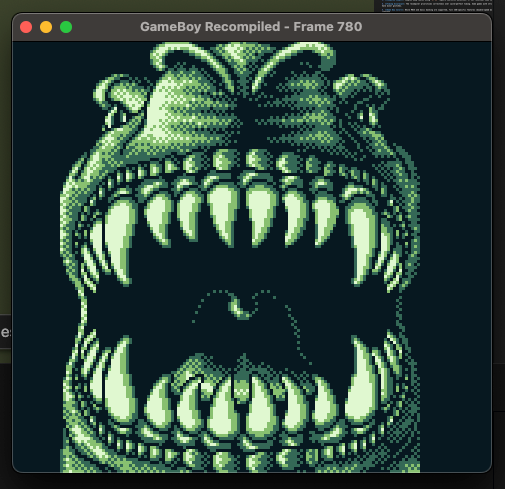
Developer Brandon G. Neri has released the source code for gb-recompiled, a tool that translates Game Boy ROMs directly into native C code. The project went public on January 12, 2026, and provides a new way to play classic handheld games on Windows, macOS, and Linux. And I forgot to write about it! So here we are.
Unlike a traditional emulator, gb-recompiled is a static recompiler. It reads the original Z80 assembly instructions from a Game Boy cartridge file and converts them into portable C code. You can then compile that C code into a standalone executable. The resulting application runs natively on your computer hardware. This completely bypasses the need for an emulator sandbox.
It already processes 1,609 games
Neri, who goes by arcanite24 on GitHub, previously built a similar toolchain for CHIP-8 games. The Game Boy hardware is much more complex to translate. According to the project's documentation, the tool successfully recompiles 98.9 percent of a 1,609-game test batch. The software handles different memory bank controllers and includes built-in debugging tools.
That high success rate does not mean every game is fully playable right now. Many titles boot but suffer from visual glitches or crash during gameplay. The software uses a hybrid approach to handle tricky edge cases. If a game uses self-modifying code or jumps to an unanalyzed memory address, the program temporarily falls back to a lightweight interpreter to keep the game running. Once the execution returns to a known ROM address, it switches back to the high-performance compiled code.
Adding widescreen to an 8-bit game
I absolutely love projects like this. We recently saw the Nintendo 64 scene explode with Wiseguy's N64Recomp tool, which led to flawless native PC ports of games like Majora's Mask. People often ask about similar static recompilers for the Dreamcast or PlayStation 2. Getting this technology working on an 8-bit handheld from 1989 is just as fascinating.
Traditional Game Boy emulation is already incredibly accurate and runs on basically any hardware. The real appeal of a static recompiler is what you can do with the native code afterward. Once a game is converted into C, developers can easily hook into the engine to add widescreen support, uncapped framerates, or native online multiplayer. You could theoretically inject modern lighting, replace the original audio tracks, or swap in high-resolution assets directly into the game logic.
Tracing the ground truth
The recompilation process relies heavily on static control flow analysis. The tool discovers reachable code starting from the game's entry points and tracks bank switches to follow cross-bank jumps. For complex games like Pokémon Blue, static analysis is not always enough. Neri built a Ground Truth Capturer into the toolset. This utility uses the PyBoy emulator to generate an execution trace of a real gameplay session. The recompiler then uses that trace data to discover hidden code paths.
The project is completely free and open source.
It will take time before this replaces your standard emulator setup. It is a massive undertaking, but the foundation is now publicly available.


Comments ()