
Gary Stern on the 40-year history of Stern Pinball
The founder of the world's largest pinball manufacturer explains how the company survived the arcade crash using an Atari 2600 and a misspelled logo.

Stern Pinball has released a new documentary celebrating the company's 40th anniversary. Founder Gary Stern and current leadership sit down to explain how the manufacturer survived the collapse of the arcade industry and evolved into the massive operation it is today.
The story of the world's largest pinball manufacturer does not start in a massive factory. It starts in the garden level of Gary Stern's townhouse in 1986. Armed with an Atari 2600 computer and a Japanese investor, Stern and his co-founders drafted a business plan just to keep themselves employed.
Misspelled logos and propane heaters
The early days of the company were messy. Operating originally under the name Data East Pinball, the team worked out of two rooms in a Chicago office building. They took turns fetching gas for a propane heater to keep the space warm and carried out their own garbage every night.
To convince buyers they were an American company despite the Data East backing, they designed a logo with a map of the United States and a flag planted in it. The text proudly declared them the "pinball capital of the world." There was just one problem.
"We misspelled capital," Stern says. "Because we were a Japanese company then. We just misspelled Data East."
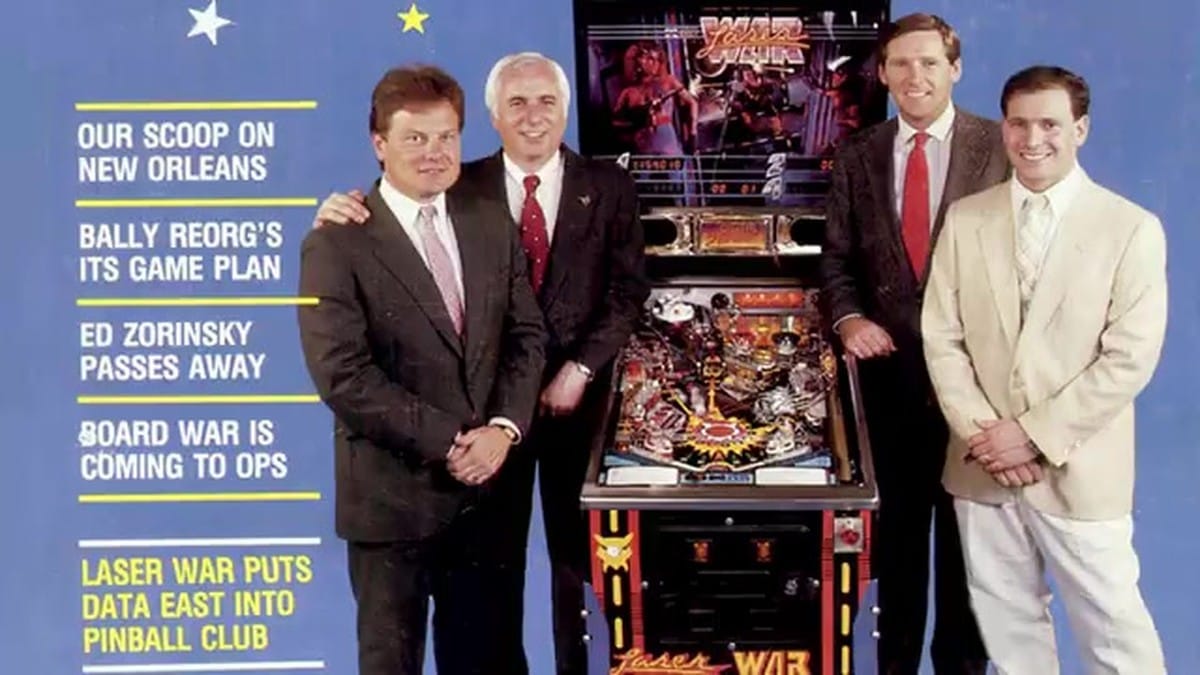
The company eventually transitioned from Data East to Sega Pinball in 1994. Stern's group bought the business in 1999 and renamed it Stern Pinball. They are the only major manufacturer from that era still standing today.
"Someone said, 'Why do you need another pinball company?'" Stern recalls. "Well, we must have needed it because Bally's gone, Williams is gone, Gottlieb's gone. We're here."
Handing over the reins
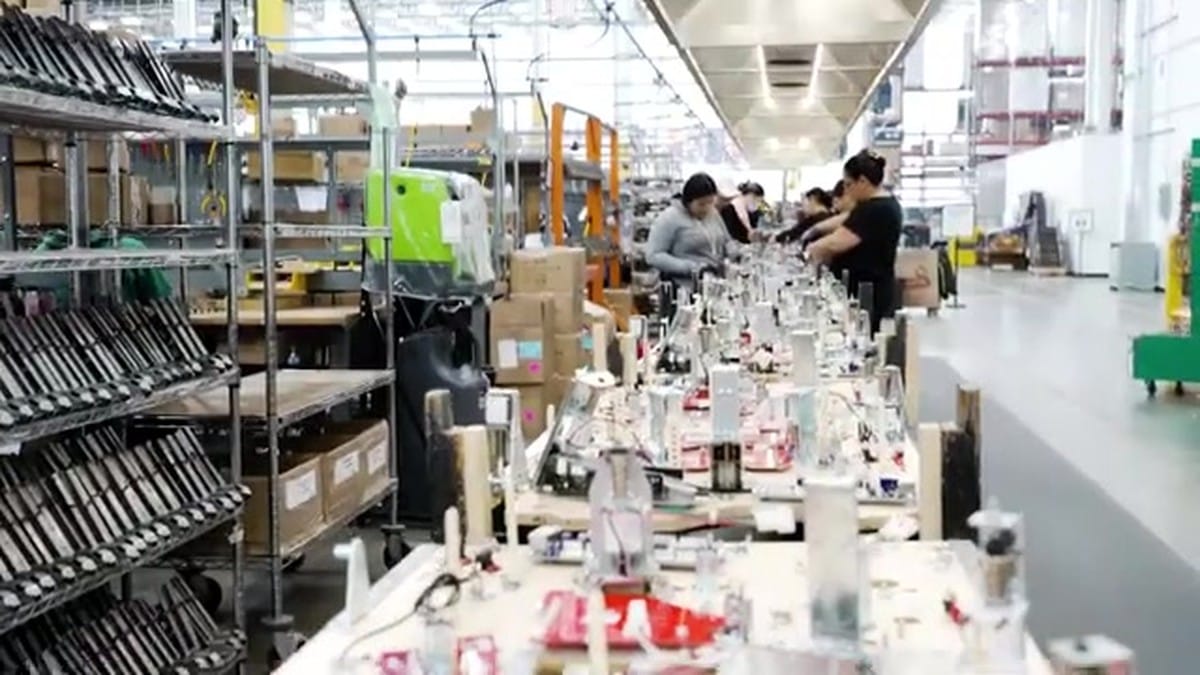
As the company grew into its current 225,000-square-foot facility, Stern realized the old way of doing business was not going to scale. The recession in 2008 almost wiped them out before Dave Peterson joined as a partner to help rethink their strategy.
"You really can't grow this company and finance it with a 72-year-old CEO," Stern says. That realization led to the hiring of Seth Davis as the new chief executive officer. Davis previously spent over a decade at Disney working in games and streaming. His background in modern gaming and pop culture aligns with how the company now approaches machine design.
Chief Creative Officer George Gomez notes that modern pinball has to appeal to people who grew up playing video games. The physical ball and flippers remain the core attraction. Everything else has changed.
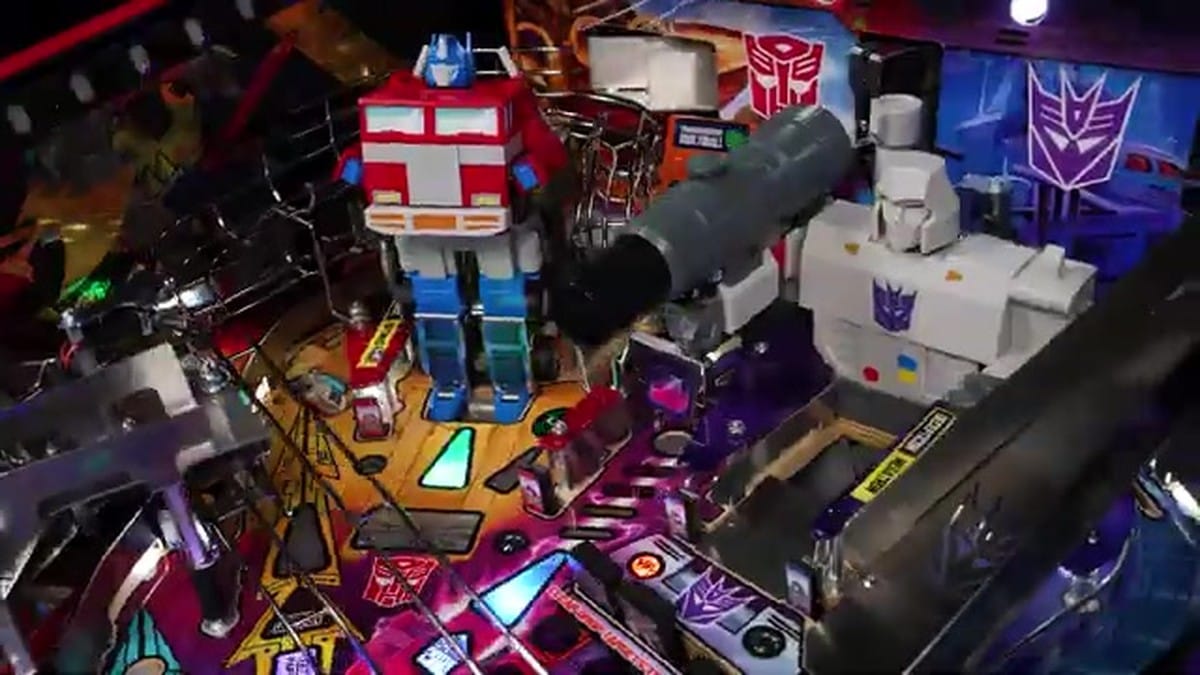
Modern machines have deep rule sets and complex game theory baked into their software. The casual player can still just hit the ball and watch the lights flash. The dedicated player gets a sophisticated rules engine hiding under the glass.
Connected cabinets
The biggest shift in the company's modern era is the introduction of Insider Connected. The platform links physical pinball machines to a digital network. Players can track scores, earn achievements, and participate in global leaderboards using a smartphone app. The system even includes a map to help players locate specific connected machines in public venues.
"Without connectivity, 10 years from now, 5 years from now, it's going to be a box on four legs," Stern says.
The connected ecosystem also serves the business side. The system allows arcade operators to monitor machine health remotely and track coin drops. Home owners get the benefit of updating their game code directly over Wi-Fi instead of using USB drives.
It is a long way from drafting business plans on an Atari 2600. The company that started because a few guys just needed a job is now shipping connected hardware all over the world.


Comments ()