
Forgotten Worlds #9 is a 100-page magazine all about the TurboGrafx-16
Australian retro gaming magazine Forgotten Worlds devotes its ninth issue to NEC and Hudson Soft's 1989 console, though the 300-copy print run sold out fast.
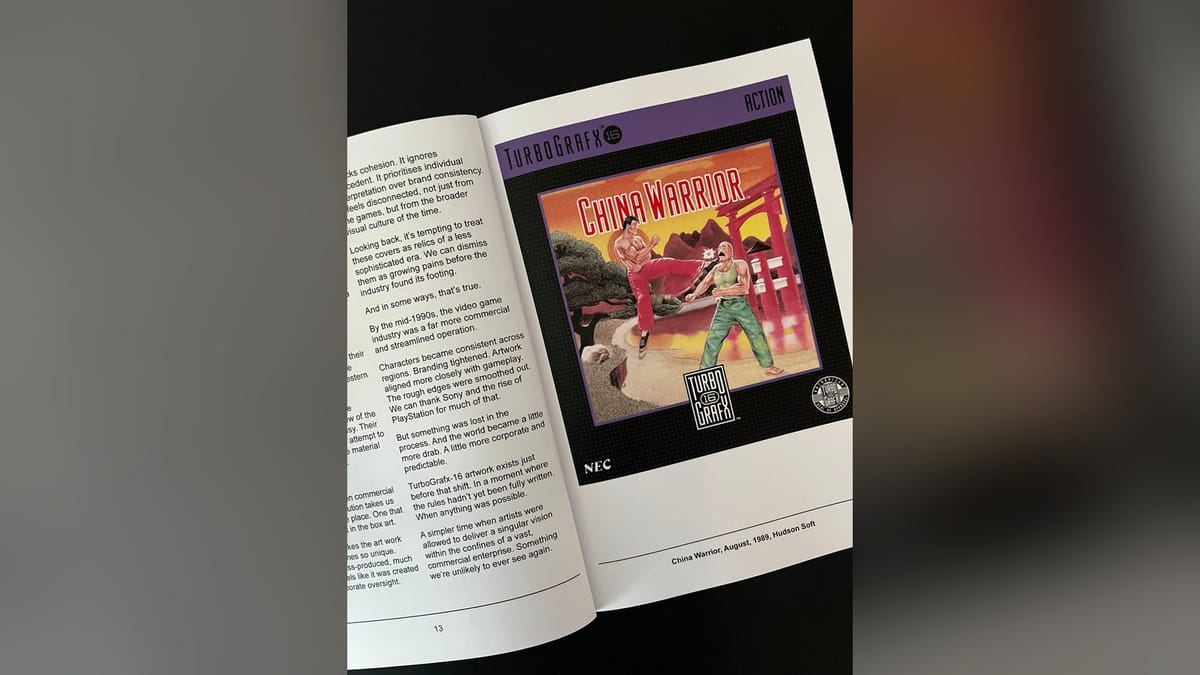
Australian retro gaming magazine Forgotten Worlds has released its ninth issue, a full-color retrospective of over 100 pages dedicated entirely to the TurboGrafx-16. Priced at $25.00 AUD (around $16.50 USD) and bundled with two bonus postcards, the strictly limited run of 300 physical copies opened for orders on November 7 and is already listed as sold out on the magazine's online store.
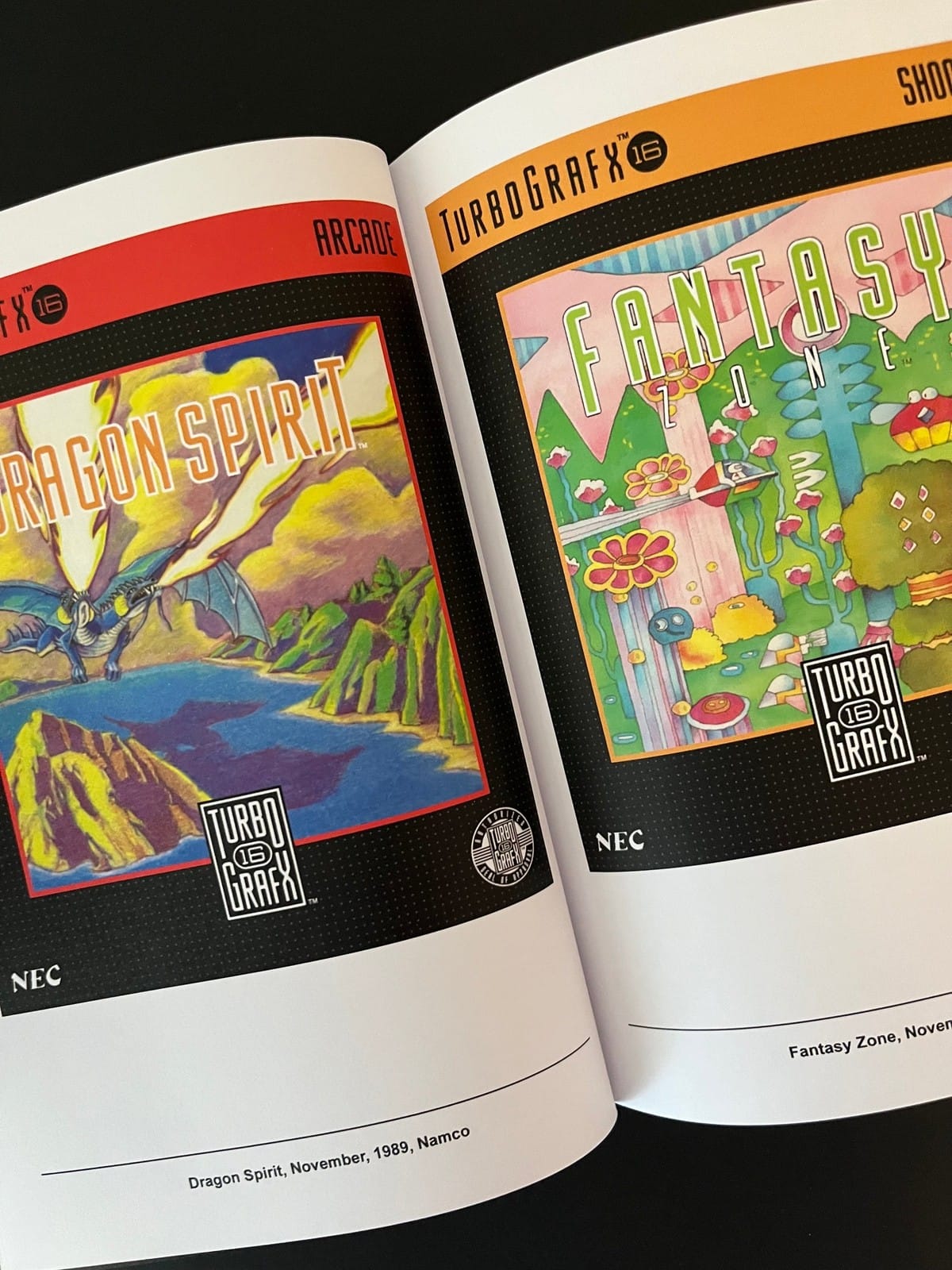
While the publication usually focuses on the history of old video game magazines, this edition widens its scope to cover the games, print periodicals, and marketing campaigns that shaped NEC and Hudson Soft's console in the West. The advertising and bafflingly terrible North American box art are half the story of why the system struggled outside Japan.
Why the PC Engine lost in America
The hardware originally launched in Japan on October 30, 1987, as the PC Engine, a tiny white box built through a partnership where Hudson Soft designed the custom graphics chips and electronics giant NEC handled manufacturing. Pairing an 8-bit CPU with a dual 16-bit graphics processor and loading games off credit-card-sized HuCards, it beat Sega's Mega Drive and Nintendo's Super Famicom to market and became a massive domestic hit. Then NEC USA got hold of it.
By the time the console reached North America in August 1989 as the $199.99 TurboGrafx-16, it had been shoved into a plastic shell roughly the size of a VCR to appeal to American tastes. It walked straight into a buzzsaw of aggressive Sega Genesis marketing, limited third-party support, and shaky distribution from NEC USA (and later the joint venture Turbo Technologies Inc.), leaving a machine with great arcade ports like R-Type, Blazing Lazers, and Alien Crush as a distant third-place contender.
Talking to the people who were there
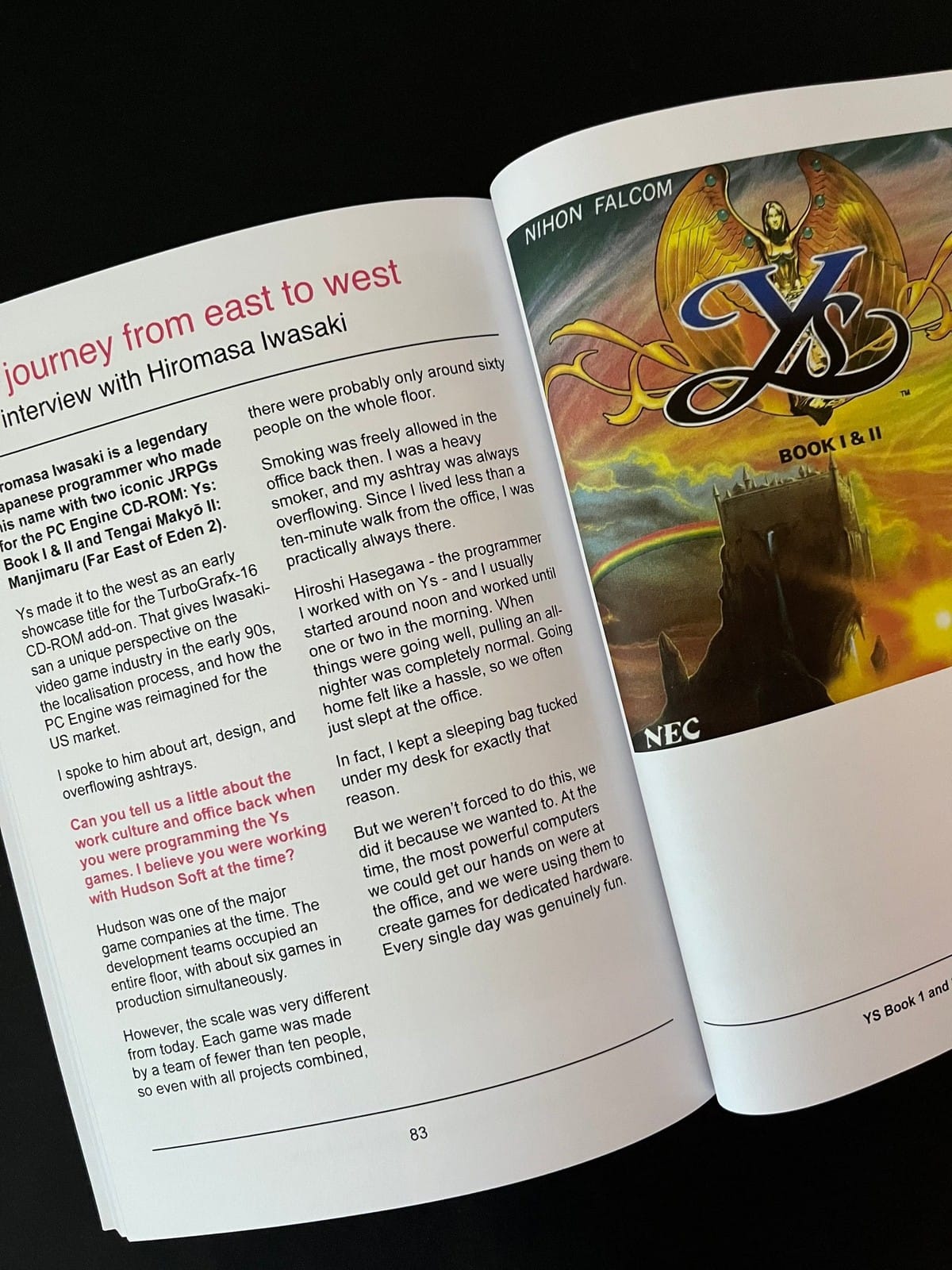
To get to the bottom of what went wrong, and what Hudson Soft in Japan made of NEC's American missteps, the issue includes interviews with people who worked on both sides of the Pacific. On the western side is John Podlasek, a former marketing and software development manager at NEC Technologies USA who oversaw publisher relations and the localization pipeline during the late 1980s and early 1990s.
Representing the Japanese development side is veteran programmer and director Hiromasa Iwasaki, who later worked as an adviser on Konami's 2020 TurboGrafx-16 Mini console. In 1989, Iwasaki spearheaded the PC Engine CD-ROM² conversion of Nihon Falcom's action RPGs, released in the West as Ys Book I & II.
That compilation did more to sell the promise of CD-ROM gaming in 1989 than any marketing department could manage. While rival systems were still years away from disc add-ons, Iwasaki's team packed the disc with Red Book CD audio and voiced animated cutscenes, turning Falcom's 1987 computer games into the system's showpiece.
Because the initial 300-copy print run disappeared almost immediately after going live, tracking one down now means hoping for a restock or watching the aftermarket. Locking primary-source interviews with NEC and Hudson veterans behind a 300-copy ceiling feels a little too authentic to the original TurboGrafx-16 distribution experience.
Comments ()