
Falcom Announces Kyoto Xanadu for 2026, Confirms Cross-Gen Release on Switch 2
Nihon Falcom's newest action RPG brings the Xanadu series to modern Kyoto, featuring a mix of 2D and 3D gameplay on PlayStation 5, PC, and Nintendo's next console.
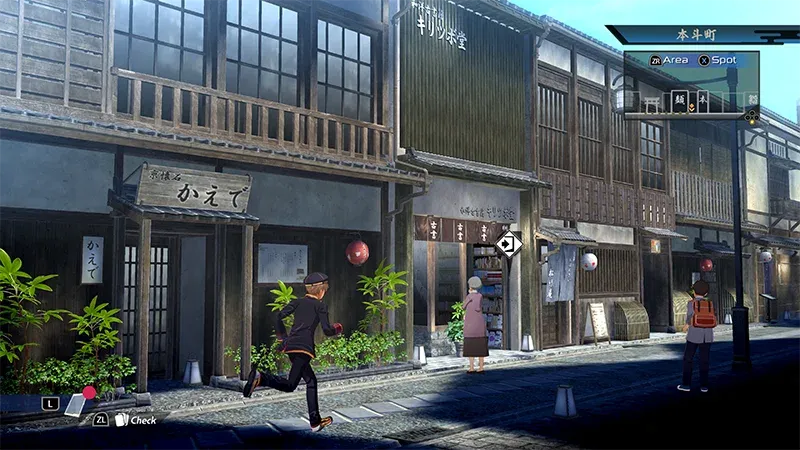
Nihon Falcom has officially unveiled Kyoto Xanadu -Ouka Genbu-, a new action RPG scheduled for release in Summer 2026 on PlayStation 5, Steam, and the Nintendo Switch 2. According to the announcement from Falcom, the title will also support the original Nintendo Switch, ensuring the nine-year-old hybrid console continues to receive support well into its twilight years.
The game serves as a spiritual successor to 2015's Tokyo Xanadu, shifting the setting from the current capital to a fictionalized version of Kyoto. In this timeline, Kyoto serves as the capital of modern Japan, providing a backdrop for what Falcom describes as a "juvenile" narrative centering on high school students awakening to supernatural abilities.
The Return of the Side-Scroller
While the narrative setup sounds familiar to anyone who has played a Persona game in the last decade, the gameplay mechanics hint at a return to the franchise's roots. Falcom explicitly mentions a "2D/3D battle" system within the "Hirasaka Great Labyrinth."
This is a significant departure from Tokyo Xanadu, which was a fully 3D action game built on the engine used for The Legend of Heroes: Trails of Cold Steel. The reintroduction of 2D action elements appears to be a deliberate nod to the original Xanadu from 1985. That title, explicitly marketed as Dragon Slayer II, combined top-down exploration with side-scrolling combat. It was a massive success in Japan, selling over 400,000 copies on PC platforms like the PC-8801, a staggering number for the mid-80s domestic PC market.
The screenshots provided by Falcom show the protagonist, Rei Kamiya, navigating both lush 3D environments in Kyoto and what appear to be stylized combat sections. The loop remains consistent with Falcom's modern formula: balance school life parameters and social stats during the day, then dive into the "Xanadu" otherworld to fight monsters by night.
A History of Longevity
The platform list for Kyoto Xanadu tells its own story about Nihon Falcom's development philosophy. Founded in 1981, the company is one of the oldest active RPG developers in the world, predating Square, Enix, and Bethesda. They have survived this long by being incredibly conservative with technology and maximizing their audience reach.
Releasing a new title on the original Nintendo Switch in the summer of 2026 is a testament to that strategy. By that point, the original Switch hardware will be entering its tenth year on the market. While other developers are likely to abandon the aging Tegra X1 chipset in favor of the Switch 2's superior specs, Falcom is choosing to straddle the generation gap. This ensures that the massive install base of the original hardware isn't left behind, even if the performance on the older handheld might struggle to keep up with the PS5 and PC versions.
The Xanadu Legacy
For those who only know Falcom through the Ys or Trails series, the Xanadu name might seem like a generic fantasy title. However, it occupies a strange and experimental corner of the company's history. Faxanadu on the NES is perhaps the most famous western entry, a side-scrolling spin-off that many played without realizing it was part of a larger PC lineage.
Later entries like 2005's Xanadu Next on the N-Gage (yes, really) and PC experimented with slower, more deliberate combat and atmospheric storytelling that predated the Dark Souls boom. Kyoto Xanadu seems to be aiming for a middle ground—blending the fast-paced, anime-styled action of modern Falcom games with the dimension-hopping quirks of the series' past.
We will have to wait until Summer 2026 to see if the blend of 2D and 3D action holds up, or if the Switch 1 version runs at more than 20 frames per second.


Comments ()