
Escape from Ever After brings bureaucratic nightmares to the Paper Mario formula
Hypetrain Digital's upcoming RPG blends timing-based combat with a satirical take on fairytale capitalism.
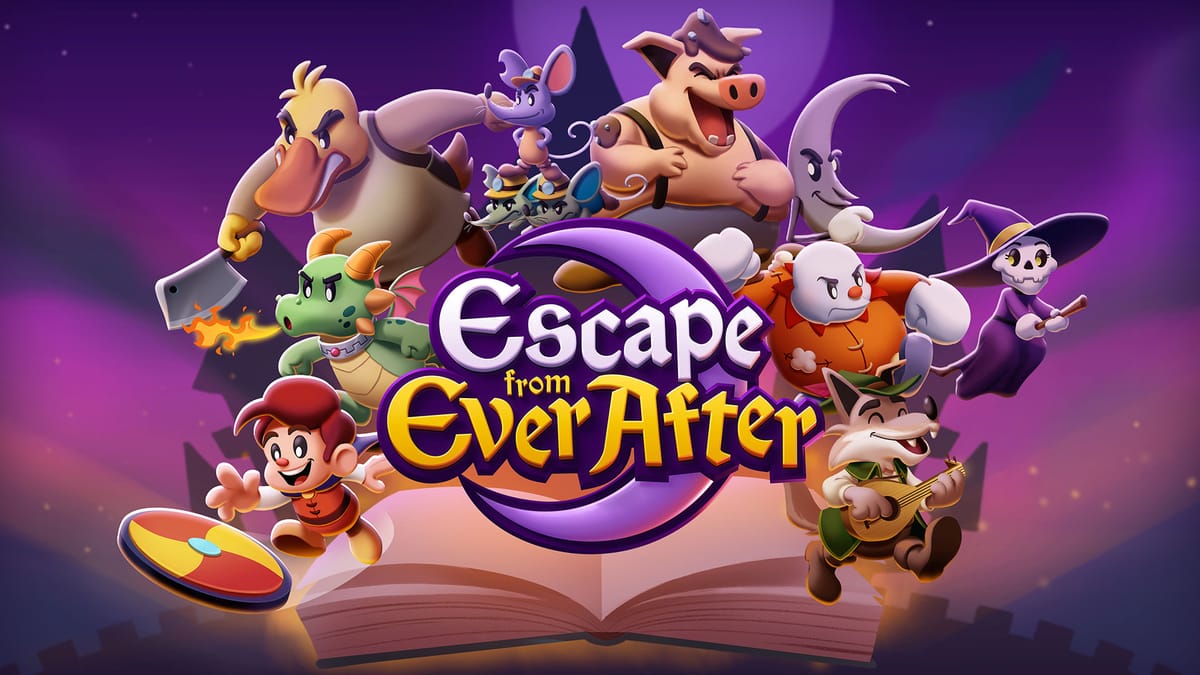
Publisher Hypetrain Digital has released new details regarding Escape from Ever After, a turn-based RPG launching on Xbox consoles that reimagines classic fairytale characters as disgruntled office workers. As detailed in a post on Xbox Wire, the title is part of the ID@Xbox program and aims to merge the mechanical depth of mid-2000s console RPGs with a satirical critique of corporate culture.
The premise centers on a protagonist named Flynt who finds himself trapped not in a magical kingdom, but in the cubicles of Ever After Inc. The game posits that the "happily ever after" promised in storybooks is actually a corporate construct managed by underpaid fantasy creatures. It is a setting that trades dragons for deadlines and magic wands for middle management.
The Mechanics of Employment
While the narrative focuses on office satire, the gameplay loop draws direct inspiration from the Paper Mario lineage of role-playing games. The game utilizes a 2.5D aesthetic where two-dimensional characters navigate three-dimensional environments, a visual style that has seen a resurgence in the indie space over the last five years.
More importantly for genre enthusiasts, the combat system relies on "timing-based action commands." For those who haven't touched a Nintendo console since the GameCube era, this means combat is not passive. Players cannot simply select "Attack" and wait for the animation to play out. Instead, they must press buttons in synchronization with on-screen prompts to maximize damage or mitigate incoming attacks.
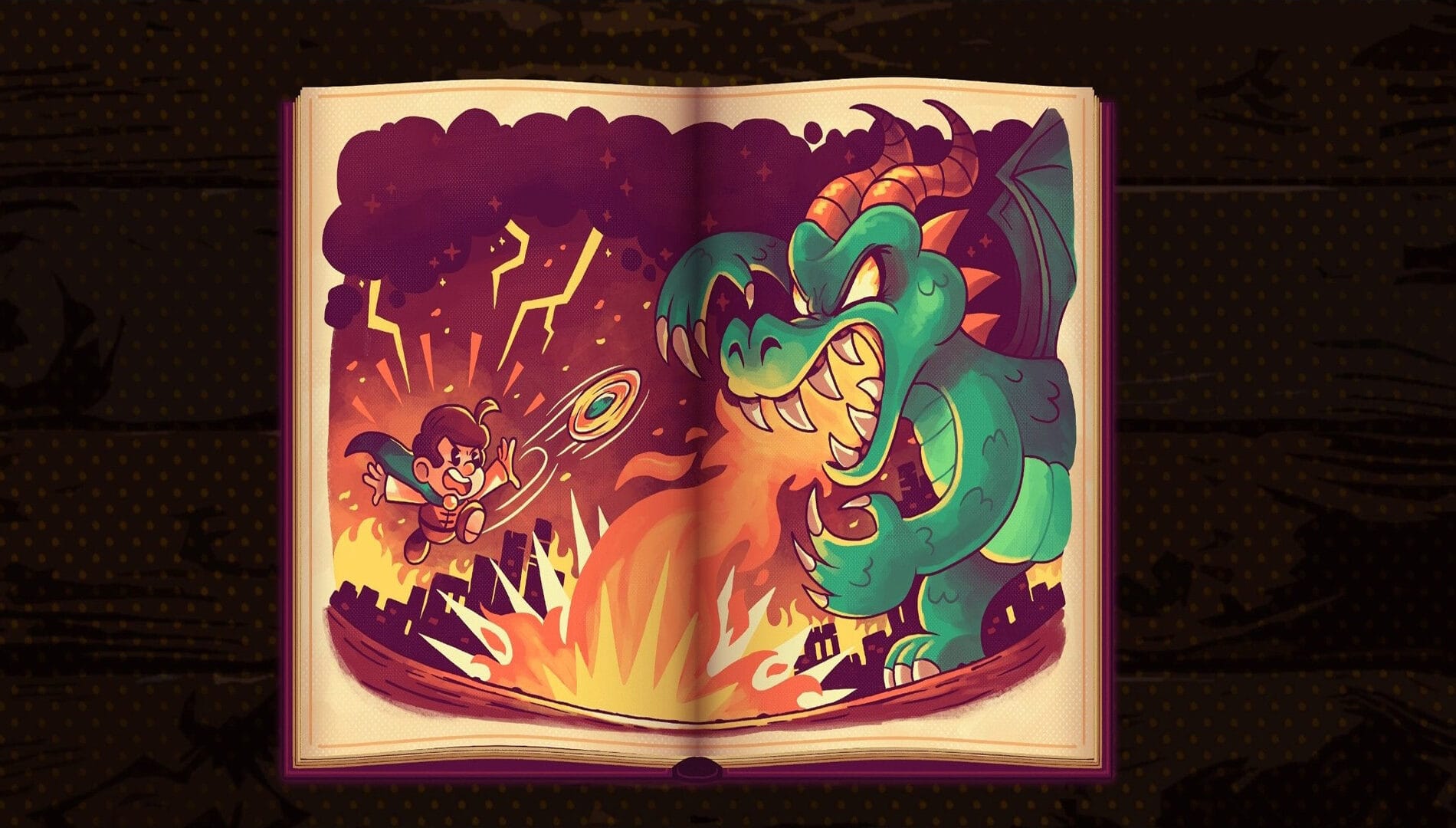
This mechanic was pioneered by Super Mario RPG on the SNES and refined by Intelligent Systems in the original Paper Mario (2000) and its sequel, The Thousand-Year Door. It solves the primary complaint regarding turn-based combat (boredom) by demanding player engagement during every second of the battle. Escape from Ever After appears to be adopting this system wholesale, which is likely a wise move given the scarcity of official titles using this specific framework.
The Rise of the "Paper-like"
Escape from Ever After arrives during a fascinating period for this specific sub-genre. For nearly a decade, Nintendo moved the Paper Mario series away from its RPG roots toward action-adventure puzzle mechanics, leaving a void that indie developers have rushed to fill. Titles like Bug Fables: The Everlasting Sapling and Born of Bread proved there was still a commercially viable market for the classic formula.
However, where those games often stayed close to traditional fantasy tropes, Escape from Ever After is pivoting toward modern satire. The "corporate hell" setting has become its own micro-genre recently, with games like Going Under and The Company Man exploring similar themes. Combining this narrative framing with the cozy, tactile aesthetic of a storybook RPG creates a dissonance that Hypetrain Digital seems to be banking on.
Platform and Publishing
The game is being highlighted through ID@Xbox, Microsoft's independent developer program launched in 2013. The initiative was designed to lower the barrier to entry for smaller studios on console hardware, a necessity after the restrictive policies of the Xbox 360 era. Over the last decade, the program has been the primary pipeline for bringing titles like Cuphead and Tunic to the platform.
Hypetrain Digital, the publisher behind the title, has built a catalog focused on high-concept indie games. Their involvement usually signals a certain level of polish in the visual department, and the assets shown for Escape from Ever After suggest this holds true here. The juxtaposition of bright, colorful storybook art with the drab, soul-crushing reality of office furniture is executed with a clear artistic vision.



Comments ()