
DOSBox-X 2026.10.01 adds S3 ViRGE and AWE32 support
The October 2026 update for DOSBox-X brings new 3D acceleration, expanded sound card emulation, and better stability for Windows 95.
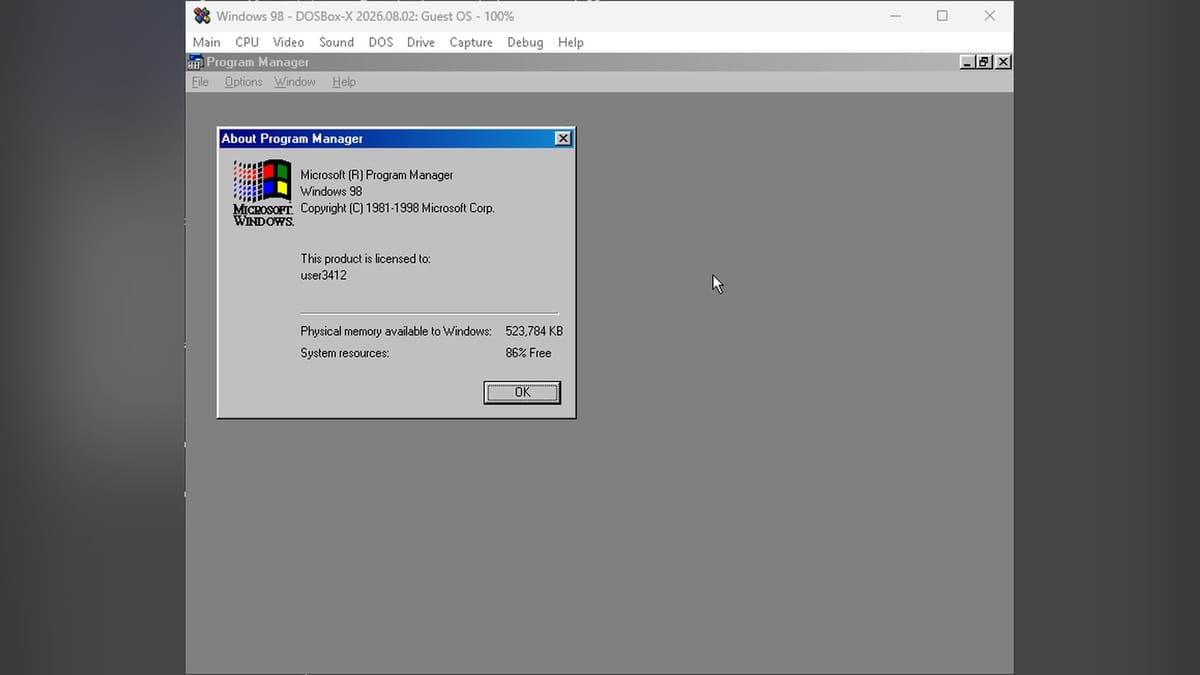
Developer Jon Campbell has released version 2026.10.01 of DOSBox-X, bringing new 3D acceleration and expanded sound card emulation to the open-source project. The October update is available now for PC, Linux, macOS, and DOS.
DOSBox-X began in 2011 as a fork of the original DOSBox. The standard emulator focuses on getting classic DOS games running smoothly. Campbell's project doesn't stop there. It targets strict hardware accuracy, emulating early Windows environments (from 1.0 through 98) and the Japanese NEC PC-98 architecture.
Expanded audio hardware
According to the release notes, this month's release adds support for several niche sound cards. The developer says the emulator now handles the Gravis Ultrasound Max, building on the newly added Crystal CS4231 codec, which also enables Windows Sound System compatibility. Support for the Pro Audio Spectrum line (including the Plus and 16 models) is also listed.
The Pro Audio Spectrum was a major competitor to the Sound Blaster in the early 1990s. It offered dual OPL3 chips for stereo FM synthesis. It sounded great. For games relying on EMU8K synth routines, the update reportedly includes Sound Blaster AWE32 emulation derived from the 86Box project.
S3 ViRGE and Windows 95
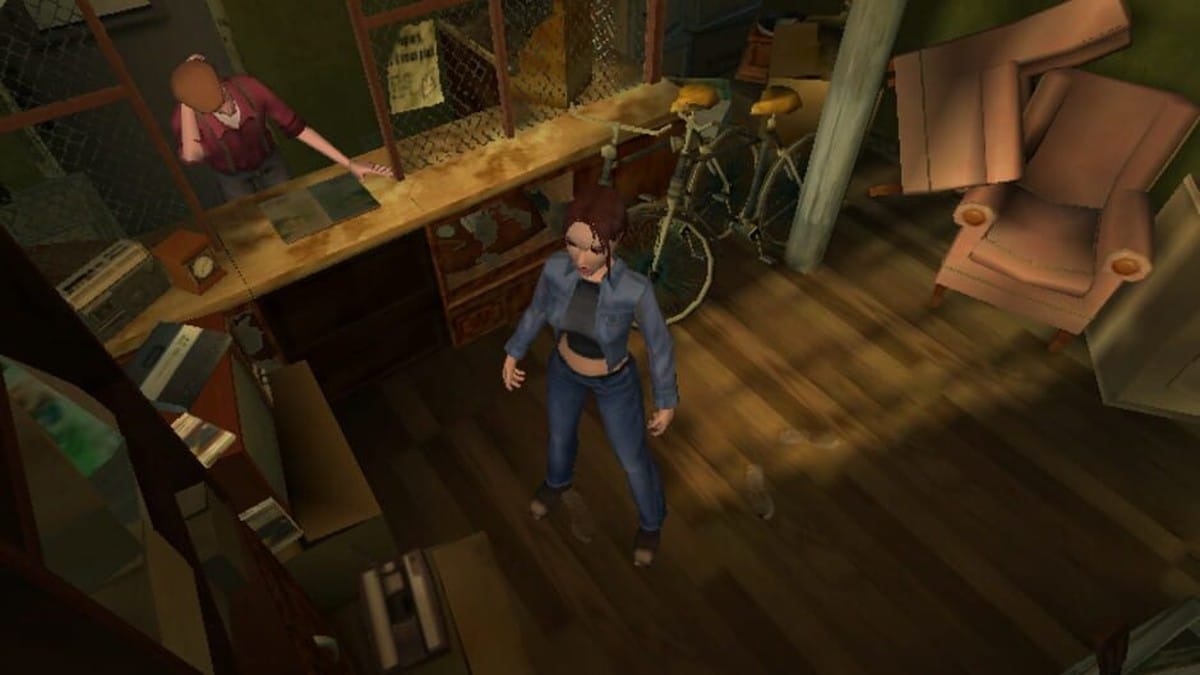
The announcement states that the update adds 3D acceleration for the S3 ViRGE graphics chipset. The ViRGE was one of the earliest 3D accelerator cards for PCs. It struggled to outperform software rendering on fast CPUs in its day, but early 3D titles like Tomb Raider and MechWarrior 2 supported its proprietary API. Emulating it allows those specific hardware-accelerated versions to run accurately.
The developer reports that the update also unifies the x87 floating-point unit (FPU) engines. The dynamic core now passes all FPU and MMX opcodes to the normal core by default. According to the release details, it is a change that ensures the FPU exception handling required for Windows 95 task switching works correctly. If this slows down older DOS games that don't multitask, a configuration switch can revert the behavior.
CPU fixes and Linux packages
The update addresses how the emulator handles the LOCK prefix across its normal, full, and dynamic CPU cores. The prefix now correctly applies to the following instruction rather than executing as a standalone no-op. On emulated 80186 processors and newer, it will raise an exception if placed before an instruction where a lock is illegal. The release notes state that the dynamic cores also gained support for Pentium Pro x87 instructions like FCMOVcc and FCOMI.
For Linux users, the project reports two new experimental distribution methods: pre-compiled .deb packages for Ubuntu (22.04, 24.04, and 26.04) and AppImage support for x64 systems.
Under the hood, the release notes state that the programmable interval timer (PIT) emulation received several fixes. The developer says the update prevents float-to-unsigned saturation on ARM architectures and fixes the gate pause delay calculation. It also corrects virtual hard disk (VHD) geometry detection by properly decoding the partition start cylinder from the master boot record. The IDE controller emulation now handles CHS cylinder carry correctly, and Voodoo graphics emulation received a fix for OpenGL texture cache invalidation.

Comments ()