
Jotego's CPS3 FPGA core is running games
The long-awaited MiSTer FPGA core for Capcom's final 2D arcade board is now booting Red Earth and Street Fighter III.
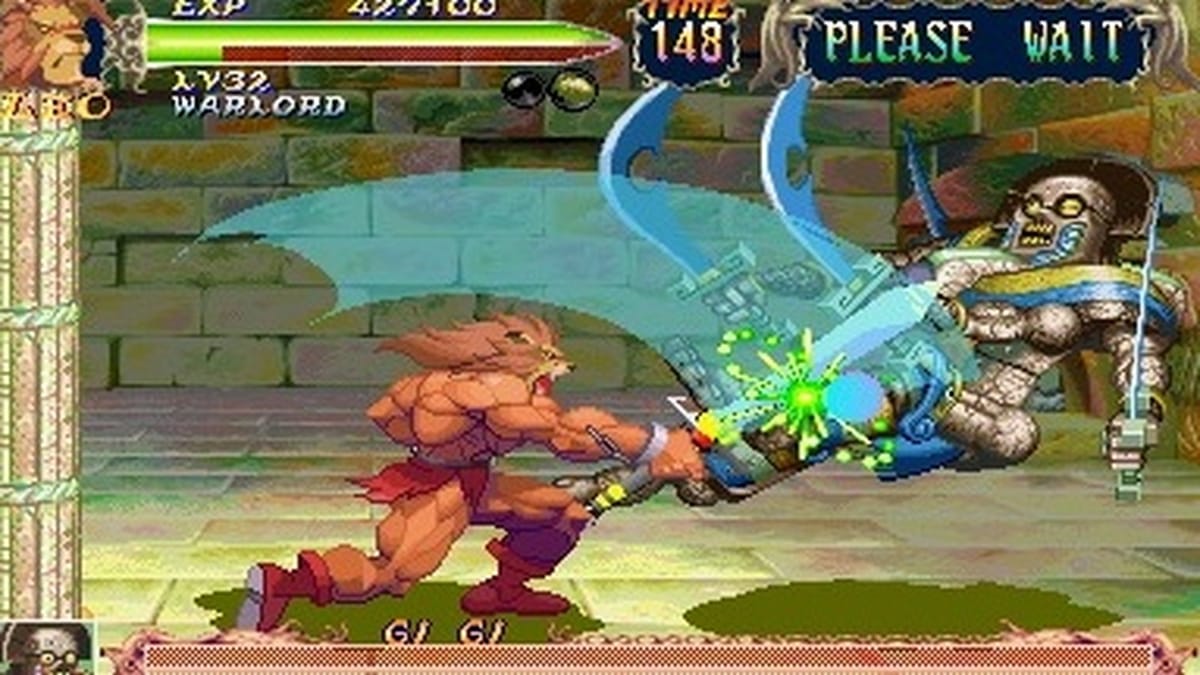
FPGA developer Jotego has confirmed his Capcom Play System 3 (CPS3) core is now successfully booting and running games. The JTCPS3 core is currently functional with ROM sets for Red Earth and the original Street Fighter III: New Generation.
The core is not quite ready for a public beta. Jotego noted there is still plenty of trivial and non-trivial polish required. Because the development cycle has taken a while, he might release an alpha version to supporters first.
Six games, one fragile battery
Capcom only released six games for the CPS3 hardware between 1996 and 1999. The system launched with the fantasy fighting game Red Earth (known as Warzard in Japan). It is an unusual arcade title. It blends traditional fighting game mechanics with RPG elements, a password system, and a focus on boss battles instead of a standard arcade ladder.
The rest of the library consists entirely of fighting games. Capcom released three iterations of Street Fighter III: New Generation, 2nd Impact, and the tournament staple 3rd Strike. They rounded out the hardware's lifespan with two JoJo's Bizarre Adventure titles: JoJo's Venture and Heritage for the Future. 3rd Strike alone justifies the effort of building this core. It remains one of the most mechanically deep fighting games ever made, and having a hardware-accurate way to play it at home is a huge win for the community.
The CD-ROM and the suicide cart
It is a tiny library, but the hardware itself is a 2D powerhouse. Capcom built the CPS3 around a Hitachi SH-2 processor running at 25 MHz. This is the same CPU architecture Sega used in the 32X and the Saturn. The board outputs a resolution of 384 by 224 pixels and can display up to 32,768 colors on screen simultaneously from a palette of 16 million.
The real draw of the CPS3 is its ability to push huge, highly detailed sprites with fluid animation routines. Street Fighter III characters have thousands of frames of animation. That level of detail required more storage than standard ROM chips of the era could cost-effectively provide.
To handle that data footprint, Capcom moved away from traditional arcade ROM boards. CPS3 games shipped on a CD-ROM. Arcade operators had to install the game data from the disc into a bank of SIMM flash memory on the motherboard. The installation process could take up to 45 minutes.
The real headache for arcade collectors is the security cartridge. Each game required a specific cart containing the decryption keys held in battery-backed RAM. When the battery died, the keys vanished. The game became a paperweight. Enthusiasts eventually figured out how to revive these suicide boards using custom BIOS chips and decrypted ROMs, but the hardware's fragility makes FPGA replication highly desirable.
Getting the SH-2 CPU and the custom Capcom video hardware talking to each other in an FPGA environment is a complex undertaking. The MiSTer FPGA community has relied on software emulation for CPS3 up to this point. Jotego has already built cores for the CPS1 and CPS2 libraries, which are staples on the platform. Seeing Red Earth booting on the CPS3 core means the hardest part is likely over.


Comments ()