
MiSTer FPGA just got an arcade core for Caliber .50
Jotego has released a new MiSTer FPGA core for the 1989 arcade shooter Caliber .50, bringing SETA Corporation's top-down action to modern setups.
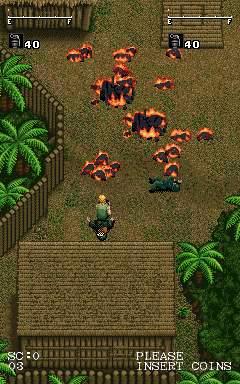
FPGA developer Jotego has released a new arcade core for the MiSTer FPGA project. The update brings the 1989 SETA Corporation shooter Caliber .50 to the platform.
I am a thankful Patreon supporter of his work. Jotego is an essential figure in the MiSTer FPGA community and produces a massive volume of arcade cores. He tackles complex custom chips and obscure hardware platforms that other developers often skip. His dedication ensures that arcade boards from the late 1980s and early 1990s remain accessible long after the physical capacitors and traces rot away.
A Vietnam run-and-gun from 1989
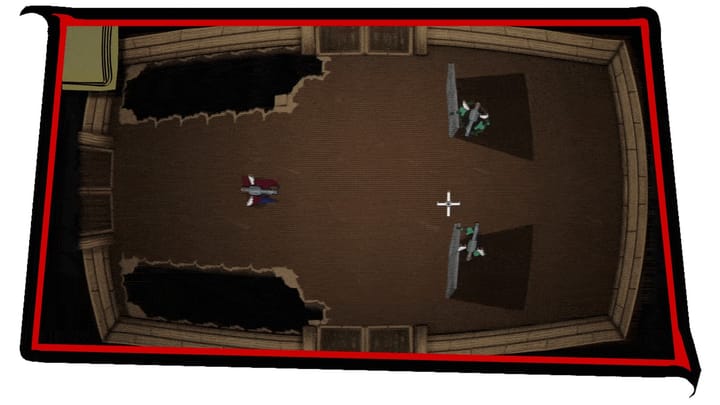
Caliber .50 is a top-down scrolling shooter set during the Vietnam War. SETA Corporation developed and released the original arcade cabinet in 1989. The studio was founded in 1985 and built a solid reputation in the arcade market with military titles like Twin Eagle and Thunderbolt II. Players take control of a United States Air Force pilot who must rescue his captured commanding officer from enemy forces. The gameplay involves battling through waves of enemy troops on foot and commandeering various vehicles along the way.
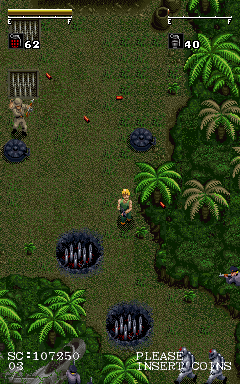
The arcade machine utilized a specialized rotary joystick. This allowed players to move their character in eight directions using the stick while twisting the knob to aim their weapon independently. It is the exact same control style popularized by SNK's Ikari Warriors. Translating that dual-stick movement to a standard controller is always a challenge for home ports. The MiSTer FPGA environment allows players to map these inputs to modern twin-stick controllers or actual rotary arcade sticks.
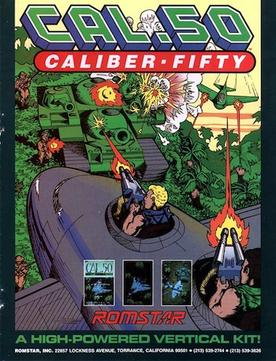
The Genesis port dropped the co-op
The game did make its way to home consoles via the Sega Genesis in December 1991. A relatively unknown publisher named Mentrix Software handled the North American release. The home version had to make several compromises to run on Sega's 16-bit hardware.
The Genesis port received a mixed reception from players and critics. Reviewers at the time pointed out the slow pacing and repetitive enemy encounters. The most glaring omission was the lack of a two-player cooperative mode. The arcade original allowed two friends to blast through the jungle together. The Genesis version restricted the action to a single player. It also struggled to map the rotary aiming mechanics to the standard three-button Genesis controller. Players had to hold down a button to lock their firing direction while moving.
Loose cartridges cost around $32
Tracking down the Genesis version today requires a decent budget. Physical copies currently sell for about $32 for a loose cartridge. If you want a complete-in-box copy with the manual, prices climb to around $145. Mentrix Software disappeared from the industry shortly after publishing this game and a few other arcade ports. The game has never seen a digital re-release on modern storefronts.
Finding an original SETA arcade board is even more difficult and expensive. Arcade collectors hoard these PCBs. The hardware is prone to failure after three decades of use. Jotego's new core bypasses the failing hardware entirely. It recreates the original logic of the SETA board at the hardware level. This release gives players a way to experience the uncut arcade version without spending hundreds of dollars on aging silicon.
Comments ()