
Bandai is building a Gashapon machine that connects to your phone
A newly published patent reveals plans for a smart capsule toy dispenser that manages inventory and links directly to digital terminals.
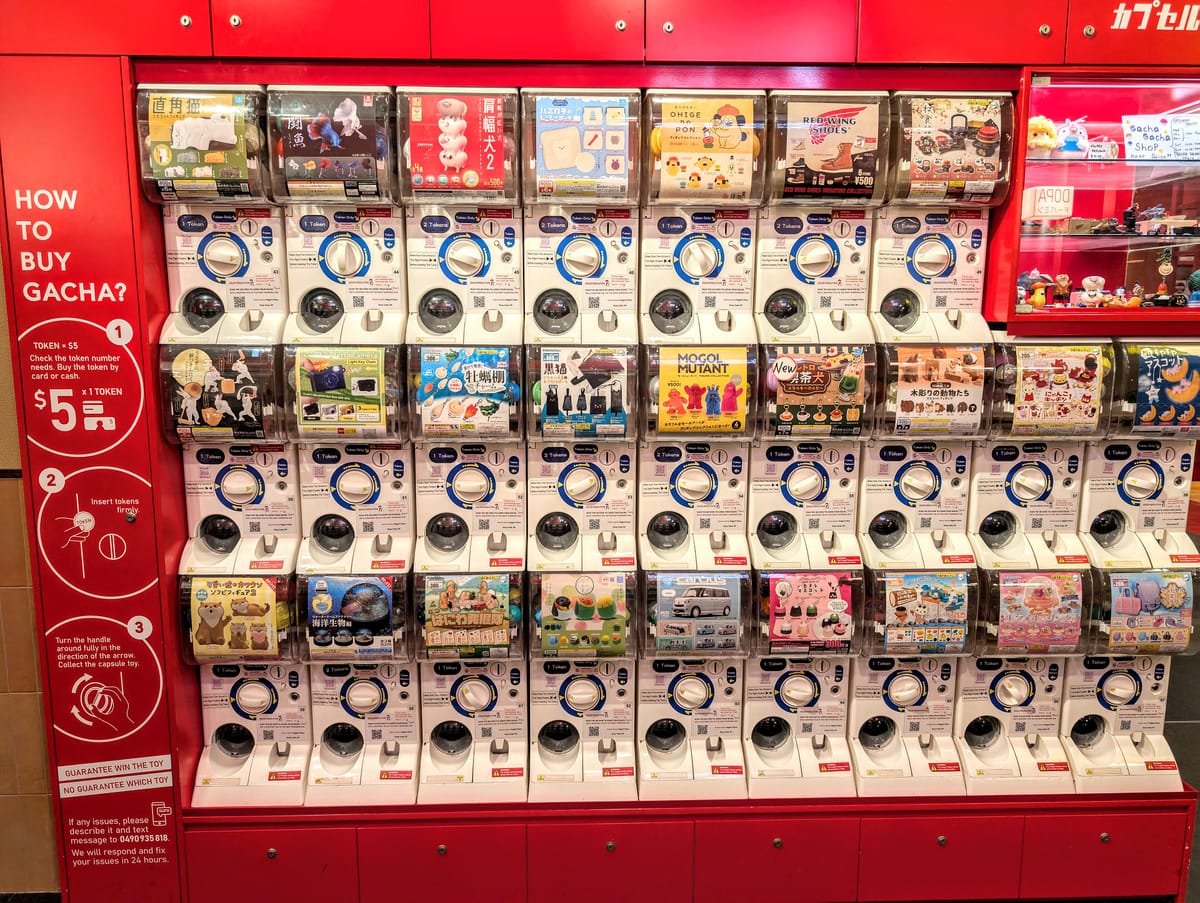
This morning as I was going through possible topics to write about, this one stood out as something so niche and bordering on annoying, I just couldn't resist. I'm also surprised that this doesn't already exist. So if my research led me astray, please send me any corrections.
Bandai has published a patent for a new type of Gashapon machine that connects to user terminals and dispenses physical items based on digital interactions. The filing, officially titled "Article Accommodation Device and Article Supply Device" (US20260030946A1), was published on January 29, 2026, and outlines a system that bridges the gap between mobile apps and physical capsule toys.
According to the patent documentation, the hardware includes an inventory management unit that tracks the physical stock of different product types inside the machine. Instead of just dropping a coin and turning a mechanical crank, users interact with a digital terminal (like a smartphone) that presents them with options. The system then runs a digital lottery or selection process and communicates with the physical machine to dispense the corresponding prize.
Smartphones and plastic capsules
This setup strongly suggests a shift toward redemption-style mechanics. Players might earn digital tickets or tokens in a mobile game, then walk up to a physical Bandai machine to claim a real-world prize. It also solves a massive logistical headache for operators by tracking exactly how many capsules are left in the hopper without requiring a staff member to physically check the machine.
I know these machines are essentially rip-offs. You are trading perfectly good currency for a tiny piece of plastic you will look at twice before putting it in a drawer. But it is still fun. It is still an experience. There are dumber ways to waste money, right? Maybe?
From gumballs to Gundam
To understand why Bandai is investing in the tech, you have to look at how massive this industry has become. The concept actually started in the United States in the 1880s with simple gumball and postcard vending machines. The format made its way to Japan in 1965 when Ryuzo Shigeta (often called the grandfather of the medium) started putting toys inside transparent plastic balls to keep them clean and appealing.
Bandai entered the market in 1977 and trademarked the term "Gashapon." The name is a literal translation of the user experience: "gasha" for the sound of the plastic crank turning, and "pon" for the sound of the capsule dropping into the metal collection tray. What started as cheap 10-yen trinkets eventually exploded into a massive collector market.
Today, the prizes go far beyond simple erasers. You can get highly detailed SD Gundam figures, miniature office furniture, scale models of train departure bells, and incredibly specific items like cats wearing full plate armor. The machines are everywhere from Akihabara specialty shops to the departure lobbies of international airports.
The end of the coin slot
Does this patent give us hints of what future Gashapon machines will be? It certainly points to a more connected ecosystem. The physical crank is a core part of the tactile appeal, but the backend is clearly going digital. By linking the physical dispenser to a user's personal device, Bandai can offer loyalty programs, digital cross-promotions, and targeted inventory management.
Traditional coin-operated machines are not going anywhere just yet. But players wanting a miniature boombox or a tiny traffic light might soon be scanning a QR code instead of digging through their pockets for a 500-yen coin.

Comments ()