
The Super Famicom's Aretha trilogy is coming to modern consoles
Edia is bringing three classic 16-bit Japanese RPGs to the Switch and PlayStation this July, including a wild co-op action finale.
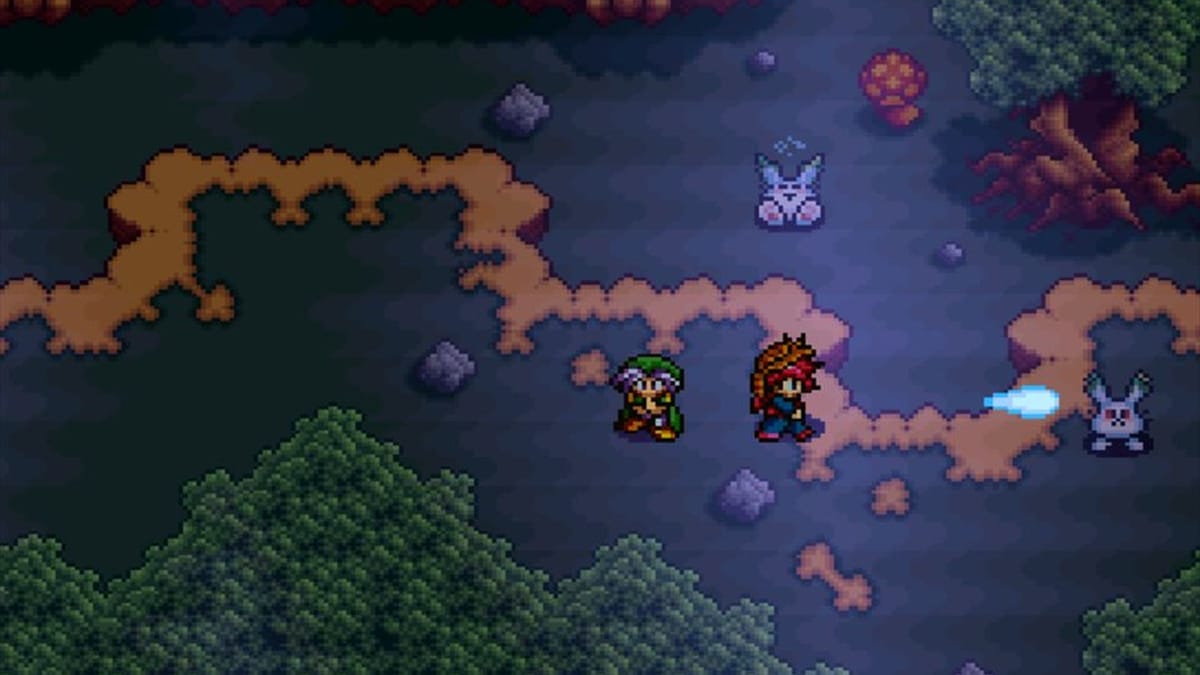
Edia and Yanoman have announced Aretha Collection 1993 to 1995, a compilation that brings three Super Famicom RPGs to the Nintendo Switch, PlayStation 4, and PlayStation 5 on July 30, 2026.
The set includes Aretha the Super Famicom (1993), Aretha II: Ariel no Fushigi na Tabi (1994), and Rejoice: Aretha Oukoku no Kanata (1995). I spend way too much money at Play-Asia, which is exactly where I saw the physical preorders pop up for the Switch and PS5 versions. To answer a question I had when I first saw the listing: no, this isn't just a physical print of an existing digital release. This is a brand new announcement. The July 30 date is the digital and physical debut for all three platforms.
I absolutely love the preservation aspect of this project. The Aretha series is a fascinating piece of RPG history that never officially left Japan. Originally developed by Japan Art Media and published by Yanoman (a company primarily known for making jigsaw puzzles), the franchise started on the Game Boy in 1990. After a successful handheld trilogy following a protagonist named Materia, the developers jumped to 16-bit hardware. The Game Boy games were incredibly ambitious for 1990. They pushed the handheld's limits with detailed portraits and complex mechanics. Moving to the Super Famicom allowed Japan Art Media to fully realize their vision with vibrant colors and expanded audio.
100 years later
The first two games in this collection are classic turn-based affairs that pick up the timeline a century after the Game Boy titles. You play as Ariel, a young girl with a mysterious past and a dragon hatchling named Fang. The gameplay involves navigating random encounters and traditional dungeon crawling. They are highly competent Dragon Quest-style adventures that actually cracked the Super Famicom's top-ten bestseller list in early 1994.
Japan Art Media knew how to push the hardware. The first Super Famicom entry introduced a directional battle system where enemies could attack your party from the front, sides, or behind. The sequel refined the mechanics further by adding more complex magic combinations.
The hip-hop action pivot
Then there is the third game. Yanoman completely shifted gears for Rejoice: Aretha Oukoku no Kanata. They turned the finale into a top-down action RPG that supports two-player local co-op. It also has a bizarrely awesome hip-hop motif. The game opens with a boss named Ice Cube who literally quotes "Ice Ice Baby" lyrics at you.
The protagonists in Rejoice are a band of thieves who spend the early hours of the game setting a man's house on fire to rob him and cheating shopkeepers with fake money. It is a wild departure from the earnest heroics of the first two games. The combat feels closer to The Legend of Zelda or Ys. It trades menu navigation for real-time sword swings. The new collection retains the local multiplayer. A second player can drop in with another controller.
A 300-piece jigsaw puzzle
The standard edition costs 8,580 yen (around $54). There is also a 16,280 yen limited edition that leans into Yanoman's corporate history. It includes a 300-piece jigsaw puzzle, alongside an acrylic standee, an art booklet, and a soundtrack CD with unreleased demo tracks.
The collection is currently only confirmed for a Japanese release. The PlayStation 4 version is digital only, but Switch and PlayStation 5 owners can grab the physical copies. Even if we never get an official English localization, getting these obscure 16-bit RPGs running natively on modern hardware is a huge win for the retro community.
Comments ()