
Anbernic's keychain-sized RG Nano is officially discontinued
After a final stock drop this week, Anbernic confirmed the ultra-compact RG Nano retro handheld is permanently discontinued.
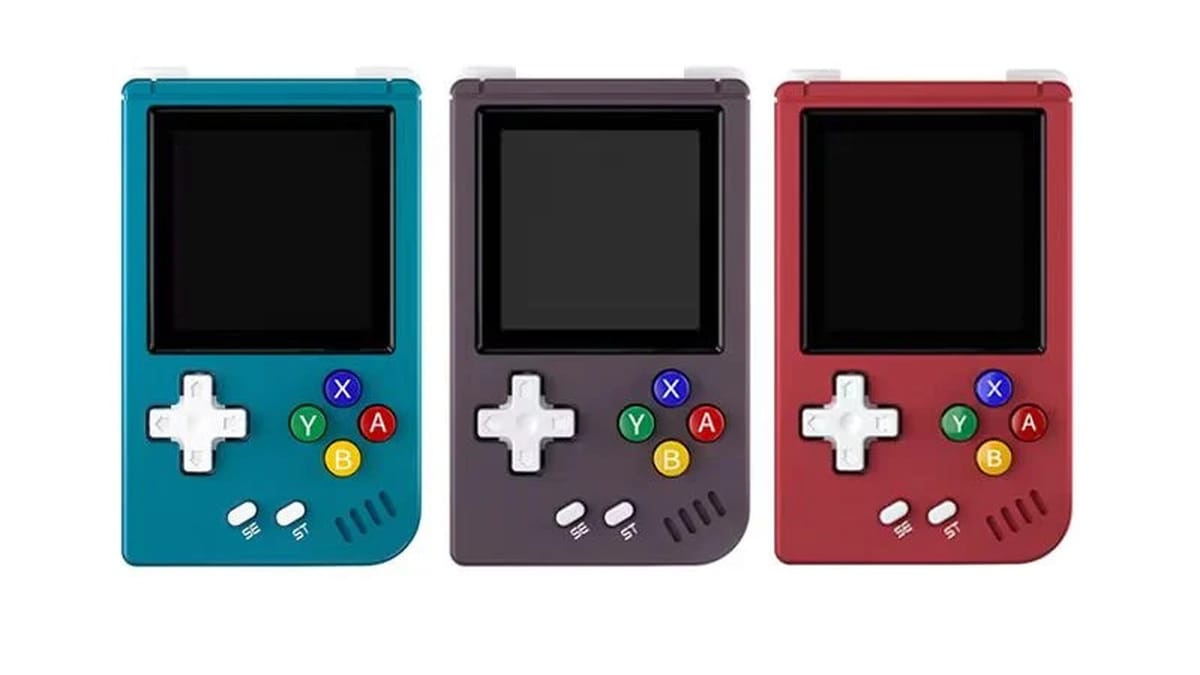
Anbernic has permanently discontinued the RG Nano, the company's ultra-compact retro gaming handheld. Following a small restock earlier this week, a user reached out to customer support to ask about future availability. The company confirmed that the remaining inventory was the final batch and production has officially ended.
The device originally launched on June 13, 2023, for $59.99. It was a novelty item that actually worked. Measuring 71 by 43 millimeters and weighing 75 grams, it was designed to live on a keychain. Inside the CNC aluminum alloy shell was an ARM Cortex-A7 processor clocked at 1.2 GHz and 64 MB of RAM. That was enough power to run custom Linux firmware and emulate everything from the Game Boy up to the original PlayStation.
Playing PS1 on a 1.54-inch screen
The display was the defining feature of the hardware. It used a 1.54-inch IPS panel with a 240 by 240 resolution. The 1:1 aspect ratio made it perfect for Game Boy and Pico-8 titles, but playing PlayStation or Super Nintendo games required heavy letterboxing or severe image stretching. It was a technical flex rather than a practical way to play a 40-hour role-playing game.
Powering the system was a 1050 mAh battery, which yielded roughly two hours of playtime depending on the brightness and the system being emulated. The D-pad and face buttons were surprisingly tactile for their size, though the shoulder buttons were awkwardly placed on the top edge. It was comfortable enough for a quick game of Tetris while waiting in line, but extended sessions would quickly cause hand cramps.
Why the production line stopped
A few factors likely led to the RG Nano's demise. The retro handheld market moves incredibly fast, and Anbernic is known for iterating on hardware every few months. The CNC aluminum shell gave the Nano a premium feel, but it was likely expensive to machine for a device that only sold for $60. Once the initial novelty of a keychain emulator wore off, the audience for a micro-handheld naturally shrank.
The 1:1 screen also limited its long-term appeal. Players tend to gravitate toward larger 4:3 devices like Anbernic's own RG35XX series for actual gaming sessions. The Nano was a fun conversation starter, but it was never going to be a daily driver for most people.
Furthermore, there is no obvious path for a successor. What would an RG Nano 2 even look like? You cannot make it much smaller without it becoming unplayable, and making it bigger defeats the entire purpose of the keychain form factor. Anbernic has recently shifted its focus to standardizing around a few specific Rockchip and Allwinner chips for larger devices, leaving little room in the manufacturing pipeline for a niche novelty item.
The end of the micro-handheld trend
The RG Nano filled a specific gap for hardware enthusiasts who wanted a playable keychain. It competed directly with devices like the FunKey S, offering a metal alternative to the usual plastic micro-consoles. The community even managed to port the FunKey S operating system over to the Nano, vastly improving the user interface and sleep functionality over the stock firmware.
With the final units sold, the secondary market is now the only option for anyone who missed out. A three-year production run is actually quite long in the Chinese handheld space, where older models are routinely cannibalized by newer hardware. The Nano had a good run, but its time is over.




Comments ()