
All 4 Super Famicom Doraemon games now have English patches
Translator Mr Sausage Translations has released a batch of English patches covering Epoch's entire 1993 to 1995 Super Famicom Doraemon tetralogy.
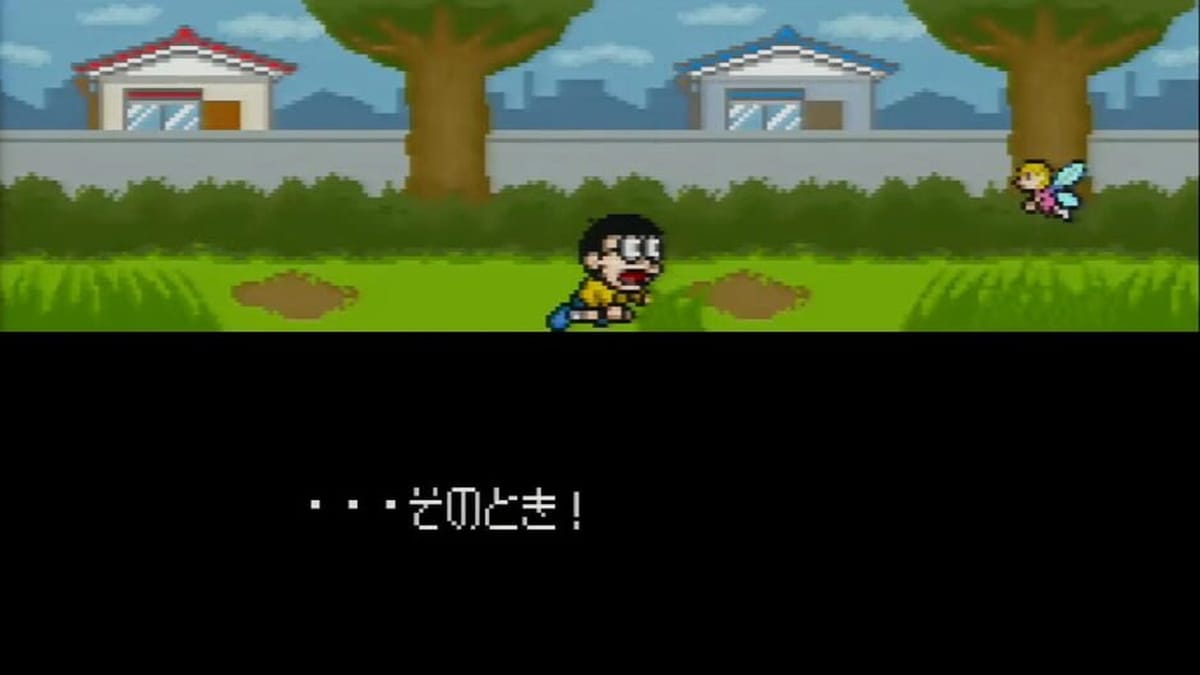
Every mainline Doraemon platformer released on the Super Famicom is now playable in English. Romhacker Mr Sausage Translations (known on Reddit as ProfessionalLove3726) put out a batch of four IPS patches on ROMhacking.net that cover the entire 16-bit tetralogy published by Epoch between 1993 and 1995, following their recent localization of the Game Boy title Doraemon: Taiketsu Himitsu Dogu!! (Gadget Showdown).
Founded in 1958 by Maeda Taketora, Epoch was a major third-party Nintendo publisher that held the video game license for Fujiko F. Fujio's robotic cat throughout the 1980s and 1990s. Because the anime didn't have much of a footprint in North America at the time, none of the four 16-bit games ever left Japan, leaving import collectors to guess their way through town menus with incomplete walkthroughs. All four patches use AI-assisted script translations that the creator manually edited and tested across full playthroughs of each game.
1. Doraemon: Nobita to Yousei no Kuni (1993)
Developed by SAS Sakata and released in Japan on February 19, 1993, Doraemon: Nobita to Yousei no Kuni (roughly Nobita and the Land of Fairies) established the hybrid formula for Epoch's 16-bit run. The game splits its time between top-down RPG-style exploration around Nobita's neighborhood and side-scrolling platforming stages inside a fairy dream world. Having the town dialogue in English makes a real difference here, because triggering the gateways to the action levels requires talking to the right people and tracking down Doraemon's friends in a specific order.
The platforming sections lean heavily on 22nd-century gadgets pulled from Doraemon's four-dimensional pocket. The collision detection in this first entry feels a little stiff compared to first-party Nintendo platformers of the same year, though the bright pixel art holds up well.
2. Doraemon 2: Nobita no Toys Land Daibouken (1993)
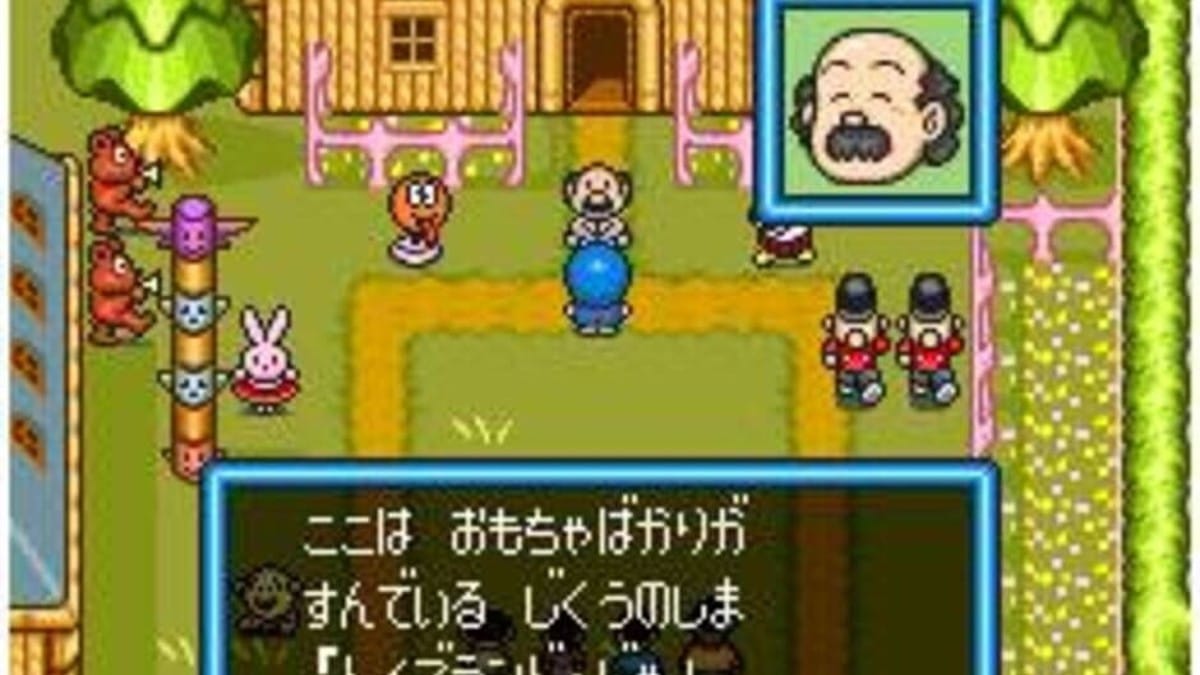
SAS Sakata and Epoch turned around a sequel in just ten months. Launching on December 19, 1993, Doraemon 2: Nobita no Toys Land Daibouken (Nobita's Great Adventure in Toys Land) sends the cast into a fantasy realm built out of living toys. It keeps the split between overworld exploration and 2D action stages from the February release, but tightens up the jumping physics and scrolling.
Putting out two full-length platformers in a single calendar year usually results in a rushed disaster, so I'm surprised at how much cleaner the sequel looks and plays. The toy-themed stages give the artists more room to experiment than the standard elemental worlds of the first game.
3. Doraemon 3: Nobita to Toki no Hougyoku (1994)
Epoch handed development duties over to AIM (with audio work by composer Tomoyuki Hamada and T's Music) for Doraemon 3: Nobita to Toki no Hougyoku, which hit the Super Famicom on December 16, 1994. After a fossil gets crushed by a car, Nobita and Doraemon hop into the Time Machine to recover the stolen jewels of time across prehistoric and historical eras, including Edo-period Japan. The developer swap brings a noticeable shift in sprite style and stage design.
Instead of locking characters to separate stages, this entry lets you switch between Doraemon, Nobita, and their friends on the fly, and you'll need to use character-specific skills like Suneo's ability to crawl through tight gaps to clear the levels. There's also a light RPG shop system for buying items and upgrading weapons back in the present-day hub, which is much easier to manage when you can actually read what the shopkeepers are selling.
4. Doraemon 4: Nobita to Tsuki no Oukoku (1995)
The Super Famicom series wrapped up on December 15, 1995, with Doraemon 4: Nobita to Tsuki no Oukoku (Nobita and the Kingdom of the Moon). Studio Agenda took over development for this final 16-bit installment, dropping the top-down town exploration in favor of a Super Mario World-style map screen. Players pick from six characters, including Doraemon's sister Dorami, before heading into stages set across the Moon Kingdom.
You can stomp enemies or fire weapons, and certain power-ups let two characters team up at the same time. Dropping the town hubs makes it the most straightforward platformer of the four, and it's the easiest one to jump into if you just want 16-bit action without wandering around Nobita's neighborhood first.

Comments ()