
You can now play Daytona USA natively on PC without an emulator
Developer alphanu1 has released a native C++ recompilation of Sega's 1994 arcade classic, letting it run on modern operating systems without MAME.
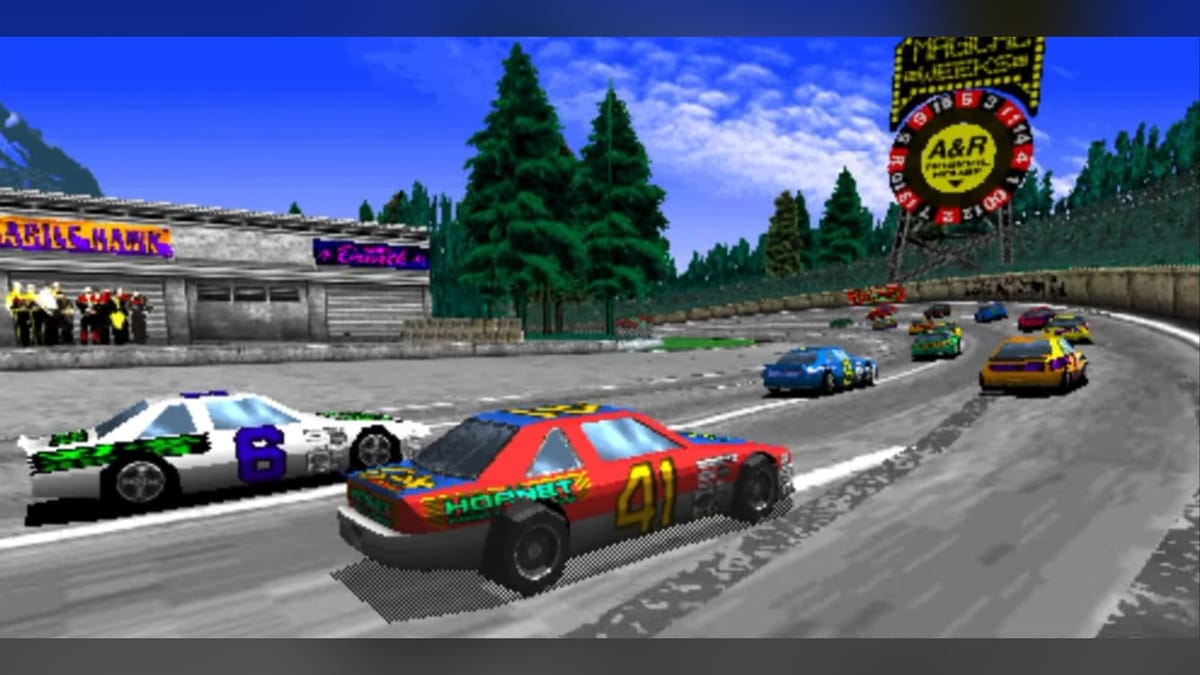
Developer alphanu1 has released a native C++ port of Sega's 1994 arcade racer Daytona USA for PC, macOS, and Linux. The project bypassed traditional emulation entirely when it launched on GitHub on September 29. It statically recompiles the original Model 2 arcade code into native instructions that modern operating systems understand.
You have to supply your own Daytona USA Deluxe '93 ROM set to make it work. I am genuinely curious how many people still have their original arcade boards lying around to legally dump the required files, but the internet usually finds a way.
A rolling start for preservation
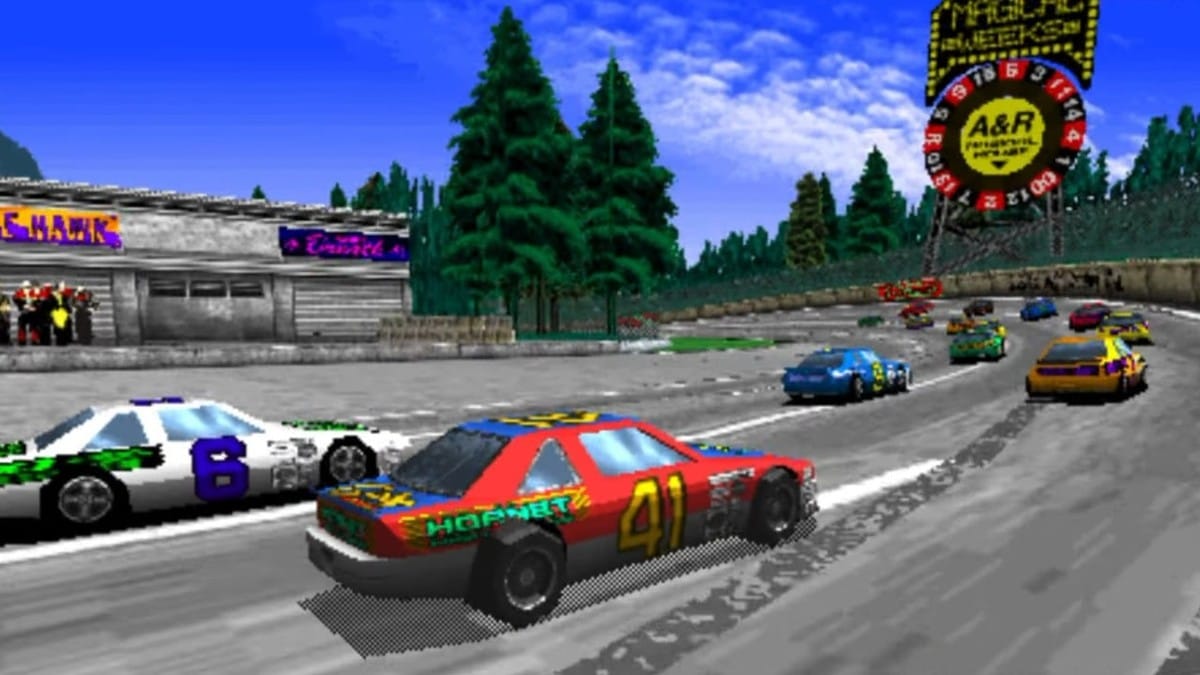
Daytona USA debuted in arcades in March 1994. Directed by Toshihiro Nagoshi and produced by Yu Suzuki at Sega AM2, it pushed the Sega Model 2 hardware with texture-mapped 3D polygons at a locked 60 frames per second. The game was a massive hit, aided by competitive cabinet linking for up to eight players and an incredibly loud soundtrack by Takenobu Mitsuyoshi.
Sega released plenty of home ports over the years. We got a rushed Saturn version in 1995, a Windows 95 edition, a Dreamcast release in 2001, and a high-definition digital port for the PlayStation 3 and Xbox 360. Playing the original arcade code on a computer always meant wrestling with MAME or the dedicated Model 2 Emulator. Those programs work, but they require a middleman to translate the code on the fly, which introduces input lag and requires more processing power than the game actually needs.
This native port takes a different route. It statically recompiles the original Intel i960 main CPU instructions, the MB86233 DSP code, and the 68000 sound subsystem directly into C++. The result is a game that runs exactly as it did in the arcade, just with lower input latency and native modern gamepad support.
Vita and MiSTer ports are next
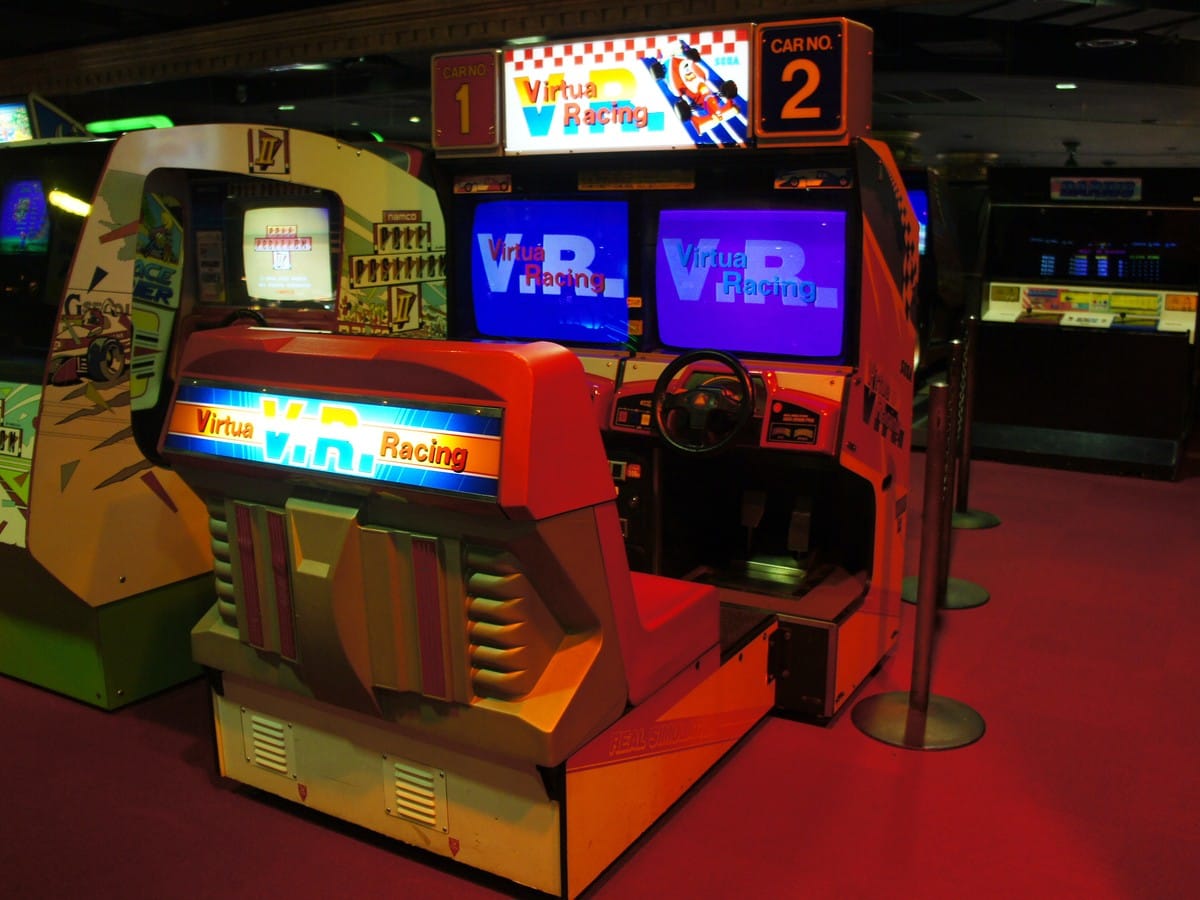
The developer behind this port is no stranger to Sega hardware. According to Time Extension, alphanu1 recently built a new FPGA Model 1 core for Virtua Racing. They've also created RetroArch's CRTSwitchRes utility, a tool that helps output accurate resolutions to CRT monitors.
This static recompilation approach mirrors what the community has done with Nintendo 64 games like Super Mario 64 and The Legend of Zelda: Ocarina of Time. It strips away the overhead of emulation, making the software incredibly lightweight. That efficiency is exactly why this project can target lower-power hardware.
The current build is fully playable, but alphanu1 is already planning future updates. Widescreen support and higher rendering resolutions are on the roadmap. Ports for the PlayStation Vita and MiSTer FPGA are also in development, which makes sense given the developer's background with FPGA cores.
It's a massive technical achievement for a thirty-year-old racing game. Hearing Mitsuyoshi belt out the main theme never gets old, and now it runs natively on just about anything you own.

Comments ()