
Valve patents adjustable liquid lenses for VR headsets
Valve has published a new patent application for liquid-filled lenses that dynamically adjust to a user's vision prescription inside a VR headset.
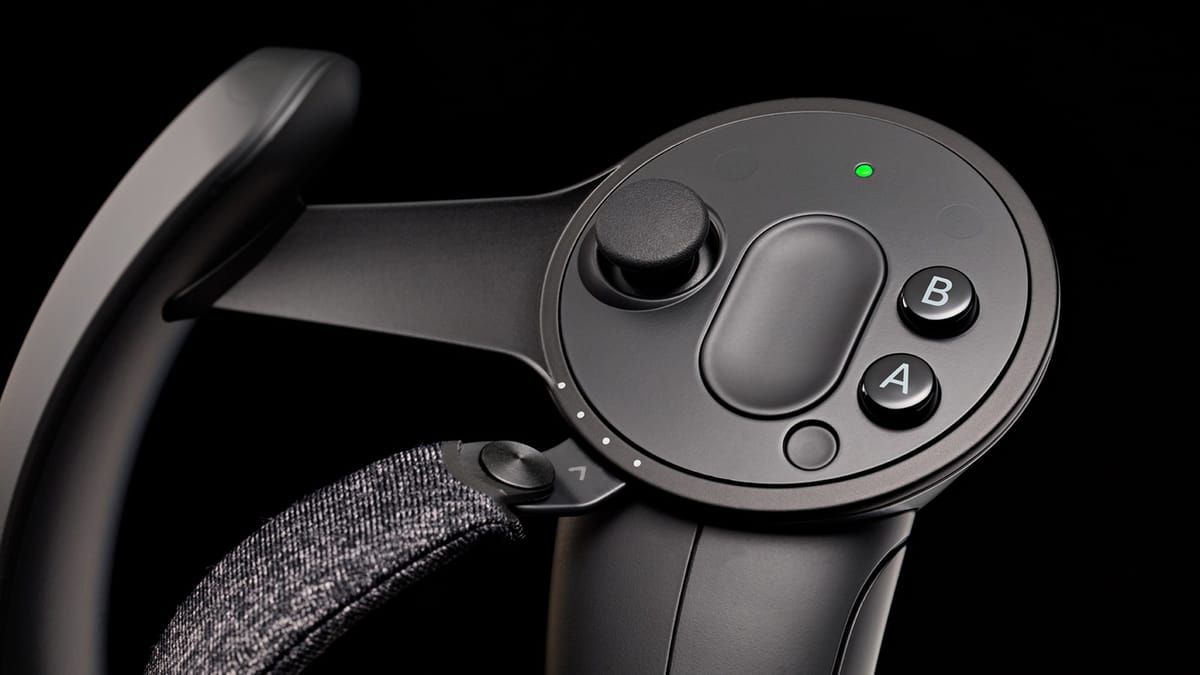
Valve Corporation has published patent application US 2026/0299289 A1 for an adjustable liquid corrective lens system designed for head-mounted displays. The filing appeared on October 1 through the USPTO Patent Public Search database and Google Patents. This is a patent application, not an announced commercial product or a guarantee of release. Hardware companies patent concepts all the time.
The mechanics of the invention are straightforward but clever. Instead of relying on bulky mechanical gear stacks, glass prescription inserts, or static pancake lenses, the assembly uses two semirigid plastic layers that enclose a fluid cell. Micro-actuators sit at the edges of these optical elements. When the system needs to change focus, the actuators push or pull on the edges to alter the fluid chamber's physical curvature on demand.
The patent filing details how the liquid volume is sealed between the first and second optical elements. Because the plastic is semirigid, it flexes predictably when the actuators apply force. This means the headset doesn't need a complex motorized track to physically move rigid glass lenses back and forth. The lens itself changes shape. Adjusting this spacing shifts the optical properties of the entire assembly. The system can adjust optical power, correct for astigmatism, and provide spherical correction. All of this happens dynamically inside the headset.
Solving the glasses problem
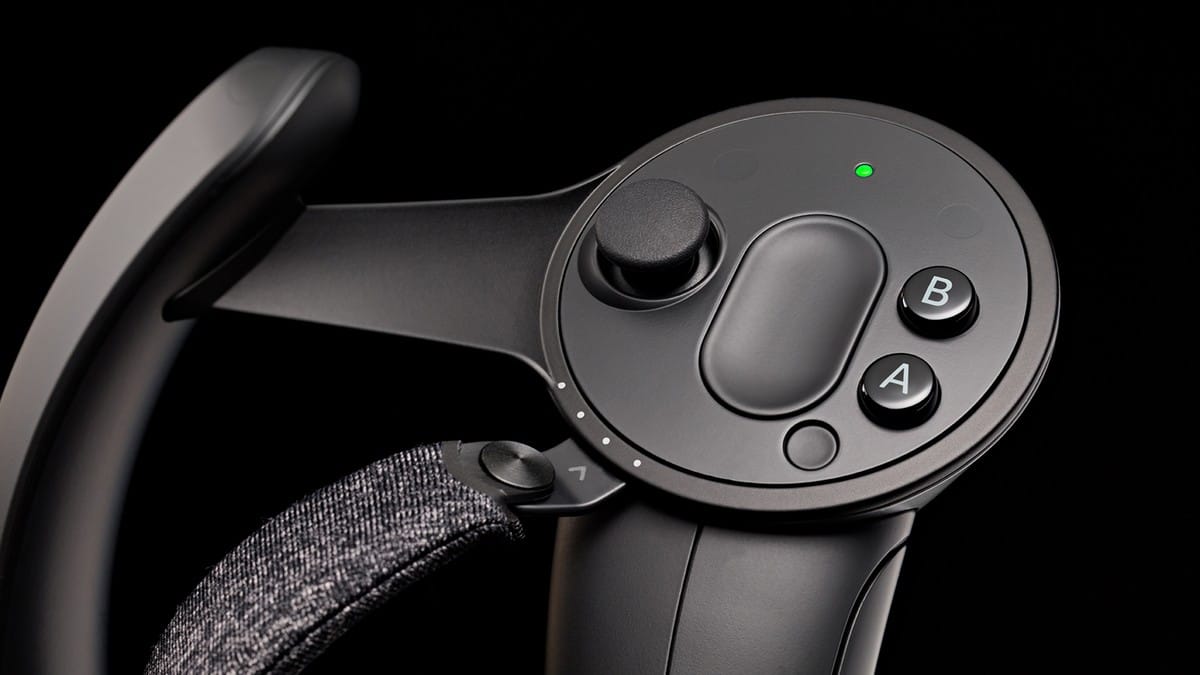
The current state of VR vision correction is a mess. Millions of players have to squeeze their glasses into headsets or buy custom prescription snap-on inserts from third parties.
An integrated liquid lens system could let users dial in their exact prescription directly in software. A headset could automatically calibrate diopter settings between family members sharing the same device. Beyond basic vision correction, dynamic lenses could adjust focal planes on the fly to address the vergence-accommodation conflict in future headsets. That's the biological mismatch where your eyes converge on a virtual object close to you while focusing on a screen fixed a few inches away.
The Deckard connection
The inventor listed on the application is Joshua Hudman. He's a hardware and optics engineer at Valve who has worked extensively on the company's head-mounted display optical systems and diffractive optics. Valve has a strong VR pedigree with SteamVR and the Valve Index, which launched back in June 2019.
The Index established a high-end benchmark for consumer virtual reality. It featured dual canted 1440x1600 LCD displays, high refresh rates, and off-ear speakers. It also served as the premiere showcase hardware for Half-Life: Alyx. But for all its technical achievements, the Index still treats vision correction as an afterthought. You'll either wear your glasses, buy third-party inserts, or deal with a blurry image.
Hudman's work feeds directly into long-standing industry speculation around Valve's next hardware moves. Developer leaks frequently mention next-generation wireless or standalone VR headset prototypes under the codenames Deckard or Steam Frame. A headset that can automatically adjust to any user's eyesight without requiring extra hardware purchases would be a massive selling point for a standalone device.
The original provisional application was filed in March 2025. We'll have to wait to see if the technology makes it out of the research phase and into a consumer box.


Comments ()