
Unseen64 Reveals David Siller's Lost Super Mario Parody 'The Secret Life of Guido'
A newly unearthed pitch from the producer of Crash Bandicoot reveals a cancelled parody game starring a fix-it man named Guido.
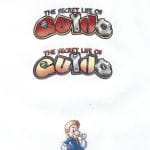
Game preservation archive Unseen64 has published details regarding The Secret Life of Guido, a cancelled game pitch from industry veteran David Siller that was intended to serve as a parody of the Super Mario franchise. According to the report, the concept was created during a brief transitional period in Siller's career, shortly after he departed Universal Interactive Studios and before he joined Capcom.
For those who track the genealogy of 1990s platformers, Siller is a significant figure. He created Sunsoft's Aero the Acrobat, served as the producer for the original Crash Bandicoot at Universal, and later produced Maximo: Ghosts to Glory at Capcom. This newly revealed pitch sits right in the middle of that timeline, offering a glimpse into the mascot-heavy mindset of the mid-90s gaming industry.
Unseen64 details the history of the cancelled project.
It's-a Me, Guido
The premise of The Secret Life of Guido was unapologetically derivative, designed to poke fun at the tropes Nintendo had established a decade prior. The game would have starred Guido, a "fix-it man" whose day job involved repairing machines sabotaged by "pesky gremlins." If the name Guido and the profession didn't make the parody obvious enough, the gameplay loop certainly did.
According to Unseen64, the game was structured around a day-night cycle. After a day of fixing broken machinery, Guido would take a siesta. While sleeping, he would dream of becoming a hero inspired by famous video game icons. The pitch describes a Don Quixote-style delusion where Guido enters a "Special World" in his dreams to fight bosses. Upon winning, he wakes up and goes back to work. It is a structure that allows for varied gameplay styles without needing a cohesive narrative reason for the character to jump between genres.
The Mascot Wars Context
To understand why a game like this was pitched, you have to look at the landscape of 1996. The industry was drowning in "mascot platformers." Every publisher wanted their own Mario or Sonic. Siller had already participated in this arms race twice. First with Aero the Acrobat in 1993, which was Sunsoft's attempt to capture the "attitude" era of the Sega Genesis. Then again at Universal, where he helped shepherd Crash Bandicoot, a game that successfully gave the PlayStation a mascot to rival Nintendo's plumber.
The Secret Life of Guido appears to have been a reaction to this saturation. Instead of trying to create the next serious contender, Siller's pitch leaned into the absurdity of the genre. The idea of a blue-collar worker hallucinating that he is a video game hero is a meta-commentary that might have been ahead of its time. Most games in this era played their mascot tropes completely straight.
From Guido to Maximo
While The Secret Life of Guido never moved past the conceptual phase, traces of its DNA seem to have survived in Siller's later work. After this pitch failed to gain traction, Siller joined Capcom, where he produced Maximo: Ghosts to Glory on the PlayStation 2.
Maximo was a spiritual successor to Ghosts 'n Goblins, but it featured a specific blend of cartoonish character design and challenging, mechanical gameplay that echoes the descriptions of Guido. The "Special World" dream logic in Guido also parallels the distinct, disconnected worlds found in many 3D platformers of the early 2000s.
Unseen64 notes that the information comes from posts Siller made on a now-deleted Twitter account seven years ago. It serves as another reminder that game history is often incredibly fragile, existing only in the memories of developers or on social media platforms that don't guarantee permanent archival. Without preservation efforts like this, the only record of Guido would have been lost when the delete button was pressed.

Comments ()