
The VGHF digital archive now has over 5,000 searchable magazines
The Video Game History Foundation has tripled its digital library, adding Japanese OCR support and the complete run of Neo Geo Freak.
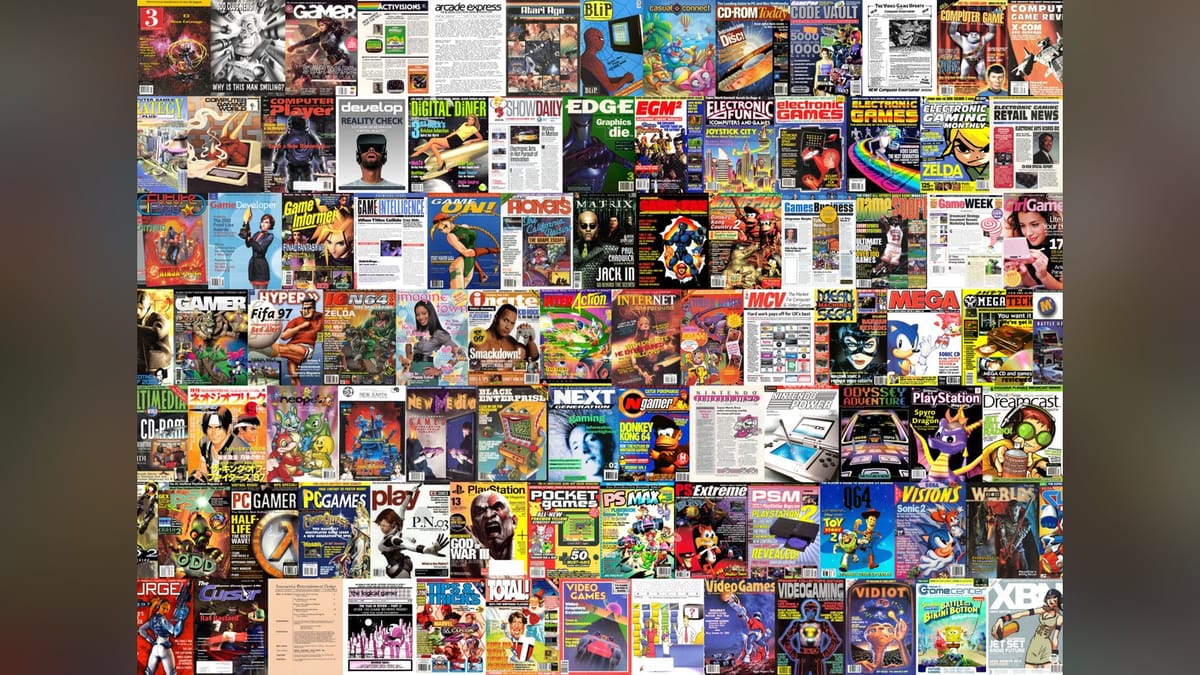
The Video Game History Foundation has expanded its digital archive past 5,000 out-of-print magazines, totaling nearly 600,000 searchable pages. According to the VGHF, the collection now spans 46 years of gaming history from 1981 to 2026.
I'm obsessed with these collections, specifically the TurboGrafx-16 and Duo mags. The archive originally launched in January 2025 with about 1,500 publications. In the 18 months since, community scanning groups and industry partners helped triple that footprint. The VGHF digitized about a third of the current library internally, relying on external groups for the rest. They specifically credited organizations like Retromags, Sega Retro, Out-of-Print Archive, and eXoDOS, along with Patreon member Chris Chapman, who provided 157 scans on his own.
A baseline for preservation
Game preservation is a notoriously difficult field. In 2023, the VGHF published a study showing that 87 percent of classic games released before 2010 are completely unavailable through commercial channels. When the games themselves disappear, the surrounding print media becomes the only surviving record of how they were made and received.
The archive is free for research access. It has already become the preferred reference source for out-of-print game magazines on Wikipedia, accumulating over 500 citations since it launched. The latest expansion includes hundreds of trade magazines and niche community newsletters, which account for about 60 percent of the foundation's physical catalog.
Reading vertically without spaces
The biggest technical update is full support for Japanese-language magazines. Japanese publications are vital for historical research because they contain developer interviews and first-hand accounts of local player culture that never made it overseas. Getting them into a searchable digital format requires more than just uploading a PDF.
The VGHF had to integrate specialized libraries for Japanese document transcription into their text mapping toolset. The system now supports vertical writing and handles Japanese text without interword spacing in the search results. They also added right-to-left page layouts and language filtering. Older Japanese materials already in the archive, like a collection of FromSoftware promotional documents, were re-processed to match the new standards.
The SNK pilot project
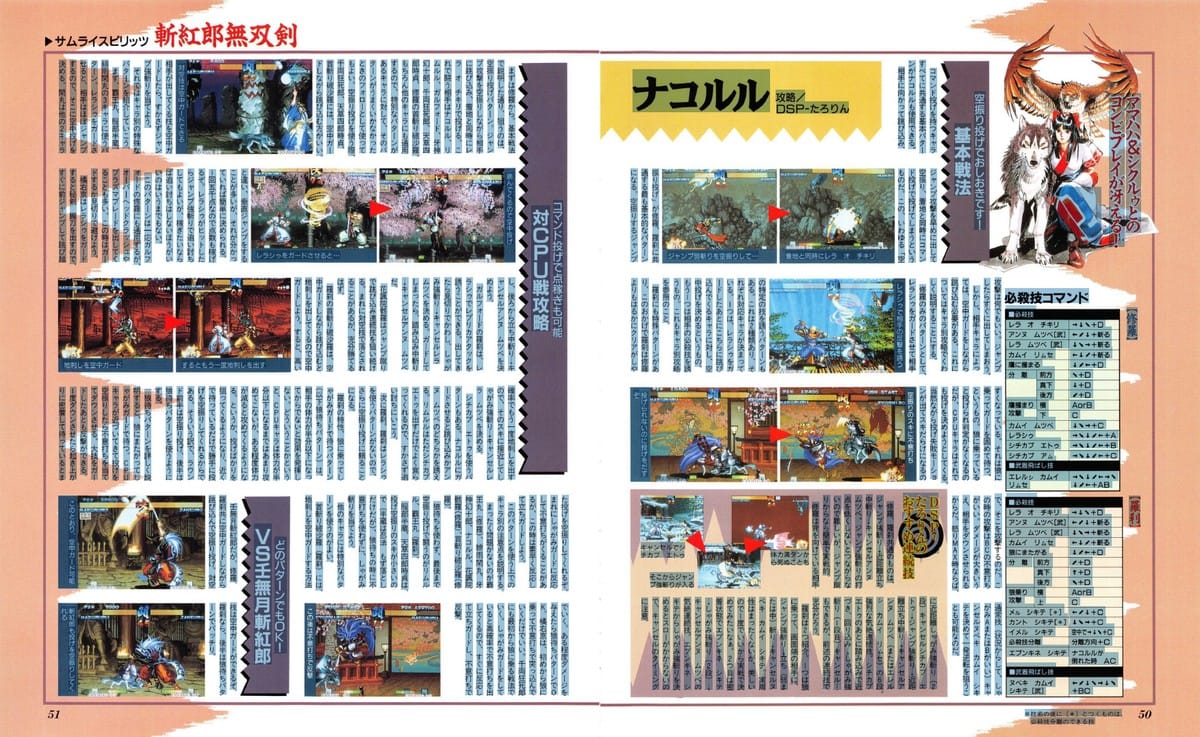
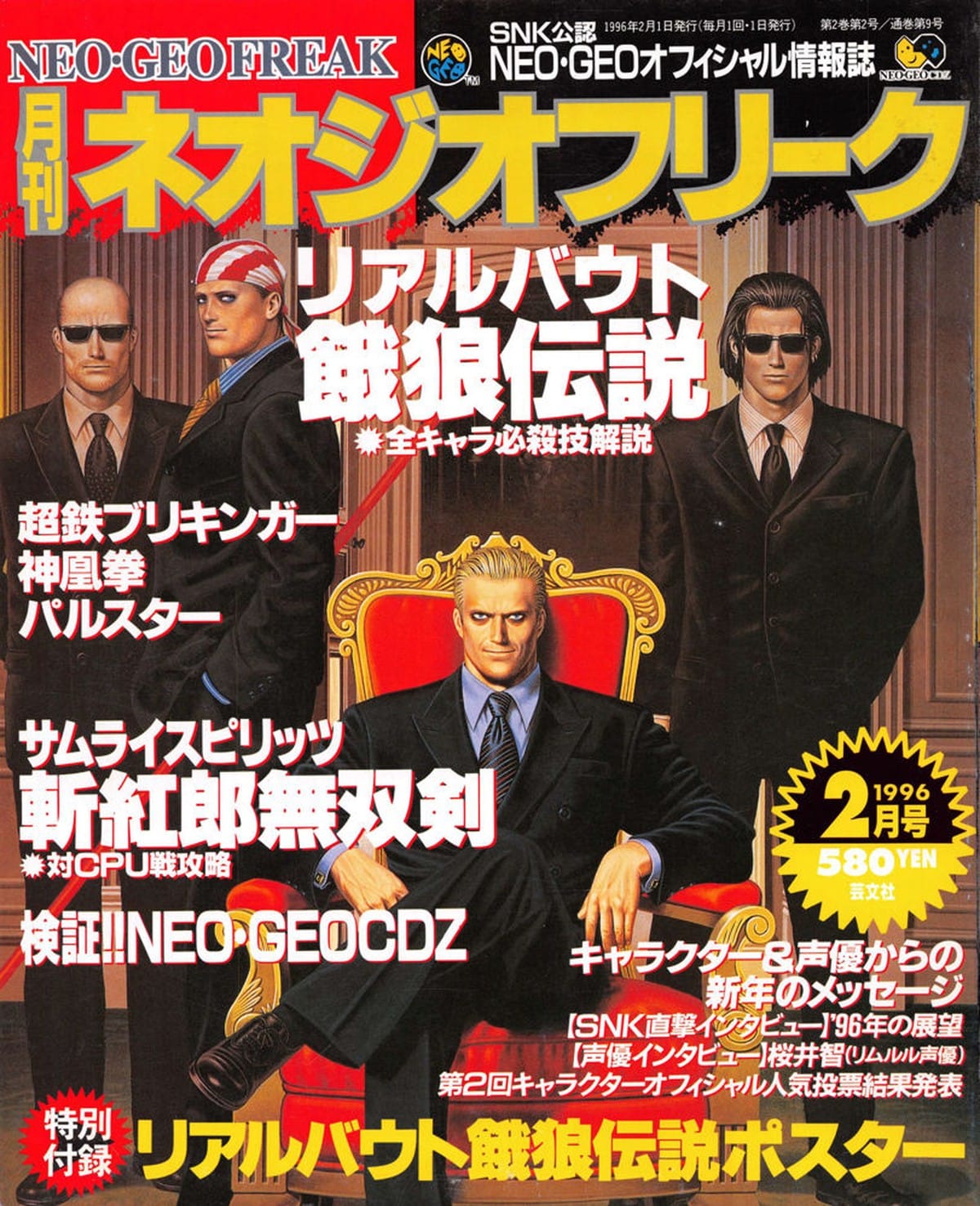
To test the new Japanese OCR tools, the foundation launched research access to the complete run of Neo Geo Freak. Published by Geibunsha from 1995 to 2000, the monthly magazine covered SNK arcade releases and Neo Geo home hardware during the peak of the 2D fighting game boom. It's packed with official character artwork, tournament strategies, and developer columns for games like Fatal Fury, Samurai Shodown, and The King of Fighters.
A community member donated the physical run of Neo Geo Freak last year, and user Japanese Magazine Scans had already digitized it. Instead of attempting an automated bulk translation of 10,000 pages, the VGHF assembled a group of Japanese-fluent volunteers to index the major articles and interviews in English. This lets English-speaking researchers find relevant articles and translate the specific text they need using their own tools.
The foundation is asking researchers who use Japanese materials to provide feedback on the new system. They've got another 70,000 pages queued up for processing in the coming years, provided the current OCR and indexing methods hold up under actual research use.
Comments ()