
The card-sized lilvo DS Micro has a fully working prototype
At 85 by 46 mm closed, the independent dual-screen handheld now runs Nintendo DS and GBA games on a hand-built prototype with its own Linux OS.
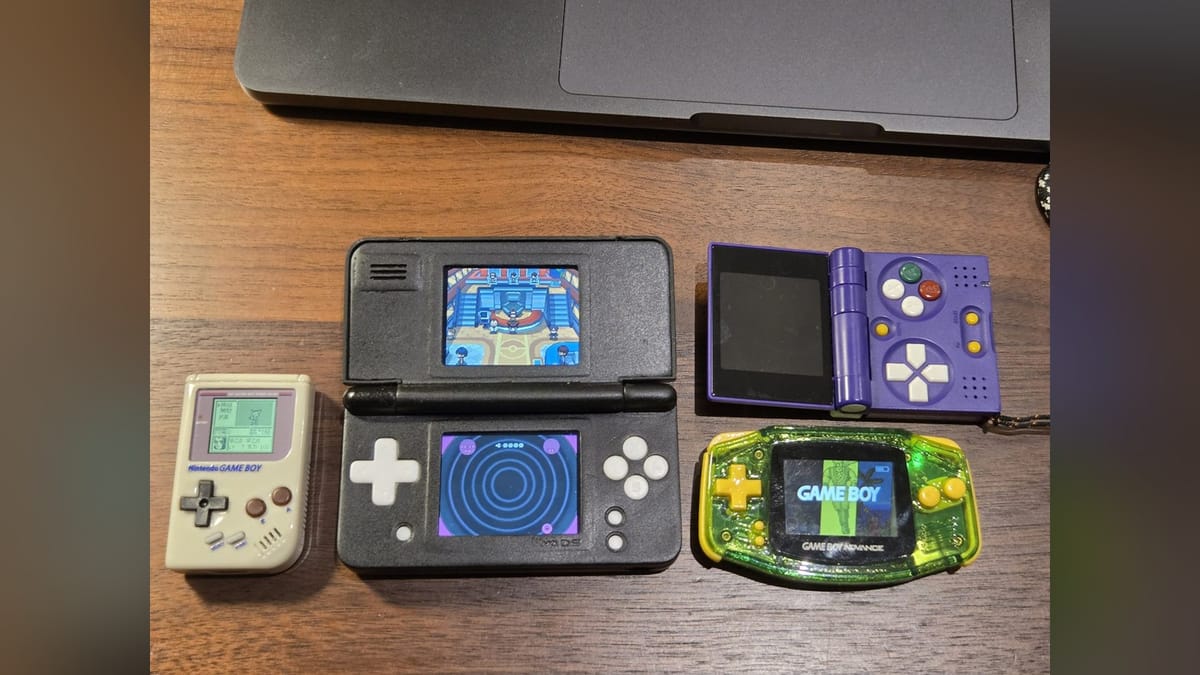
The independent creator behind the lilvo DS Micro completed the project's first fully working prototype on November 16, moving the dual-screen clamshell handheld from taped-together test boards into an 85 by 46 by 18 mm white shell.
First shown in public build logs across September and October 2026 (with initial bare-board power tests on October 18), the project shrinks a two-screen portable down to roughly the footprint of a standard bank card. This latest hardware revision adds a six-layer main board, working L and R shoulder buttons, a speaker, a 3.5 mm headphone jack, and a Hall sensor in the lid that saves the active game before cutting power completely. You can't buy one yet, and there's no price or release window.
Smartwatch screens and a browser for your ROMs
The direct inspiration here is the FunKey S, the keychain-sized clamshell that raised €165,760 on Kickstarter in 2020 and shipped in 2021 with an instant-save-on-close OS. Most dual-screen emulation handhelds on the market right now, such as the Anbernic RG DS Plus, Retroid Pocket Duo, and AYN Thor, aim closer to the bulk of a Nintendo 3DS XL. The DS Micro goes the opposite direction.
Inside the four-screw snap-fit enclosure sits an Allwinner T113 dual-core ARM Cortex-A7 processor clocked at 1.2 GHz, paired with two 2.01-inch IPS smartwatch panels connected over separate SPI buses. Those screens actually carry a slightly higher native resolution with rounded corners, so the shell masks them down and the software only illuminates an exact 256 by 192 pixel window on each half (matching the original 2004 Nintendo DS pixel for pixel, paired with a capacitive touchscreen on the bottom panel instead of the original's resistive one). A November 20 software update even added a calibration tool that shifts the active image by up to four pixels so it lines up cleanly inside the plastic cutout.
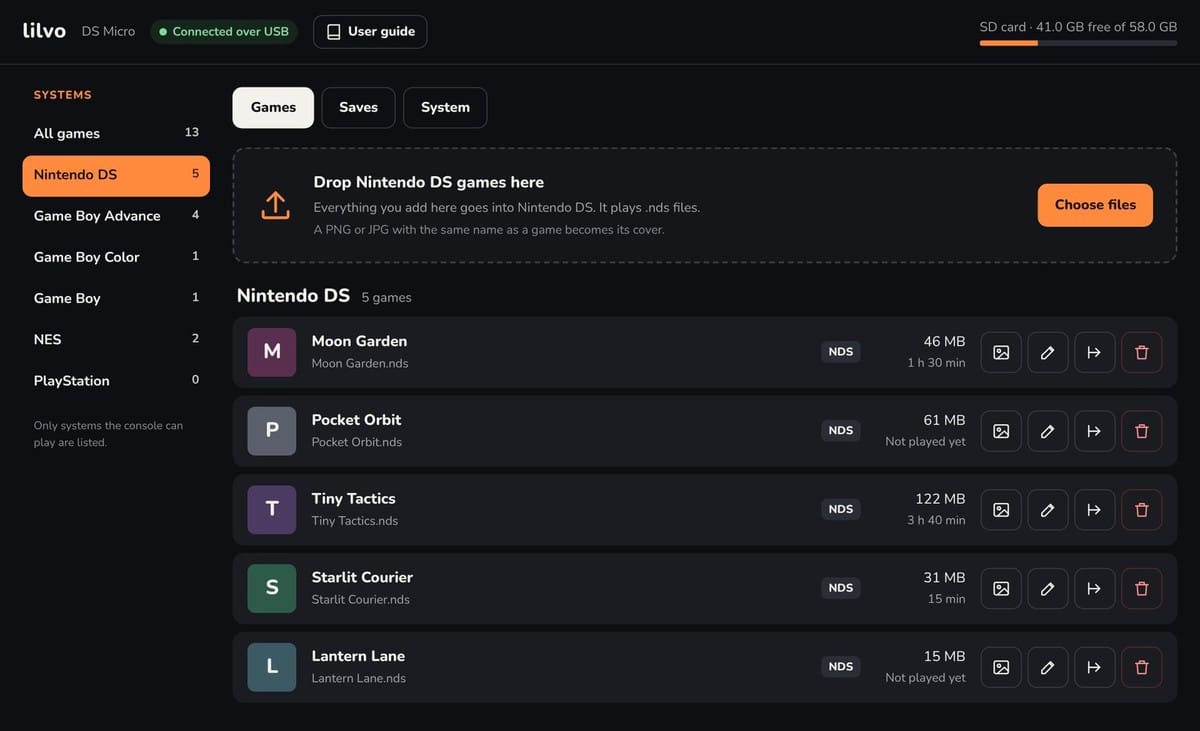
There isn't enough room on the frame for an external card slot, so the microSD card stays sealed inside the shell and there's no Wi-Fi chip at all. Instead, plugging the console into a computer over USB-C lets you open lilvo.local in a web browser to drag over ROMs, add cover art, pull a zip backup of your saves, or drop in system updates. That browser transfer works on macOS right now, though Windows support still needs a separate USB network mode. Tapping out stylus-heavy action games on a two-inch touch panel sounds like a thumb cramp waiting to happen, even if turn-based RPGs look right at home on it.
DraStic handles DS, but SNES sits this one out
Everything runs on a custom launcher called the lilvo system, built from scratch on mainline Linux with four visual themes and four screenshot-backed save slots per title. Nintendo DS emulation runs through DraStic, while 11 single-screen platforms (Game Boy Advance, Game Boy, Game Boy Color, NES, PlayStation, PC Engine, Master System, Game Gear, Neo Geo Pocket, WonderSwan, and Atari Lynx) use open-source libretro cores.
Because the 1.2 GHz chip prioritizes battery life and thermals over raw muscle, 2D DS games like 2012's Pokémon White 2 are the target for full-speed play, whereas heavier 3D titles skip frames. When running GBA games like Banpresto's 2005 tactical RPG Super Robot Wars J on the top display, the bottom touchscreen turns into a control deck for quick-saving, loading, and holding 2x fast-forward. SNES and Sega Mega Drive are absent on purpose: the creator wants to take the DS Micro to mass production, and the best emulators for those two 16-bit consoles carry non-commercial licenses.
An X-rayed chip and a lying battery
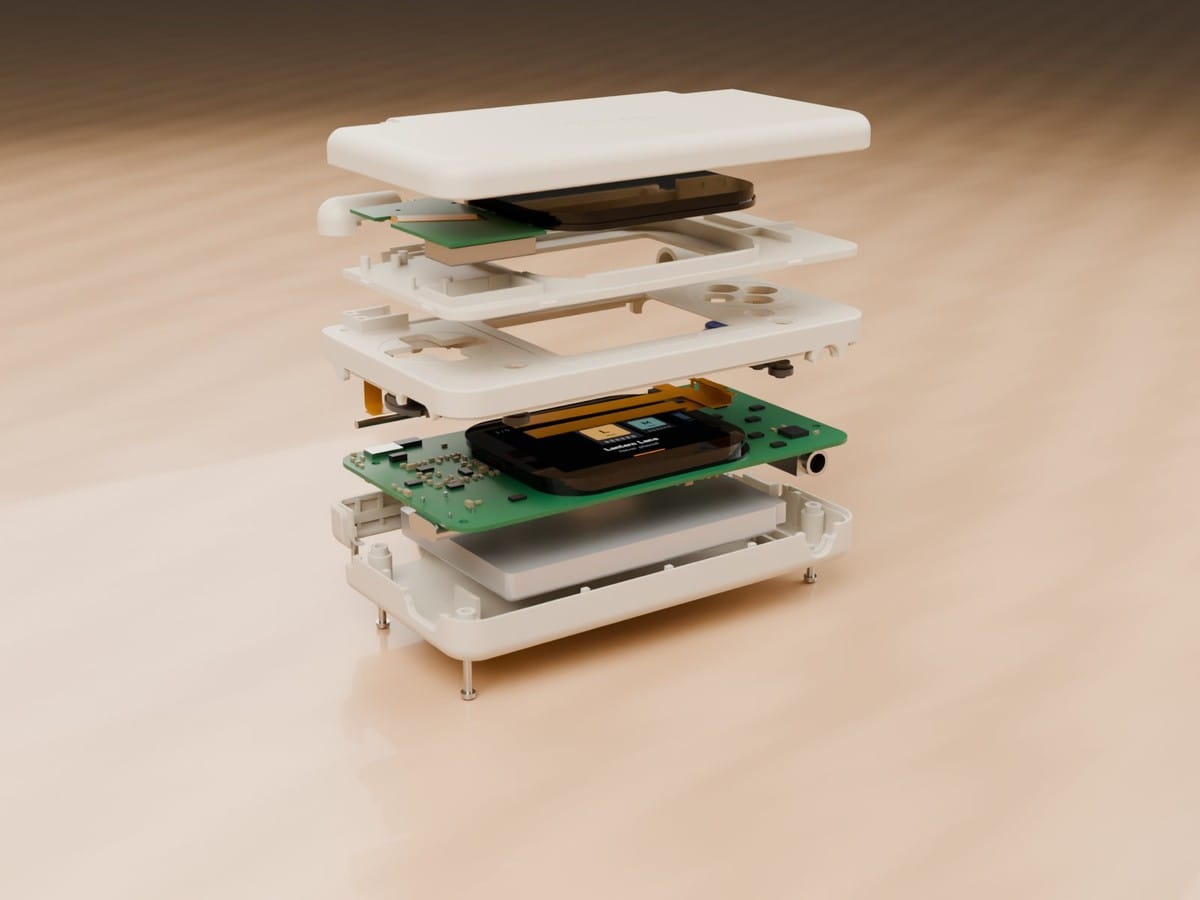
Getting this unit running required diagnosing two dead six-layer RevD.8 boards that refused to boot because solid copper ground vias pulled heat away during factory assembly, leaving the main processor's center ground pad unsoldered until it was reworked and verified under an X-ray. An earlier battery labeled 1,000 mAh also turned out to hold roughly 590 mAh in discharge testing, though it still managed just under three hours of DS gameplay at around 0.7W; the current prototype steps up to a 1,200 mAh cell that hasn't finished full endurance testing yet.
Plenty of rough edges remain before any production run happens. Speaker volume needs to double on the next board revision, automatic headphone jack detection isn't working in software yet, and the L and R triggers need about 1.5 times more travel in the next shell. Once the hardware settles, the developer plans to publish both the enclosure CAD/PCB files and the lilvo OS source code, though I'm curious what a dual-screen kit with custom coiled hinge cables will actually cost to manufacture at hobbyist scale.
Comments ()