
Socket is a new emulator frontend that turns ROMs into 3D cartridges
A new emulation frontend called Socket uses 3D models and custom animations to make digital game libraries feel like physical media.
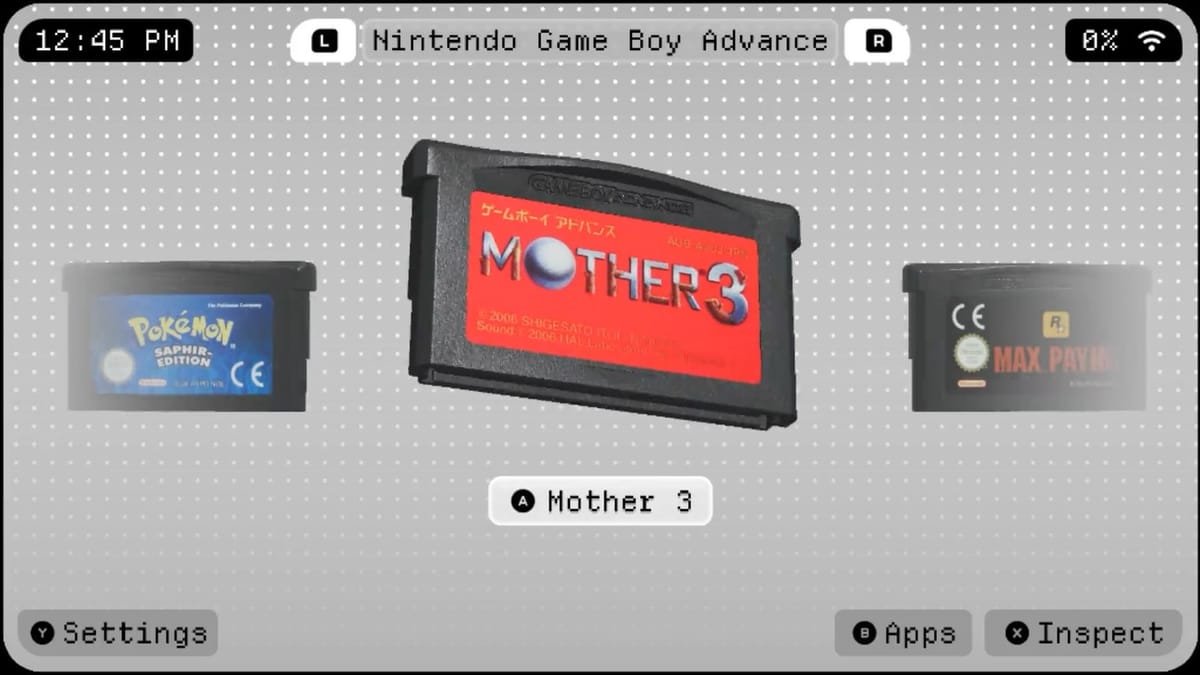
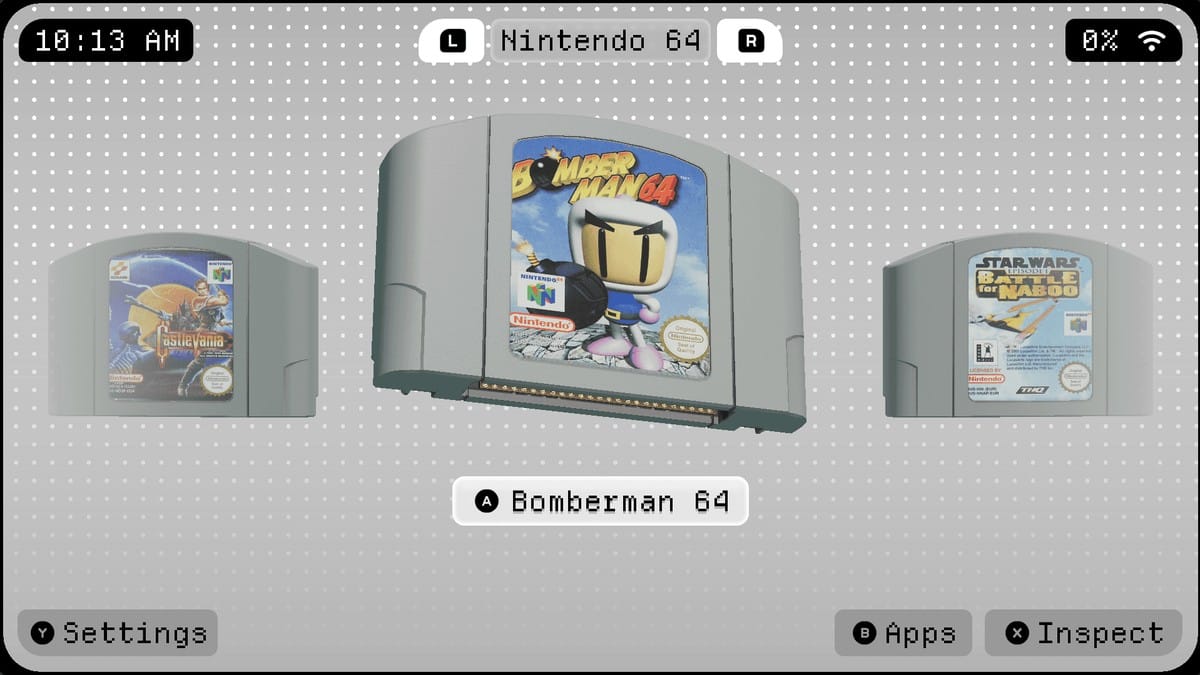
A new emulation frontend called Socket is launching with a focus on 3D artwork and tactile feedback. The software organizes game libraries with interactive 3D models of original cartridges and discs, complete with customizable stickers, custom sounds, and platform-specific insert animations.
The emulation community has spent the last two decades building increasingly complex ways to display game libraries. Early launchers in the late 1990s were just utilitarian text lists. Then came the era of media centers with Cover Flow, followed by heavy-duty database managers like LaunchBox, Batocera, and Pegasus. Those modern tools are incredibly powerful, but they are built to manage massive archives. They excel at organizing ten thousand ROMs into neat grids of 2D box art, complete with video snaps and digital manuals. Socket takes the opposite approach. It targets smaller, curated libraries and attempts to replicate the physical sensation of digging through a carrying case to find a specific game.
The tactile illusion
Each platform in Socket gets its own 3D representation. The software maps downloaded artwork onto 3D models of Game Boy cartridges, Super Nintendo shells, or PlayStation discs. When you select a game, the interface plays a custom animation of the media being inserted into the console alongside platform-specific audio cues. The goal is to bridge the gap between clicking a file name and slotting a physical cartridge into a piece of hardware.
It is a clever way to solve the oldest problem in retro gaming: spending three hours configuring an interface only to lose interest in actually playing anything. By making the selection process a physical-feeling interaction, the frontend turns the act of choosing a game into a toy itself.
Pointing to your emulators
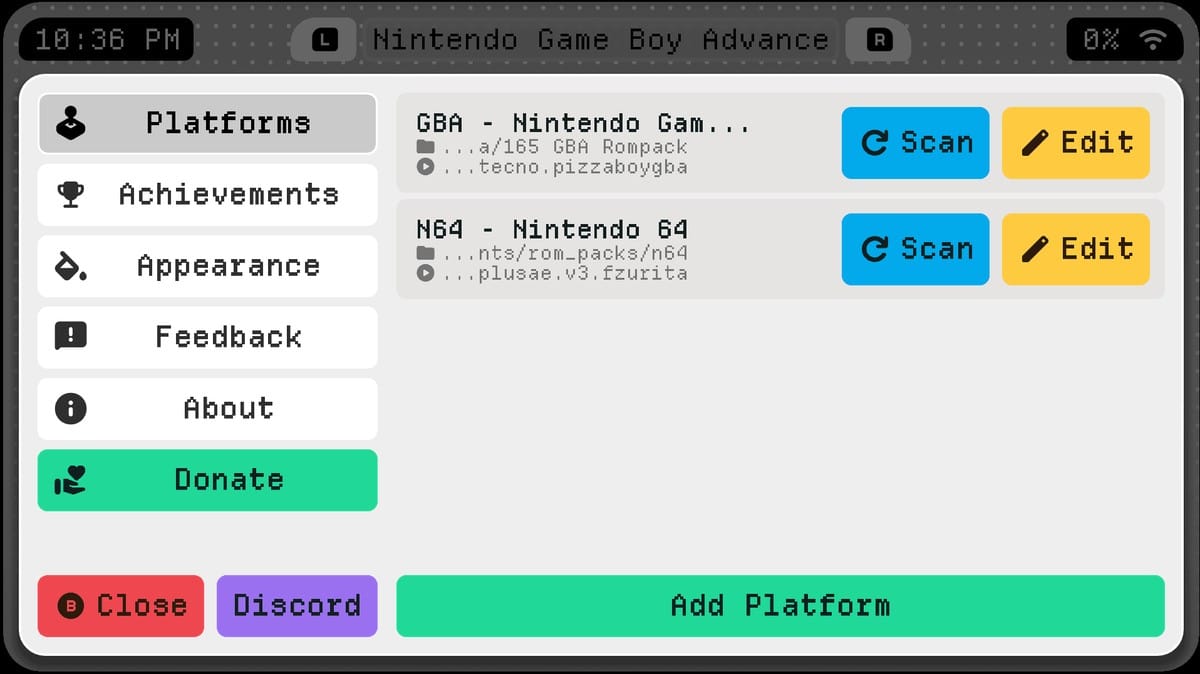
The setup process is straightforward. Users point the software to their game folders and select which installed emulators to use for each system. Socket detects the emulators already present on the host machine to streamline the configuration. From there, it automatically downloads the necessary artwork and applies it to the 3D models. The user retains the ability to customize the stickers if the automatic scraper pulls the wrong region or a fan-made label.
The interface relies heavily on community-sourced artwork to populate its 3D models. Because cartridge labels varied wildly between North American, European, and Japanese releases, the ability to swap stickers is a necessary inclusion. A Super Famicom cartridge looks completely different from its blocky North American counterpart, and the frontend accommodates those regional differences.
This automated scraping is standard for modern frontends. Applying that scraped data to 3D cartridge labels requires mapping 2D images onto complex geometry. Socket handles this behind the scenes. The software requires you to already have your emulators installed and configured on your device. It is strictly a launcher and visual layer, handing off the actual gameplay to standalone programs like RetroArch, DuckStation, or PCSX2.
Curating instead of hoarding
The shift toward tactile, limited-library frontends reflects a changing attitude in the retro gaming space. Storage is cheap enough now that downloading an entire console library takes minutes. The result is often choice paralysis. Scrolling through three thousand Super Nintendo games usually ends with the user playing Super Mario World for five minutes and turning the system off.
Socket encourages users to only load the games they actually intend to play. Treating digital files like physical objects gives them a sense of weight and presence that a simple text list cannot provide. For players who maintain a small rotation of current titles rather than hoarding complete regional collections, the 3D approach offers a much more engaging way to boot up a game.
Comments ()