
Smuggler's Run Prototype From July 2000 Surfaces Online
Hidden Palace has released a prototype of the PS2 launch-window classic Smuggler's Run, dating back to July 22, 2000.
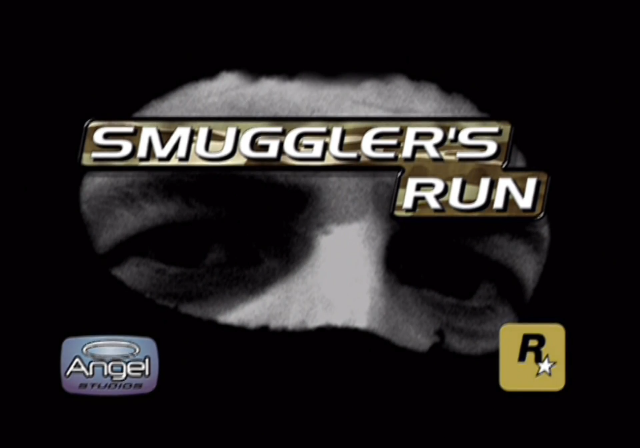
If you remember the launch of the PlayStation 2, you likely remember the distinct lack of games that weren't fireworks simulators or tech demos involving rubber ducks. Then there was Smuggler's Run. It was the game you rented because SSX was out of stock, only to realize that driving a dune buggy across a barren wasteland was actually quite fun.
As documented by Hidden Palace, a prototype of the vehicular combat game has surfaced online. The build is dated July 22, 2000. This places the software roughly three months before the game's North American release in October of that year.
Footage of the July 22, 2000 prototype in action.
Running the Border
According to the release data, this build runs on the Sony PlayStation 2 hardware. The timing of this prototype is significant for preservationists. July 2000 was the height of the pre-launch crunch for the PS2's Western release. Developers were scrambling to finalize code for a console that was notoriously difficult to program for.
Smuggler's Run was developed by Psygnosis and published by Sony Computer Entertainment. While Psygnosis is perhaps best known for the sleek, futuristic aesthetics of Wipeout, this title took a grimier approach. It focused on illegal smuggling missions in massive, open environments. It was an ambitious concept for launch hardware, relying heavily on the PS2's ability to render large distances without (too much) fog.
Why It Matters
Prototypes from this era are valuable because they strip away the polish of the final retail release. They often contain debug menus, uncompressed assets, or early physics tuning that didn't make the final cut. For a game focused on physics-based driving in a sandbox, seeing how the handling model evolved over those final three months provides a look into the iterative design process.
The discovery comes courtesy of Hidden Palace, a community dedicated to preserving video game history by archiving development media and prototypes. In an industry where source code is frequently lost or deleted to save server space, these binary artifacts are often the only record we have of how a game was made.
Comments ()