
Shmuplations just translated a wild 1989 interview with Miyamoto and Itoi
A newly translated 1989 interview reveals Shigeru Miyamoto predicting Animal Crossing and Shigesato Itoi roasting CD-ROM voice acting.
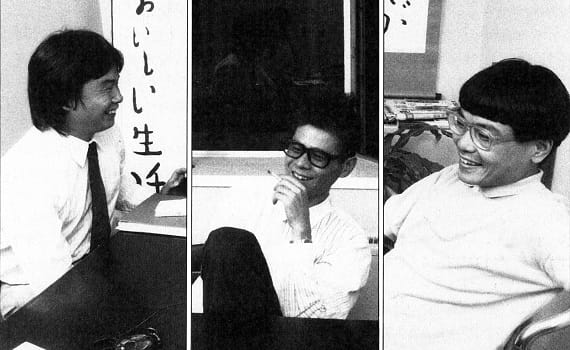
Game history archive Shmuplations has published a newly translated 1989 interview with Nintendo designer Shigeru Miyamoto and Mother creator Shigesato Itoi. The conversation originally appeared in the Japanese publication Gamer Handbook just months after the first Mother (known as EarthBound Beginnings in the West) hit the Famicom. Author Seikou Itou also joined the discussion.
Shmuplations is a one-person operation that translates rare Japanese developer interviews into English. The site has over 500 translated developer interviews in its archive. This specific piece is an absolute goldmine. The conversation took place before the Super Famicom existed, though the Game Boy had already been released. Yet Miyamoto spends a good chunk of the time accurately describing the next two decades of video game concepts.
Predicting Animal Crossing in 1989
Miyamoto outlines several ideas that sound entirely normal today but were science fiction in the late eighties. He describes a game where a player keeps a digital pet that eventually dies. He also pitches a concept where a player inputs something and checks back a month later to find it transformed. That is the core loop of Animal Crossing pitched 13 years before the GameCube release.
He even describes online competitive racing with scheduled matches, regional rankings, and strangers from Hokkaido who trash-talk each other over a network.
Voice acting ruins it
The PC Engine CD-ROM launched in Japan in December 1988. It beat the Sega CD to market by three years. Its main selling point was massive storage space for anime cutscenes and full voice acting.
Itoi completely dismisses it in this interview. He argues that hearing a distinct human voice ruins the player's ability to project themselves into the character. It is a harsh critique of what Sony and NEC were marketing as the future of the medium.
A look back at the original Famicom release of Mother.
The terror of the weak
The interview also covers specific game design choices. Itoi reveals that the final form of Giygas in Mother was meant to evoke Butoh. That is the Japanese "dance of darkness." He wanted the boss to look incredibly frail, like it would collapse if you barely touched it. He calls this concept "the terror of the weak."
Both creators also complain about players who try to optimize the fun out of everything. Itoi calls boasting about speed in games a sickness. They both express a deep love for the Frog Suit in Super Mario Bros. 3. The power-up is notoriously terrible on land because Mario just hops awkwardly. Miyamoto and Itoi love it specifically because it is useless. They think strategy guides telling players to avoid the Frog Suit miss the entire point of playing.
Interactive picture books
Miyamoto argues that "game realism" is not about visual fidelity. He points out that Mario's jumping is physically ridiculous. It works because the controls feel right to the player. He criticizes karate games that prioritize fluid animation over responsive controls. When players are in danger, they want to run immediately. They do not want to watch their character stroll smoothly.
Miyamoto then points to a 1988 Macintosh game called The Manhole as the future of computers. Robyn and Rand Miller built The Manhole using Apple's HyperCard software. It was a massive stack of linked black-and-white screens. They later used that exact same design philosophy to create Myst, which became the best-selling PC game of the 1990s.
Miyamoto describes The Manhole as a surreal interactive picture book where you slip down a manhole into an Alice in Wonderland world. He argues that the industry needs to stop calling these things "games" because the label artificially limits what interactive entertainment can be. He envisions virtual art museums where players can zoom in on painting textures.


Comments ()