
ReactOS 0.4.16 adds a new graphical installer and unified boot media
The open-source Windows NT alternative merges its LiveCD and BootCD images, overhauls kernel memory management, and rewrites its audio and storage drivers.
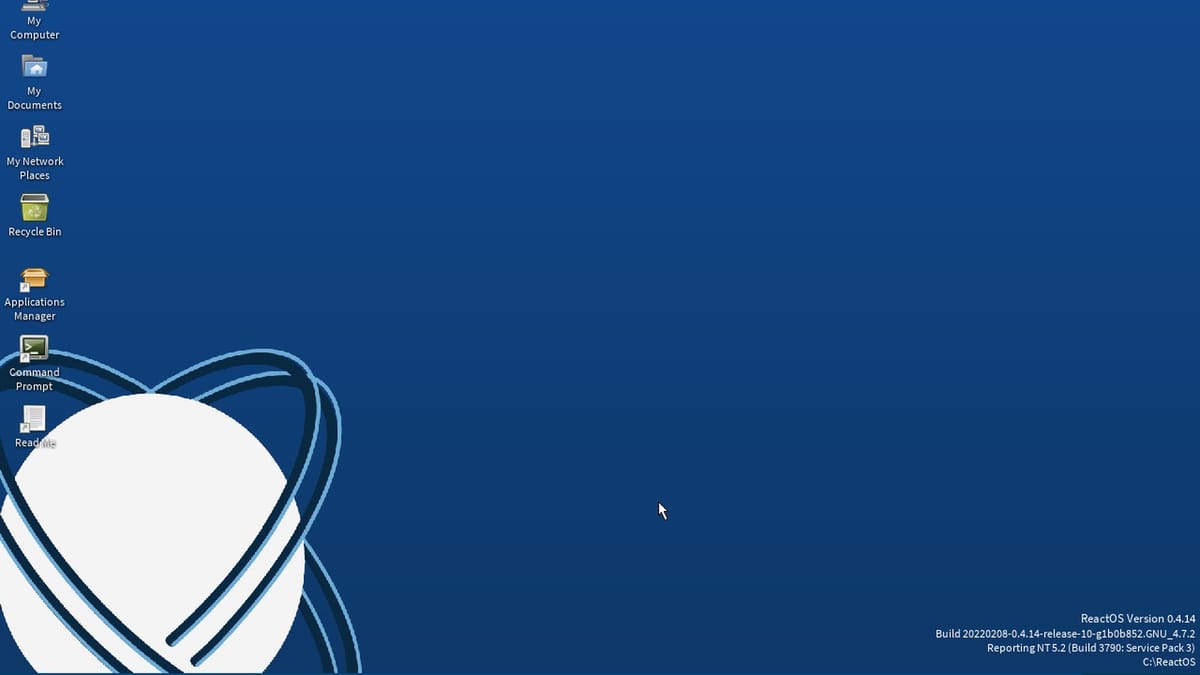
The ReactOS Foundation released ReactOS 0.4.16 on August 29. The update brings a new graphical installer and a unified boot image to the open-source operating system. According to OSNews, the release arrives after a year and a half of development and includes major overhauls to the video, audio, networking, and storage stacks.
ReactOS is a clean-room reimplementation of the Windows NT architecture, distributed for free under the GPLv2+ license. It started in 1996 as FreeWin95 before pivoting to the NT model in 1998. The goal is complete binary compatibility with Windows software and drivers on standard x86 PC hardware. It is a massive undertaking for a volunteer project. Version 0.4.16 arrives 17 months after the previous 0.4.15 release, and it shows exactly how deep into the system architecture the developers have to go to make things work.
Merging the boot media
For years, ReactOS distributed separate LiveCD and BootCD images. Version 0.4.16 merges them into a single all-in-one ISO. This unified media boots into a brand-new graphical setup installer that finally includes built-in partition management capabilities.
The installer also adds a new lightweight Server Core installation profile. This strips out the graphical shell entirely, leaving a command-line interface for users who want a minimal footprint. It is a niche use case for an already niche operating system, but it mirrors the installation options available in actual Windows Server deployments.
Storage and audio rewrites
Getting modern hardware to talk to a reverse-engineered NT kernel requires constant driver updates. The storage layer in 0.4.16 introduces a modernized ATA driver. This replaces the aging UniATA driver and improves support for SATA and AHCI controllers. Storage stability is foundational for an operating system, and moving away from UniATA brings ReactOS closer to modern hardware standards.
Audio also received a major rewrite. The system now uses a new Kernel-Mode Driver Framework (KMDF) High Definition Audio bus driver. This resolves system crashes that previously occurred across a wide range of sound hardware, including chips from Intel, Realtek, AMD, IDT, and SigmaTel.
Fixing NVIDIA and AMD graphics
Graphics stability is a notorious pain point for alternative operating systems. ReactOS 0.4.16 includes a kernel memory management overhaul designed to fix Page Table Entry starvation. This specific bug caused system instability when using third-party NVIDIA display drivers. The update also fixes an issue where OpenGL rendering would output a blank screen on AMD hardware.
The project frequently synchronizes userland components with the Wine project to maintain compatibility with Windows applications. Wine handles the translation layer for software, while the ReactOS team builds the actual NT kernel and driver subsystems underneath it. Between the third-party code syncs and the native kernel improvements, the changelog for this release covers thousands of commits.
I think the development team will always be chasing a moving target as Microsoft continues to update Windows. Complete parity might be impossible. Even so, the sheer volume of low-level fixes in 0.4.16 suggests ReactOS is slowly growing into a stable, usable operating system on its own terms.
Comments ()