
Protovision adds new-old-stock 5.25-inch floppy disks to its shop
Need blank media for a Commodore 1541 drive? Protovision is now selling factory-sealed 48 TPI double-density floppy disks from brands like Sony and Polaroid.
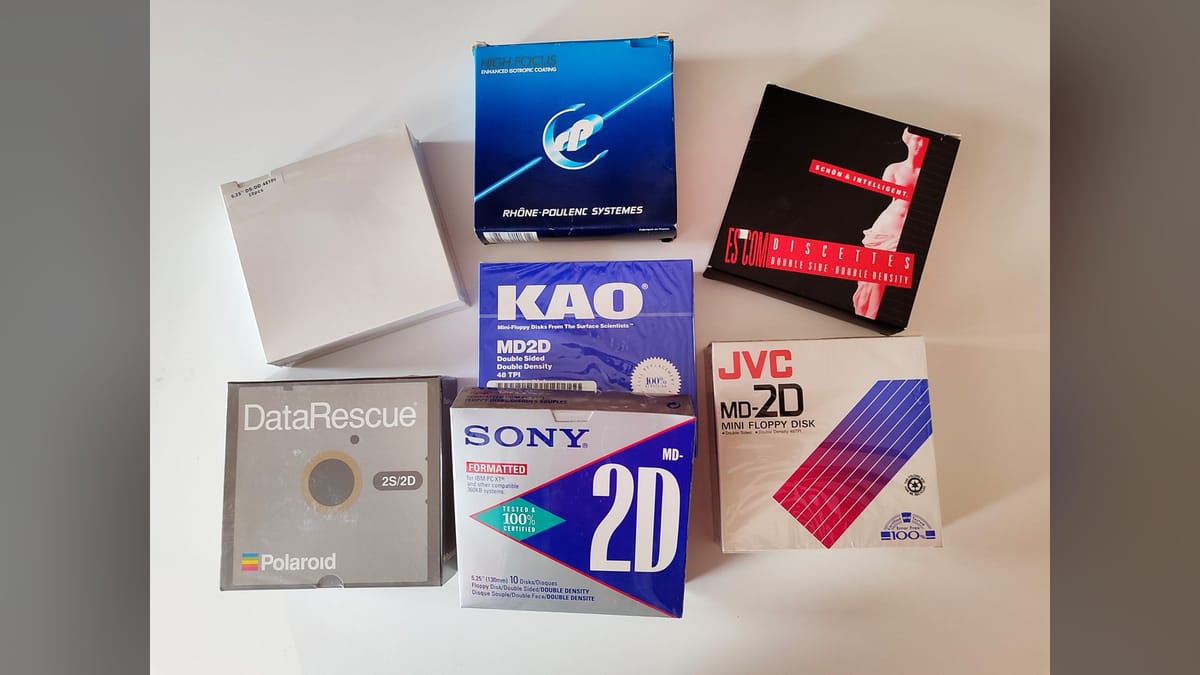
Commodore 64 publisher and hardware vendor Protovision has added a batch of new-old-stock 5.25-inch floppy disks to its online store, with many packs still in their original retail boxes or factory shrink-wrap. The stock includes vintage brand-name media from Sony, Polaroid, KAO, JVC, ESCOM, and RPS, alongside cheaper unbranded packs meant for everyday use.
Every disk in the batch is rated at 48 tracks per inch (TPI) and double density, which is the exact specification required by the Commodore 1541 and similar 1980s drives. Nobody is manufacturing new 5.25-inch magnetic media anymore, so anyone who needs fresh disks for an original drive is stuck hunting through remaining vintage surplus.
Why 48 TPI matters to a 1541 drive
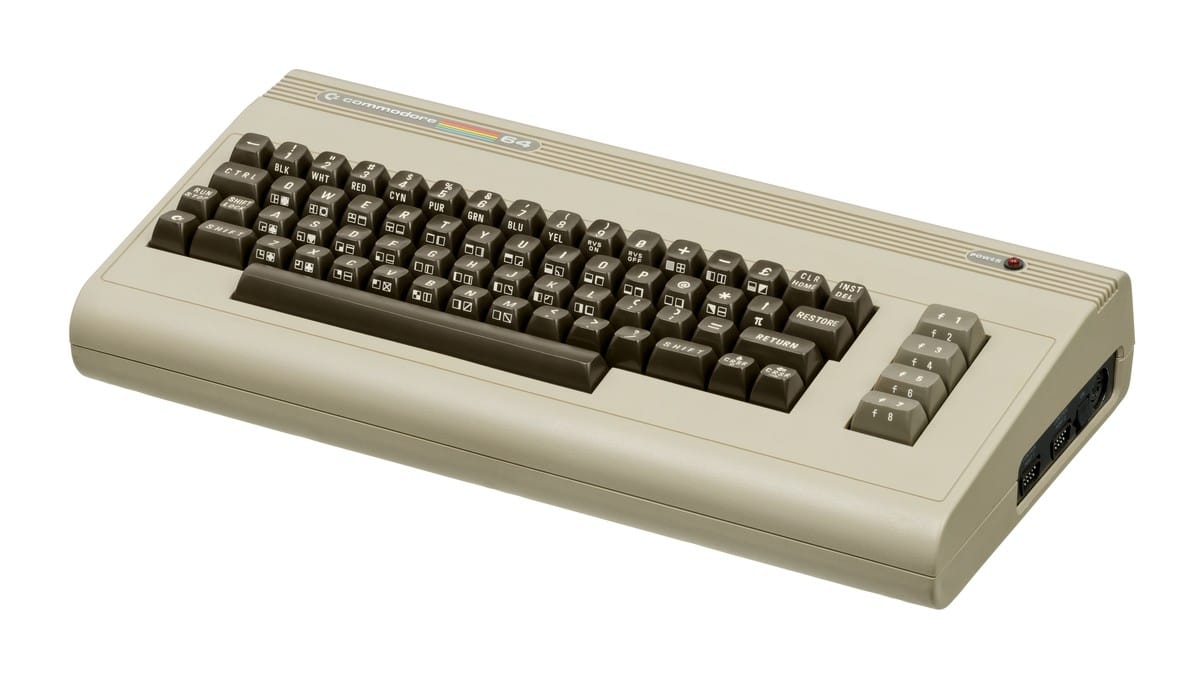
Buying blank 5.25-inch disks on secondary markets is usually a gamble because sellers frequently mix up double-density (DD) and high-density (HD) stock. That distinction matters a lot if you're trying to feed a Commodore 1541, which launched alongside the C64 in 1982 and writes roughly 170 KB per single-sided disk.
Later 1.2 MB high-density disks (rated at 96 TPI for IBM PC AT drives) use a different magnetic coating with a much higher coercivity of around 600 Oersteds, compared to the 300 Oersteds of standard double-density media. A stock 1541 head simply doesn't generate a strong enough magnetic field to reliably alter the surface of an HD disk. It might format and appear to save your data, only for the sectors to corrupt a few days later. Getting guaranteed 48 TPI double-density blanks skips that whole headache.
Thirty years of C64 hardware and a noisy drive head
Protovision has been keeping the C64 ecosystem running since 1996, when a group of demoscene and homebrew enthusiasts founded the label to publish new software and hardware for a computer that Commodore International had discontinued two years earlier. They're best known for publishing modern C64 games like 2017's Sam's Journey and 2023's A Pig Quest. Even in 2026, when most of their catalog ships on cartridges or runs off SD2IEC flash storage readers, they still support people running original disk setups.
I'm not sure how many buyers are actually going to rip the factory plastic off a pristine box of Polaroid or ESCOM disks just to copy homebrew demos, which is probably why the unbranded packs are the practical pick here. Used disks from forty years ago have a nasty habit of shedding their magnetic oxide coating directly onto the drive's read/write head, leaving you with a bottle of isopropyl alcohol, a cotton swab, and the familiar machine-gun rattle of a 1541 banging its head against the mechanical stop at track zero. Clean, unmagnetized stock that hasn't spent three decades gathering mildew in an attic is the easiest way to keep those drives reading cleanly.


Comments ()