
Nintendo Switch 2 hits 26.35M units as Q2 operating profit jumps 49%
Nintendo's Q2 FY27 results show Switch 2 hardware cooling to 6.49M units for the half, while Tomodachi Life and a $300M tariff refund send profits soaring.
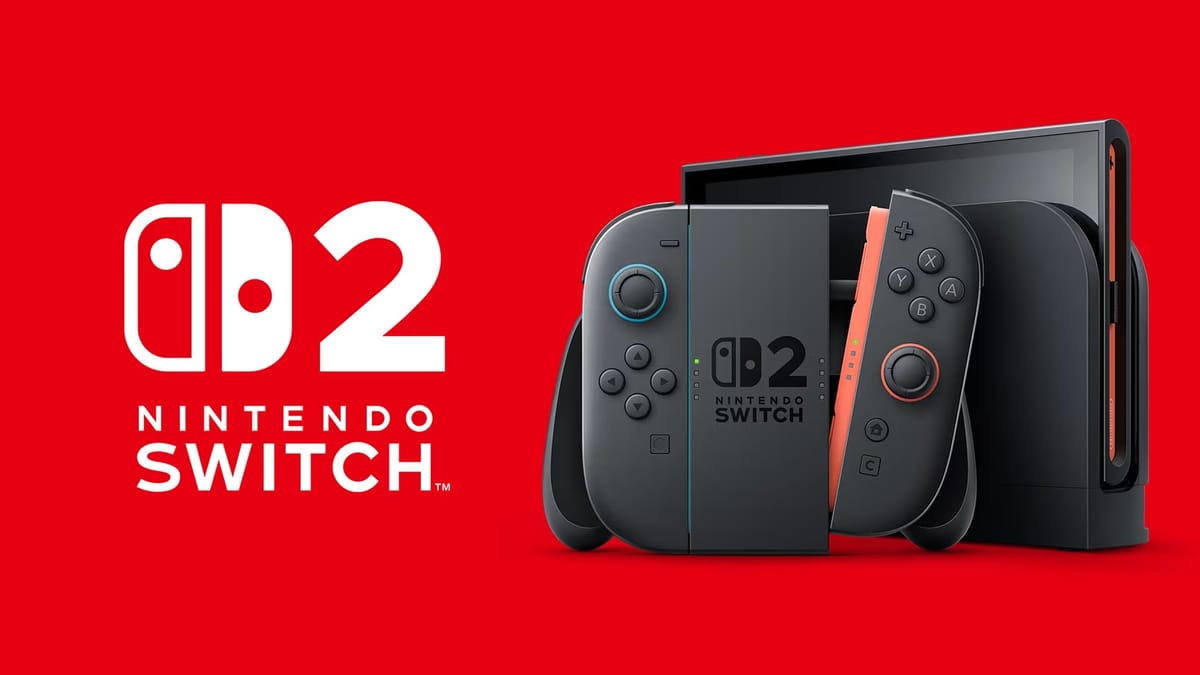
Nintendo released its financial results for the first half of the fiscal year ending March 2027 (covering April 1 to September 30, 2026), pushing lifetime Nintendo Switch 2 shipments to 26.35 million units while operating profit jumped 49.1% year-on-year to 216.5 billion yen. Net sales for the six-month period dipped 12.1% to 966.0 billion yen as the console settled into its second year on the market, though net profit still climbed 11.0% to 220.9 billion yen.
Making 49% more operating profit while total revenue drops by double digits is a neat accounting trick, and it comes down to two things: high-margin software and a massive check from the U.S. Government. Nintendo recorded roughly $300 million as a reduction in its cost of sales during the first quarter thanks to refunds on International Emergency Economic Powers Act (IEEPA) tariffs. Because Nintendo had absorbed those tariff costs internally rather than raising retail hardware prices for consumers, the refund went straight into the company's gross profit, helping push its gross profit margin up 14.2 percentage points to 50.4%.
Two consoles and a $300 million refund
Hardware shipments cooled off compared to last year's massive Switch 2 launch window. Nintendo moved 6.49 million Switch 2 consoles between April and September, a 37.4% drop from the 10.36 million units it shipped during the same period last year. Meanwhile, the original 2017 Nintendo Switch is still limping toward the finish line, adding another 1.27 million units (down 32.7% year-on-year) to reach 157.20 million lifetime sales.
The nine-year-old hybrid console is now practically breathing down the neck of the PlayStation 2, and I'm curious whether Nintendo will keep manufacturing the base model just long enough to claim the all-time hardware crown. Nintendo is keeping its full-year forecast unchanged from the guidance it first set in May 2026, projecting 16.50 million Switch 2 units and 2.00 million original Switch units for the full fiscal year, even while factoring in a 100.0 billion yen hit to its cost of sales from tariffs and rising memory chip prices.
The 2017 Switch isn't done printing money
Software carried the half-year, and the funniest twist on the balance sheet is that the biggest game of 2026 isn't even a Switch 2 title. Tomodachi Life: Living the Dream launched on the original Switch in April and sold 8.81 million copies by the end of September (8.83 million including early shipments recorded in the prior fiscal year), single-handedly proving that people still want to watch their Mii characters get into deeply weird soap opera drama more than a decade after the 3DS entry.
Another long-dormant series returned on the older hardware in July: Rhythm Heaven Groove, the first entry since 2015's Rhythm Heaven Megamix, moved 2.89 million copies, with 2.13 million of those sold in Japan alone. Total original Switch software sales actually rose 6.8% year-on-year to 65.73 million units. Over on Switch 2, software sales grew 18.8% to 24.49 million units, led by July's Splatoon Raiders at 2.42 million copies and Mario Kart World, which added 1.78 million units to bring its lifetime total to 16.48 million. First-party April releases Fire Emblem: Fortune's Weave (1.34 million) and a new Star Fox (1.17 million) also crossed the million-seller mark, while digital revenue across both platforms surged 60.5% to 249.6 billion yen, making up 60.7% of all software revenue.
Zelda, Metroid, and a very crowded calendar
Outside of games, IP-related income jumped 87.9% year-on-year to 62.7 billion yen, driven by theater and home video revenue from The Super Mario Galaxy Movie. Looking ahead, the release schedule tucked into the back of the earnings report is stacked for Switch 2 owners.
The Legend of Zelda: Ocarina of Time arrives on Switch 2 today, November 5, followed by a Pikmin 4 Switch 2 Edition on November 12 and Xenoblade Chronicles 3's upgraded edition on December 3. Looking into early next year, Metroid Ravenous is slated for January 28, 2027, Hyrule Warriors: Age of Calamity - Definitive Edition lands on February 25, and Kirby and the World Beyond is set for Spring 2027, alongside broader 2027 windows for Pokémon Winds, Pokémon Waves, and Xenoblade Genesis. I want to see how much of a generational leap Metroid Ravenous and Xenoblade Genesis actually pull off once Nintendo stops splitting its attention between two console generations.

Comments ()