
Analogue 3D firmware 1.7.0 adds Unleashed+ overclocking and True Color
Analogue 3D OS firmware 1.7.0 is live with an experimental Unleashed+ overclocking profile, 32-bit True Color output, and wired Virtual Controller Pak support.
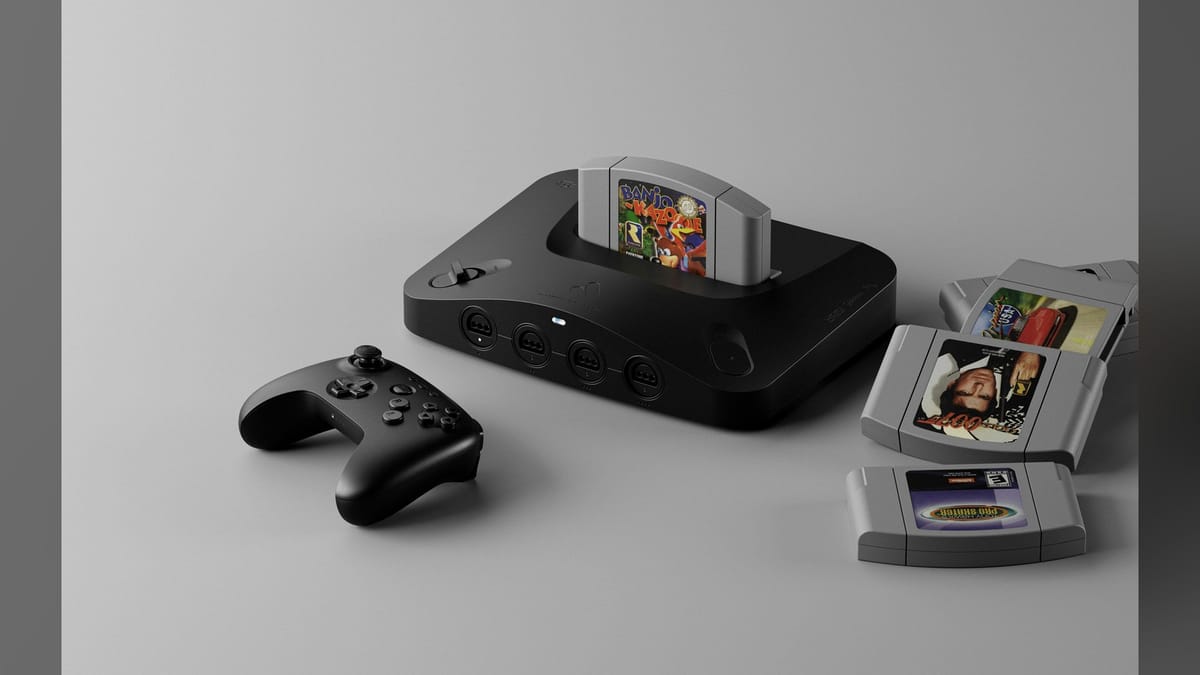
Analogue has released 3D OS firmware 1.7.0 for the Analogue 3D today, adding an experimental "Unleashed+" overclocking profile, a 32-bit color pipeline, and Virtual Controller Pak support for wired original gamepads. Owners who already installed the recent 1.6.x update should be able to pull this new release wirelessly over Wi-Fi, skipping the routine of walking the SD card back and forth to a PC.
Built around an Intel Cyclone 10 GX FPGA rather than software emulation, the $269.99 console started shipping to preorder buyers in November 2025 after nearly four years of circuit-level engineering. Analogue's steady patches over the past year have added save states, horizontal upscaling, and finally over-the-air updates last week (even if Analogue's main product page still carries a lingering footnote claiming Wi-Fi updates are "coming soon"). Version 1.7.0 goes straight after the 1996 Nintendo 64's two biggest hardware headaches: memory bandwidth choke points and muddy 16-bit video.
Bypassing the N64's RDRAM bottleneck
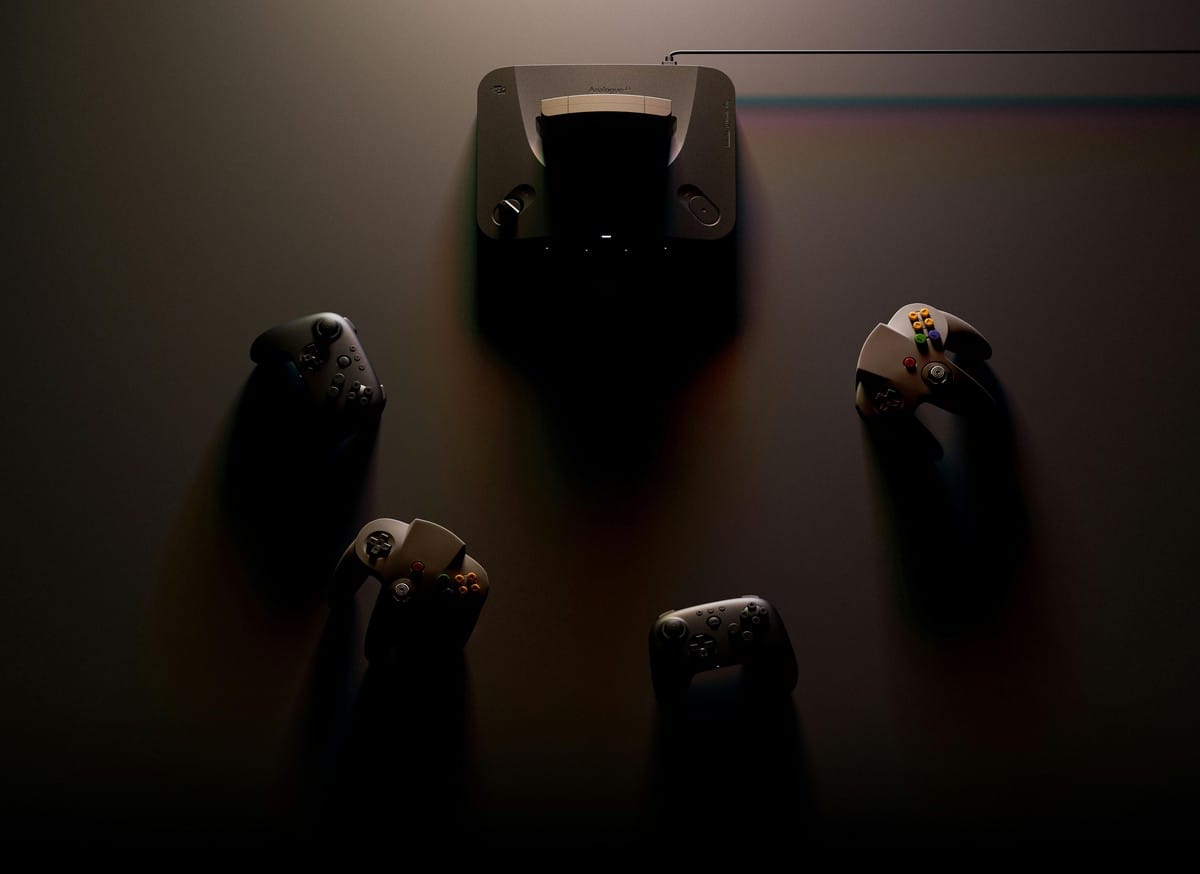
Nintendo's original 64-bit architecture forced the CPU, Reality Signal Processor (RSP), and Reality Display Processor (RDP) to share high-latency RDRAM, which is a big reason ambitious late-era games frequently tanked into single-digit framerates. The new Unleashed+ profile attacks that bottleneck across all four subsystems at once.
On the CPU side, it expands read and write buffer capacities and decouples instruction and data pipeline interlocks, letting the chip handle simultaneous, independent memory access across a full 64-bit path to RDRAM. Most notably, the RDP can now render pixels directly to the Analogue 3D's onboard DDR memory, bypassing the legacy RDRAM transfer pipeline entirely. Larger Direct Memory Access (DMA) transfer blocks boost throughput for the RSP and video subsystems, and predictive request pre-processing trims RDRAM read latencies.
Analogue flags Unleashed+ as experimental and warns that some cartridges may behave strangely when pushed past original timing rules. I'm curious to see how infamously choppy games like Perfect Dark or four-player GoldenEye 007 respond to direct DDR pixel rendering before physics or audio sync starts complaining.
Cleaner gradients and a Daikatana fix, because somebody asked
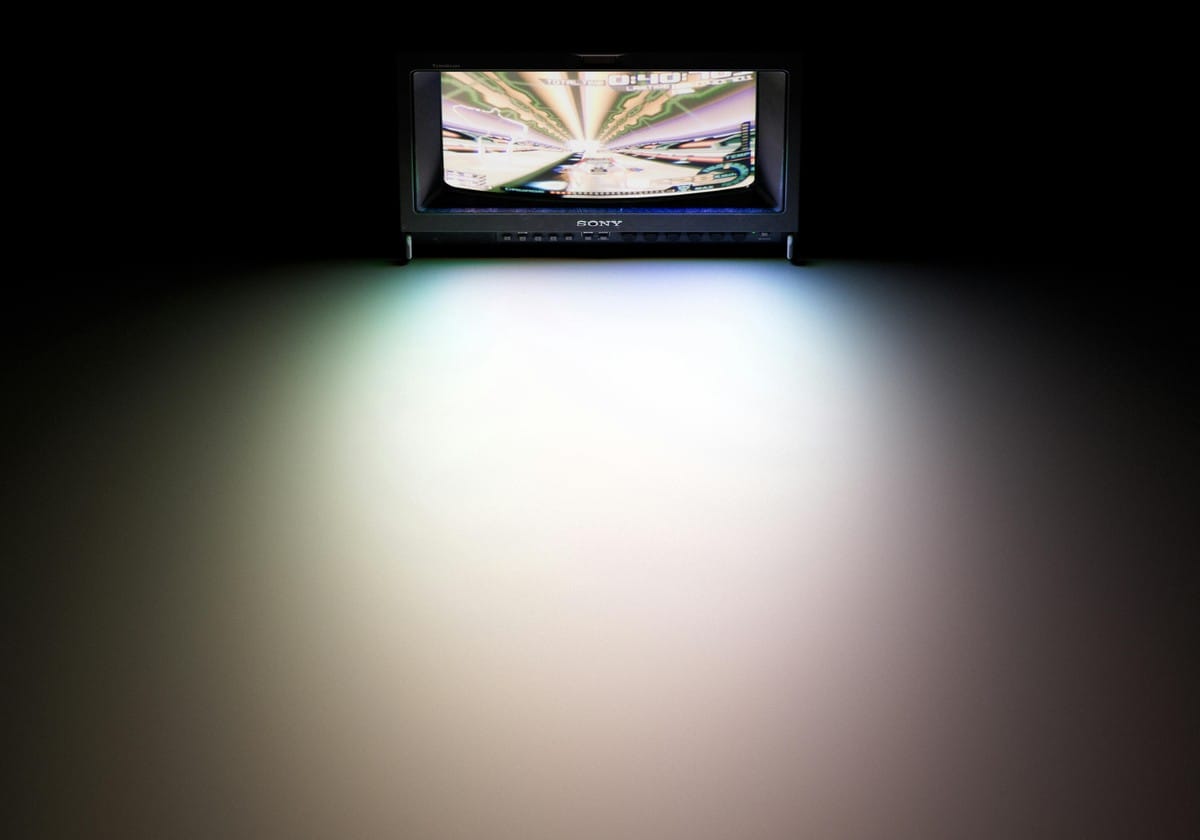
Visual output gets two upgrades in 1.7.0. "True Color" is a new pipeline that turns on automatically when 32-bit Color is selected, preserving full 32-bit alpha precision and stripping out the checkerboard 16-bit dithering patterns that hang over N64 fog and skyboxes. There's also a per-game Color Temperature toggle aimed at recreating the cooler 9300K white point and phosphor response of Japanese consumer CRTs, so import cartridges don't look overly warm on modern 4K displays.
Original wired N64 controllers can now use the console's internal Virtual Controller Pak, sparing collectors from trusting 30-year-old battery-backed memory cards that lose save data if you look at them wrong, or shelling out $39.99 for an 8BitDo 64 Bluetooth pad just to get virtual saves.
Rounding out the patch notes are low-level FPGA core refinements to COP0 registers, TLB behavior, PIF controller polling, IMEM/DMEM DMA timing, and address-space handling, alongside a fix for a 32-bit color and transparency regression. Analogue also squashed two ultra-specific bugs in year-2000 Japanese releases: a controller glitch in Visco's fishing sim Bass Rush: ECOGEAR PowerWorm Championship and an issue with Kemco's heavily reworked N64 port of John Romero's Daikatana. Preserving the entire N64 library at the transistor level apparently means making sure even Daikatana runs without a hitch, which feels like an extraordinary test of engineering commitment.

Comments ()