
Moss is ditching VR for a flatscreen release this summer
Polyarc is combining Moss and Moss: Book II into a single non-VR adventure for PC and consoles.
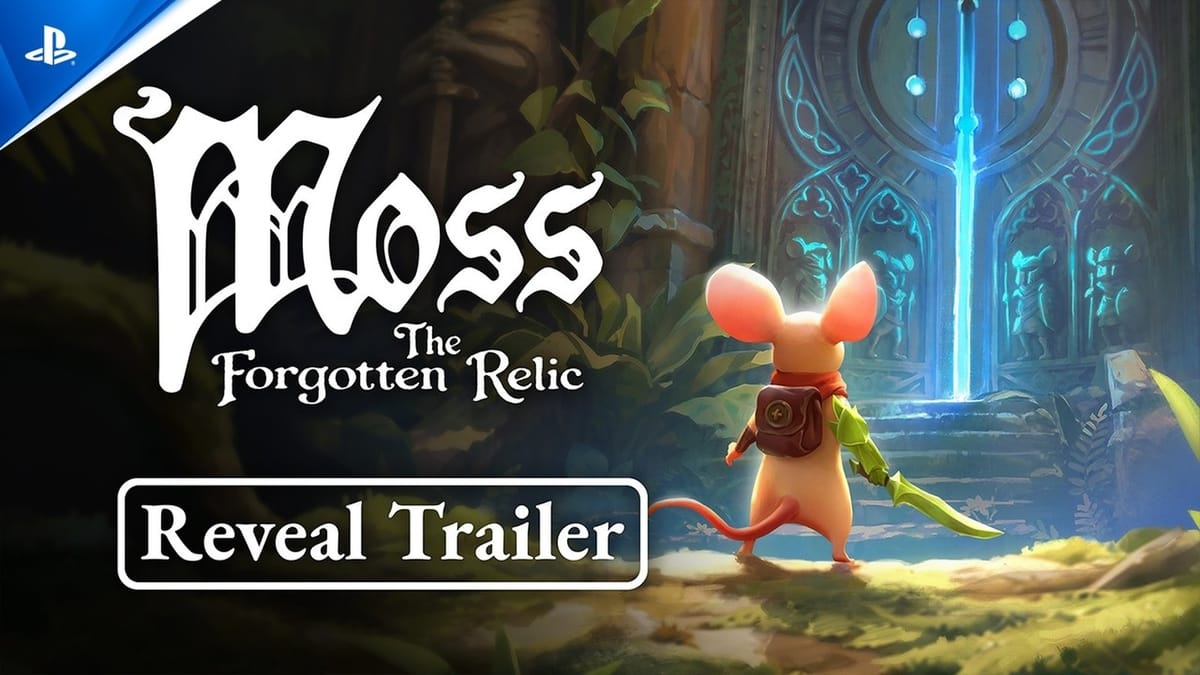
Polyarc is bringing its VR puzzle-platformers to traditional displays this summer with Moss: The Forgotten Relic. The release combines 2018's Moss and 2022's Moss: Book II into a single continuous adventure that drops the headset requirement entirely.
The reveal trailer debuted on PlayStation's channel with a PS5 logo, but the game is a multiplatform release. Polyarc confirmed it is also launching on PC, Xbox Series X|S, Nintendo Switch, and the upcoming Switch 2.
Out of the headset
The original games were built specifically for virtual reality platforms like PlayStation VR and Meta Quest. They utilized a unique dual-character control scheme. You played as "the Reader," a towering spectral figure who guided a tiny mouse named Quill through diorama-like environments. The gameplay required you to control Quill directly with analog sticks while physically reaching into the world with motion controllers to move massive obstacles, solve environmental puzzles, and heal her during combat.
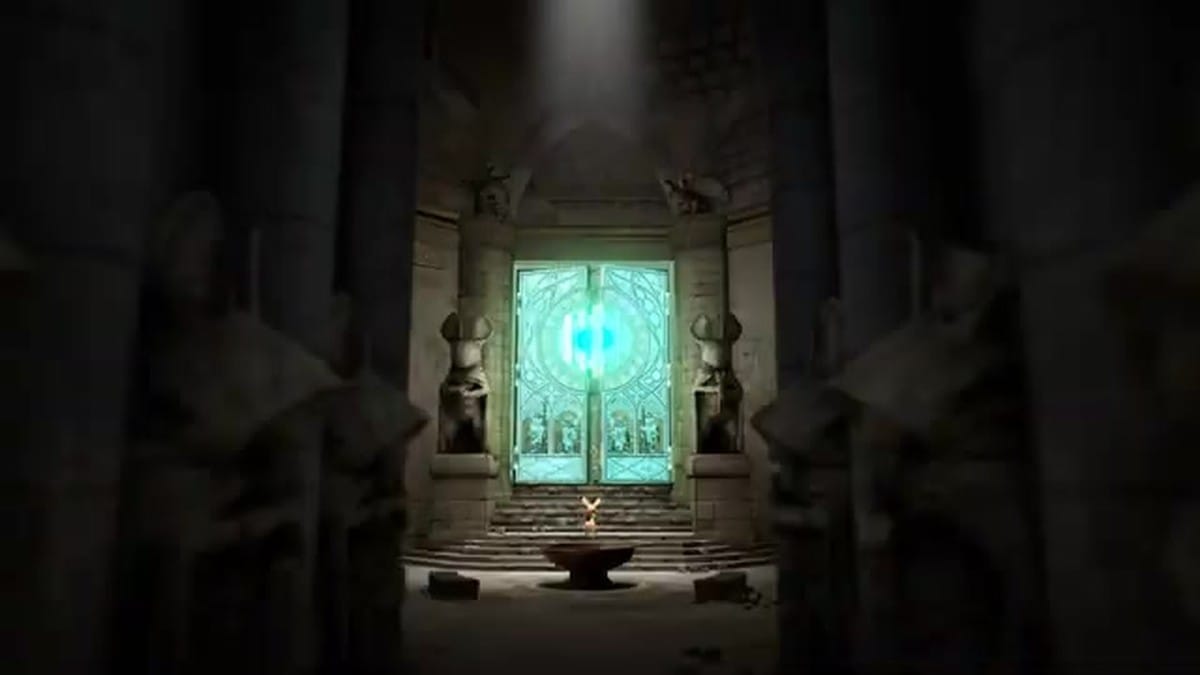
Translating that dual-control scheme to a standard gamepad is the main draw here. Polyarc had to map the physical, spatial interactions of VR to traditional buttons and thumbsticks. This release provides a workaround for anyone who skipped the series due to VR-induced headaches or a simple preference for playing games on a television.
The transition to flatscreens also means higher resolution output. The environments in Moss were always detailed, but they were limited by the display resolution of early VR headsets. Playing on a modern console or PC allows the intricate, miniature worlds to render with much sharper textures and improved lighting. Wide shots of a sun-drenched library and Quill interacting with a giant glowing mask look incredibly crisp.
One seamless story
Instead of bundling two separate games in a menu, Polyarc is treating The Forgotten Relic as a unified release. The two books form one long campaign. The story follows Quill as she leaves her home to rescue her uncle and battle the Arcane, a dark force trying to rewrite the fate of her world. The narrative maintains the fourth-wall-breaking style of the originals. The narrator directly addresses the player and asks them to help finish the tale.
The collection also adds a few modern quality-of-life updates. The most notable addition is an optional toggle to skip combat encounters entirely. The combat in the original VR releases could occasionally feel clunky compared to the much stronger puzzle design. Letting players bypass the sword fights to focus on exploring the ruined, overgrown kingdom is a smart addition.
A path off the hardware island
The virtual reality market has a severe game preservation problem. Software tied to specific headset tracking systems or motion controllers often becomes unplayable when that hardware is discontinued. The original PlayStation VR headset is already a dead platform, and backward compatibility in the VR space is notoriously spotty.
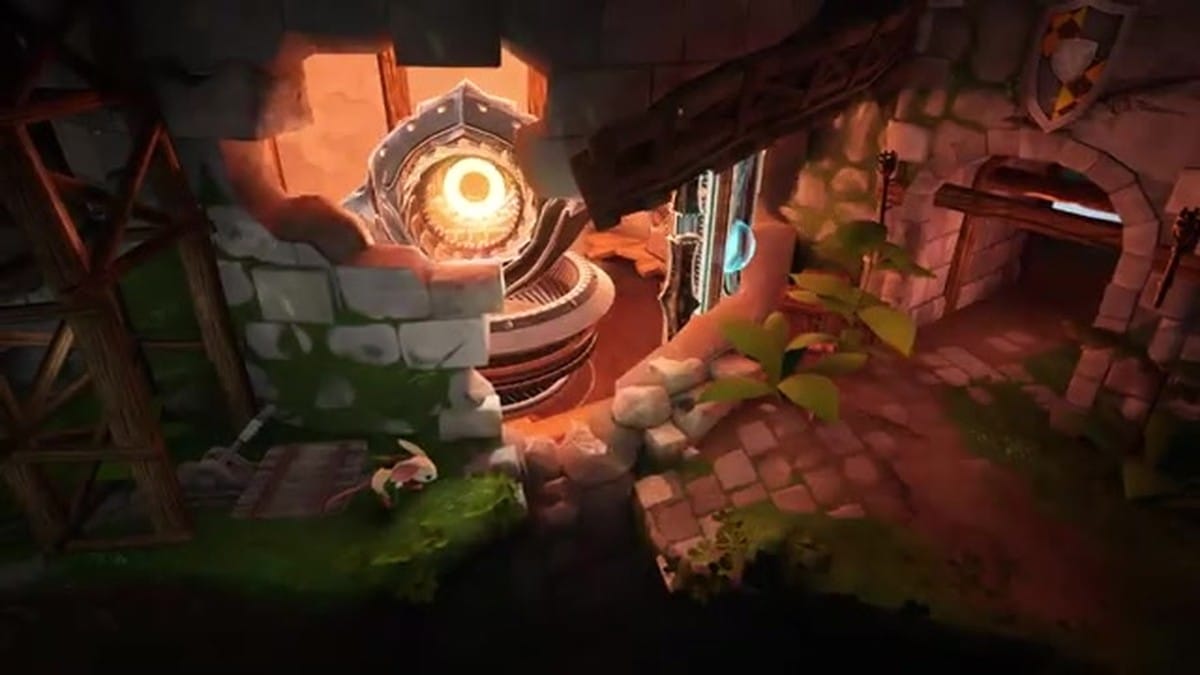
By rebuilding Moss for standard displays, Polyarc is removing the hardware barrier entirely. The diorama perspective of the original games translates naturally to a standard camera view. The sense of scale will change without stereoscopic 3D, but the core puzzle-platforming mechanics remain intact. Quill's animations, like her high-fiving the player after solving a puzzle, will now play out on a flat screen.
Porting a VR game to standard screens takes a massive amount of UI and control rework. It is a rare move for a studio to make. Doing the work now guarantees Quill's journey will survive into the next console generation and reach a much larger audience.
Comments ()