
Jotego adds Mega Zone, Kickle Cubele, and CRT updates to FPGA beta
Two 1980s arcade games enter beta for MiSTer and Analogue Pocket alongside CRT display modes, CPS1 audio fixes, and a 300-game hardware regression setup.
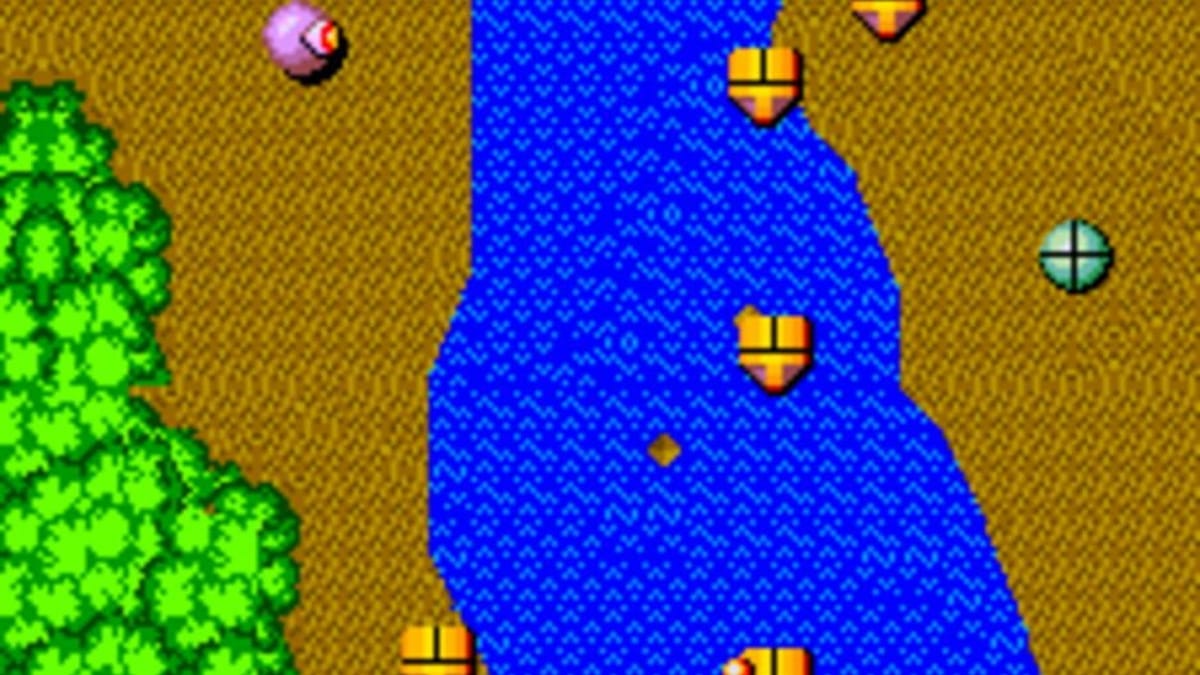
Arcade FPGA developer José Tejada Gómez, better known as Jotego, has added Konami's 1983 shooter Mega Zone and Irem's 1988 action-puzzler Kickle Cubele to his beta lineup for MiSTer FPGA and Analogue Pocket, alongside a batch of CRT display and CPS1 audio updates. Compiled beta binaries go out first to Patreon backers starting at $5 per month before joining the public distribution, while the Verilog source code lives in the open-source JTCORES repository on GitHub.
Ulf Skutnabba built the Mega Zone core using an original Konami GX319 circuit board to verify behavior directly against real hardware. Released in Japanese arcades in March 1983, the vertical shooter puts players in an amphibious rocket tank along branching river paths, collecting power pods to combine two tanks into one stronger vehicle, with hidden ROM credits tying the game to future Contra lead Koji Hiroshita and Ghosts 'n Goblins creator Tokuro Fujiwara. After decades with almost no home presence outside Xbox 360's defunct Game Room service, Mega Zone has had a busy 2026: Hamster brought it to modern consoles via Arcade Archives on February 12, and now it runs on cycle-accurate FPGA setups too.
The second beta addition, Kickle Cubele (Meikyu Jima in Japan), comes from contributor Andrea Bogazzi, who derived the new core from JTCORES' existing Vigilante implementation. Most North American players probably know the game better from its 1990 NES port (spelled Kickle Cubicle on the cartridge), where you freeze enemies into ice blocks and slide them across rooms to build bridges or smash hazards.
60 Hz compromises and a giant menu
Following a community poll asking backers where the project should go next, Jotego is prioritizing CRT compatibility and maintenance on existing Capcom CPS cores. Sega System 18 games on MiSTer and SiDi128 now boot into a selectable 60 Hz video mode that centers the image better and plays nicer with standard consumer CRTs, though the original board timing remains an option. Games run about 5% faster in the 60 Hz mode, yet the music pitch stays unchanged, which spares everyone from accidental chipmunk soundtracks.
Williams Electronics' NARC also picked up a separate 15 kHz 480i MRA file from contributor Chris Watson, adding height and deflicker controls so the medium-resolution game works on standard-resolution CRT monitors. On MiSTer, horizontal CRT scaling now keeps the on-screen display visible while stretching the picture, which accidentally makes the menu itself balloon in size along with the game. Jotego kept the quirk because he likes how it looks, though he offered to revert it to a fixed size if players hate it. Elsewhere, CPS1 cores received corrected PCM sound filters to restore high-frequency detail, Kyukyoku Tiger and Wardner on Analogue Pocket got pixel clock fixes matching their original 7 MHz rate, and MiSTer users can disable the DB15 Start + Button 3 menu shortcut so Marvel vs. Capcom players stop triggering the OSD mid-match.
Three test boards and no AI shortcuts
The rest of the update pulls back the curtain on how Jotego's Valencia lab is shifting from pure core creation toward automated hardware verification. After abandoning an unreliable GitHub simulation setup last summer and outgrowing a SiDi128 test rig, the team is migrating an automated regression suite to MiSTer that runs over 300 games on real FPGA hardware for roughly one minute each, comparing the output against golden references. It still needs two to three weeks of setup, and fresh CPS1 PCB audio measurements using custom Street Fighter II test firmware are another two to three days out.
Jotego also addressed reader debate around AI-assisted core development with blunt skepticism about where the bottlenecks actually sit. "Anyone can pay an AI to create the core," he wrote, arguing that hardware validation and building custom measurement rigs (three new test PCBs since the last post alone) are the real work now. As for using AI to extract schematics from physical arcade boards? He says it's partly possible, "neither faster nor cheaper" than a human engineer today, which sounds comforting right up until you remember a human still has to trace forty-year-old copper lines by hand. I'm curious to see how many hidden bugs that 300-game MiSTer gauntlet catches once it's running full tilt.
Comments ()