
Hidden Palace unearths lost Beavis and Butt-Head Do Hollywood prototypes
Video game preservation group Hidden Palace has released multiple builds of the cancelled Beavis and Butt-Head Do Hollywood game.
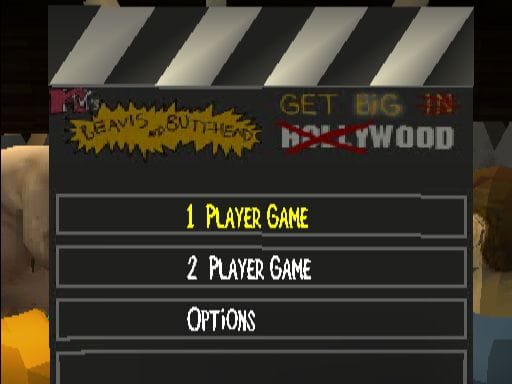
Video game preservation group Hidden Palace has released multiple development builds of the cancelled title Beavis and Butt-Head Do Hollywood. As announced in a post on Bluesky, the release includes several iterations of the long-lost game which were contributed by community member Billscat-socks.
The discovery marks a significant moment for fans of 1990s licensed games and MTV history. While rumors and brief mentions of the title have circulated in collector circles for years, concrete playable code has remained elusive until now. The release provides a rare window into a project that was intended to capitalize on the massive popularity of Mike Judge's animated duo during their peak cultural relevance.
The Great Cornholio's Lost Adventure
The title Beavis and Butt-Head Do Hollywood suggests a thematic link to the 1996 feature film Beavis and Butt-Head Do America. During this era, the franchise saw a variety of video game adaptations ranging from the surprisingly competent point-and-click adventure Virtual Stupidity on PC to the side-scrolling action titles on the Super Nintendo and Sega Genesis. These console iterations were infamous for their punishing difficulty and the GWAR-centric plotlines that baffled parents and delighted teenagers.
Licensed games from the mid-to-late 90s occupy a strange place in gaming history. Publishers often rushed these titles to market to coincide with theatrical releases or season premieres, resulting in development cycles that were chaotic and frequently cut short. A game like Do Hollywood likely fell victim to the shifting sands of publisher priorities or the transition between console generations. Seeing it resurface now allows historians to piece together what the developers were attempting to achieve before the project was shelved.
Preserving the Rough Drafts
Hidden Palace has established itself as a premier force in the world of digital archaeology. The group is perhaps best known for "Project Deluge," a massive initiative that archived thousands of prototypes and unreleased builds for systems like the PlayStation 2, Dreamcast, and original Xbox. Their work emphasizes that game history is not just about the polished retail products that sit on shelves. It is also about the broken code, the placeholder assets, and the abandoned concepts that never saw the light of day.
The significance of finding multiple builds of a single unreleased game cannot be overstated. A single prototype offers a snapshot in time, but a series of builds provides a timeline. It allows researchers to observe the iterative process of development. They can see mechanics being added or removed, levels being refined, and the struggle to optimize performance on target hardware. It turns a static curiosity into a documented history of labor.
For the average player, these builds might be curiosities filled with bugs and unfinished geometry. For preservationists, they are primary source documents. They reveal the technical constraints developers faced and the design trends that dominated the industry at the time. In the case of Beavis and Butt-Head, it also serves as a time capsule of 90s attitude, preserving a specific brand of humor that defined a generation of MTV viewers.
The files are now available for analysis by the community. While they may not offer a complete gaming experience, they ensure that the work put into Beavis and Butt-Head Do Hollywood is finally acknowledged rather than vanishing into the landfill of history.
Comments ()