
GammaOS Nano 1.4.2 hits the Anbernic RG DS Plus
The custom firmware strips out Google Services and boots straight to a DSi-style menu to keep the 1GB handheld moving.
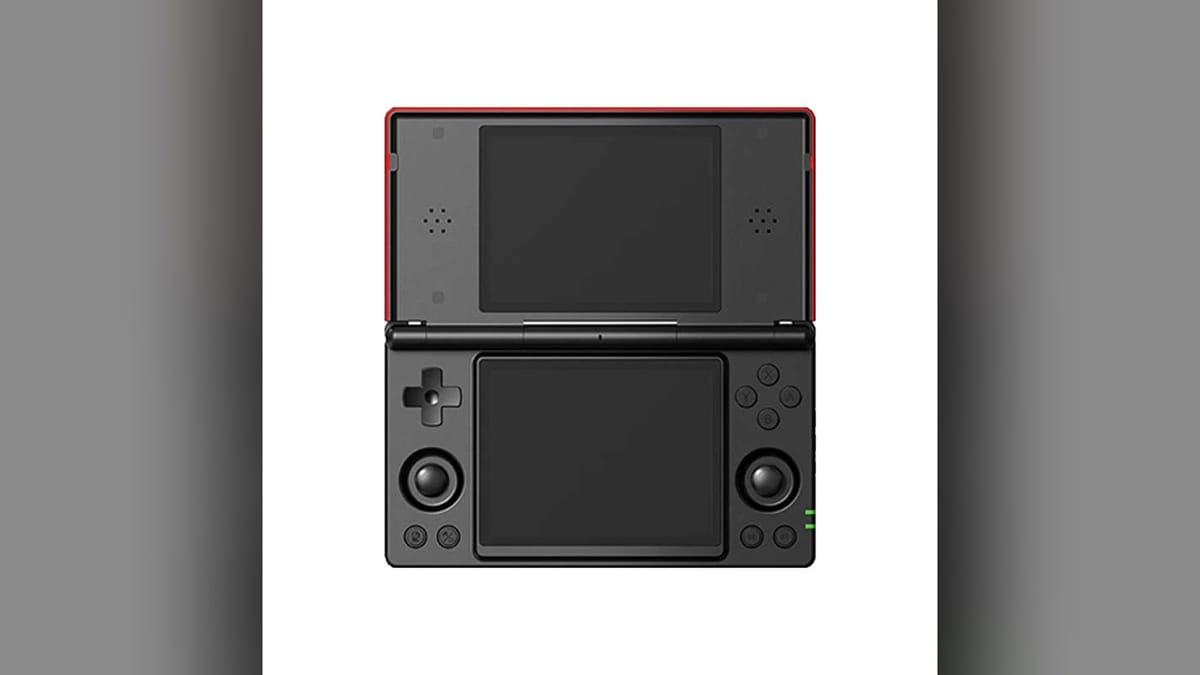
Custom firmware developer TheGammaSqueeze released GammaOS Nano v1.4.2 yesterday. This marks the first official build for the Anbernic RG DS Plus, bringing a heavily modified Android 14 environment to the dual-screen retro handheld. The update is currently available as an early release for Patreon supporters, with a public release planned for a later date.
GammaOS Nano is not a standard Android launcher. It operates as a micro-OS built on top of LineageOS 21. Because standard Android launchers and background services consume hundreds of megabytes of memory just to idle, GammaOS Nano bypasses the normal boot sequence. It uses the Direct Rendering Manager to paint a console-style home screen directly to the panels. It also features an early-boot audio engine that plays sound before the rest of the operating system finishes loading.
I am curious how that early audio pipeline feels in practice. Hiding boot times with immediate audio feedback is a clever way to make an Android device feel like a dedicated console.
Stripped down for 1GB of RAM
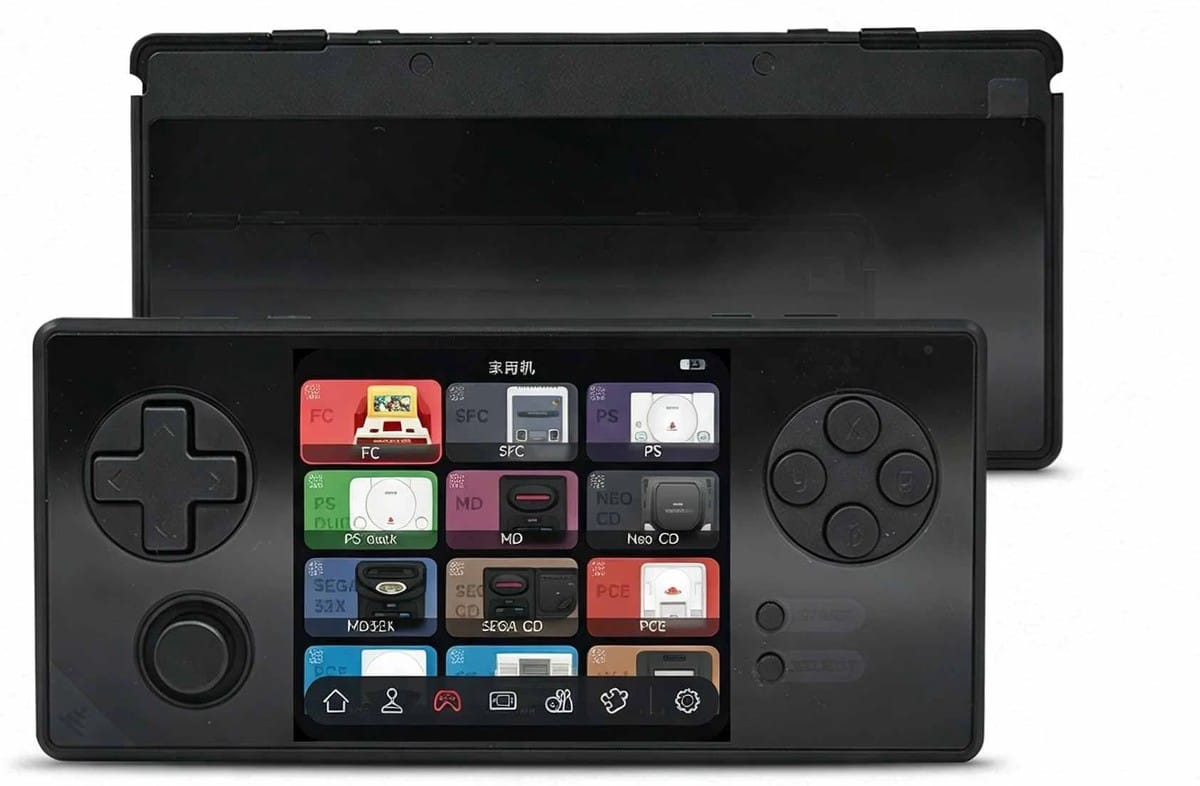
The Anbernic RG DS Plus runs on a Rockchip RK3568 processor and has only 1GB of RAM. To accommodate this hardware ceiling, version 1.4.2 ships exclusively as a "Core" build. This means Google Play Services are completely removed. Stripping out Google apps is the only sane choice for a 1GB device, as background syncing will absolutely choke a low-memory handheld.
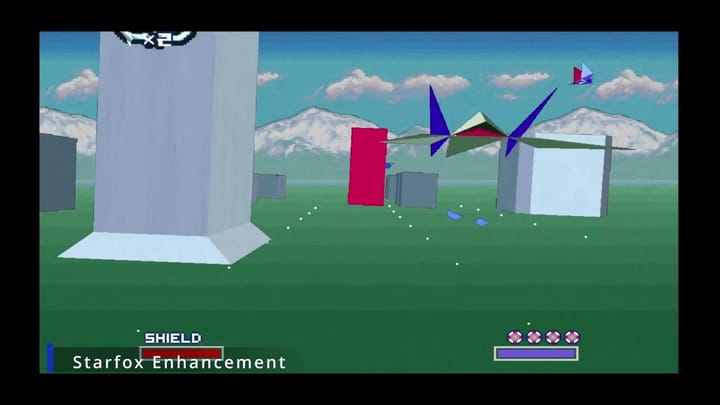
The update focuses heavily on Nintendo DS emulation performance. It includes a built-in DraStic-nano player configured with GPU-accelerated high-resolution 3D rendering and low-latency audio. The player adds an undo function for quick saves, a fast-forward speed limit, and 38 different RetroArch LCD and CRT shaders. RetroAchievements are supported, but only in Softcore mode. Hardcore mode requires approval from the RetroAchievements team, which the developer notes could take up to six months.
Beyond the emulator, the firmware includes self-contained music, video, and photo players. It also features a controller-friendly web browser, built-in Syncthing support, and system-wide network shares for SMB, NFS, WebDAV, and FTP.
Dual screens and SD cards
The firmware defaults to a Nintendo DSi System Menu theme to match the hardware's dual 4.3-inch displays. You can switch to a PlayStation 3 XMB style or a Minima theme at any time. The interface supports custom looping video wallpapers, and you can assign different wallpapers to each screen. A dual-screen Control Center manages single-screen Android applications.
Installation does not touch the handheld's internal eMMC storage. GammaOS Nano 1.4.2 runs entirely from an A2-rated microSD card. You write the image file using a patched version of the Rockchip SD Firmware Tool, as standard imaging software like balenaEtcher will not create a bootable card for this specific Rockchip architecture. If you want to return to the stock Anbernic firmware, you just power down the device and remove the SD card.
This release follows a string of version 1.4.1 updates pushed in August for other low-spec handhelds, including the GKD 350H Ultra, TrimUI Brick, and MagicX Zero 40. Those builds introduced the same micro-OS architecture to bypass Android overhead on budget hardware. For the RG DS Plus, future point releases will support over-the-air updates directly on the device, eliminating the need to reflash the SD card.
Comments ()