
GameNative v1.3 gets Rockstar and EA games running on Android
The v1.3 pre-release update for GameNative introduces a headless Steam client, fixing DRM issues and enabling EA and Rockstar titles on Android handhelds.

Utkarsh Dalal and the open-source contributors behind GameNative have released the v1.3 pre-release build, bringing a headless Steam client and support for EA and Rockstar titles to the Android translation layer. The update is available now on GitHub.
GameNative runs x86 Windows PC games locally on ARM hardware without cloud streaming. Android handhelds and smartphones often have the raw processing power to handle older PC titles, but translating desktop CPU instructions to mobile chips requires complex software layers. While Valve solved the Windows-to-Linux translation problem with Proton on the Steam Deck, GameNative tackles the harder job of translating across entirely different hardware architectures. Some of these v1.3 features began appearing in beta builds in September 2026, but this formal drop consolidates the fixes into a single package.
The Rockstar launcher finally behaves
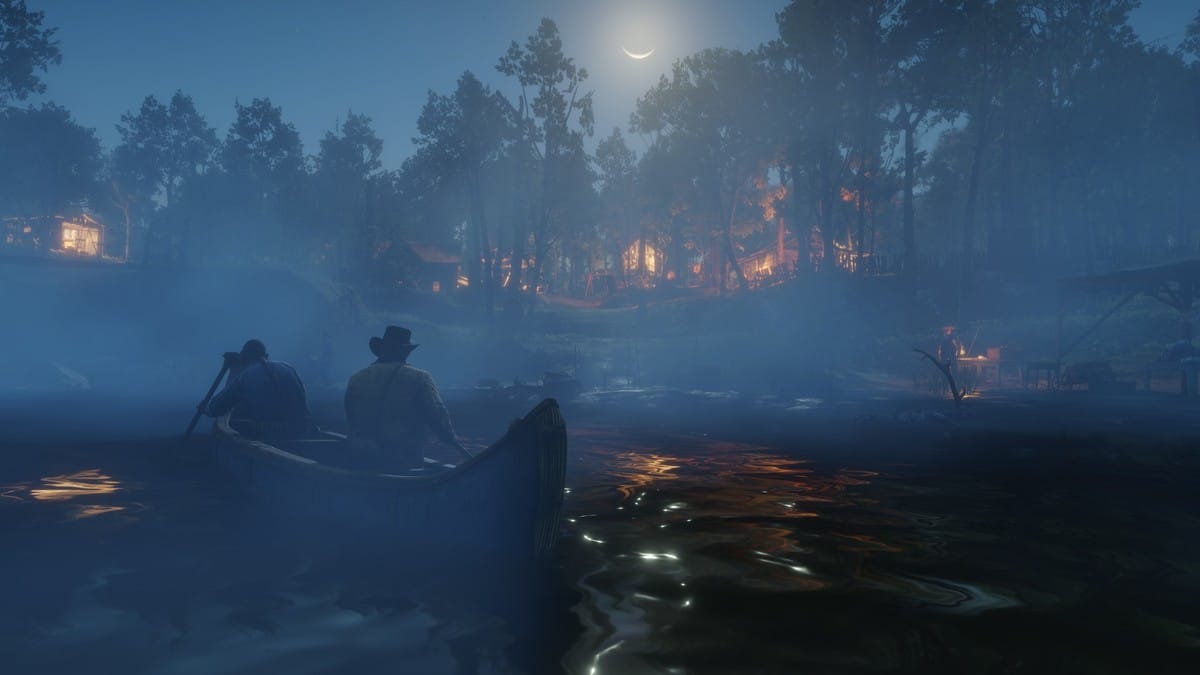
A persistent hurdle for mobile compatibility layers is third-party DRM. Desktop launchers from Electronic Arts and Rockstar Games usually demand full desktop shells to negotiate their handshakes. The v1.3 update bypasses this problem by implementing a headless Steam client.
This enables verified titles like Red Dead Redemption 2, Grand Theft Auto V, The Sims 4, and Titanfall to boot directly on Android devices. The headless mode also resolves online multiplayer issues in Age of Empires II and Counter-Strike, and fixes controller input in No Man's Sky. Epic Online Services multiplayer received a dedicated fix as well, correcting localhost hostnames and missing Wine root certificates.
Rust downloads and smaller containers
The update replaces the previous download system with a native Rust engine called gn-download. It processes a one-at-a-time queue to speed up installations from integrated storefronts. Storage management also received an overhaul. GameNative now shares components across its isolated environments, which shrinks individual game containers by up to 2GB each when you launch a title.
Other additions include a native Lossless Scaling Frame Generation pipeline set as the default, microphone input support, and better Nexus mod placement with FOMOD installation. For players using physical controllers, the app now includes granular deadzone and sensitivity tuning, plus a control profile library. The developers also added a VR game filter for headset users and an in-app AI support chat that can automatically apply recommended settings.
Storefront integration updates
GameNative pulls user libraries directly from PC storefronts, and v1.3 improves how those connections work. The update fixes language selection and offline mode for Epic Games Store titles. It also matches GOG Galaxy's cloud upload format and hides adult games from GOG recommendations. The patch notes list several game-specific fixes too. Half-Life 2 now boots the full game instead of the demo, Final Fantasy XII has corrected save game behavior, and Trover Saves the Universe runs properly through the Epic integration.
You can check if specific titles work on your hardware through the official GameNative compatibility database. I think the headless Steam client is the most practical addition here. Getting PC games to run on Android is hard enough without fighting a secondary launcher just to verify ownership.

Comments ()