
Nintendo's Game Boy Advance just turned 25
The 32-bit handheld launched in Japan exactly 25 years ago. Here is a look back at its hardware, its revisions, and why its games still look incredible.
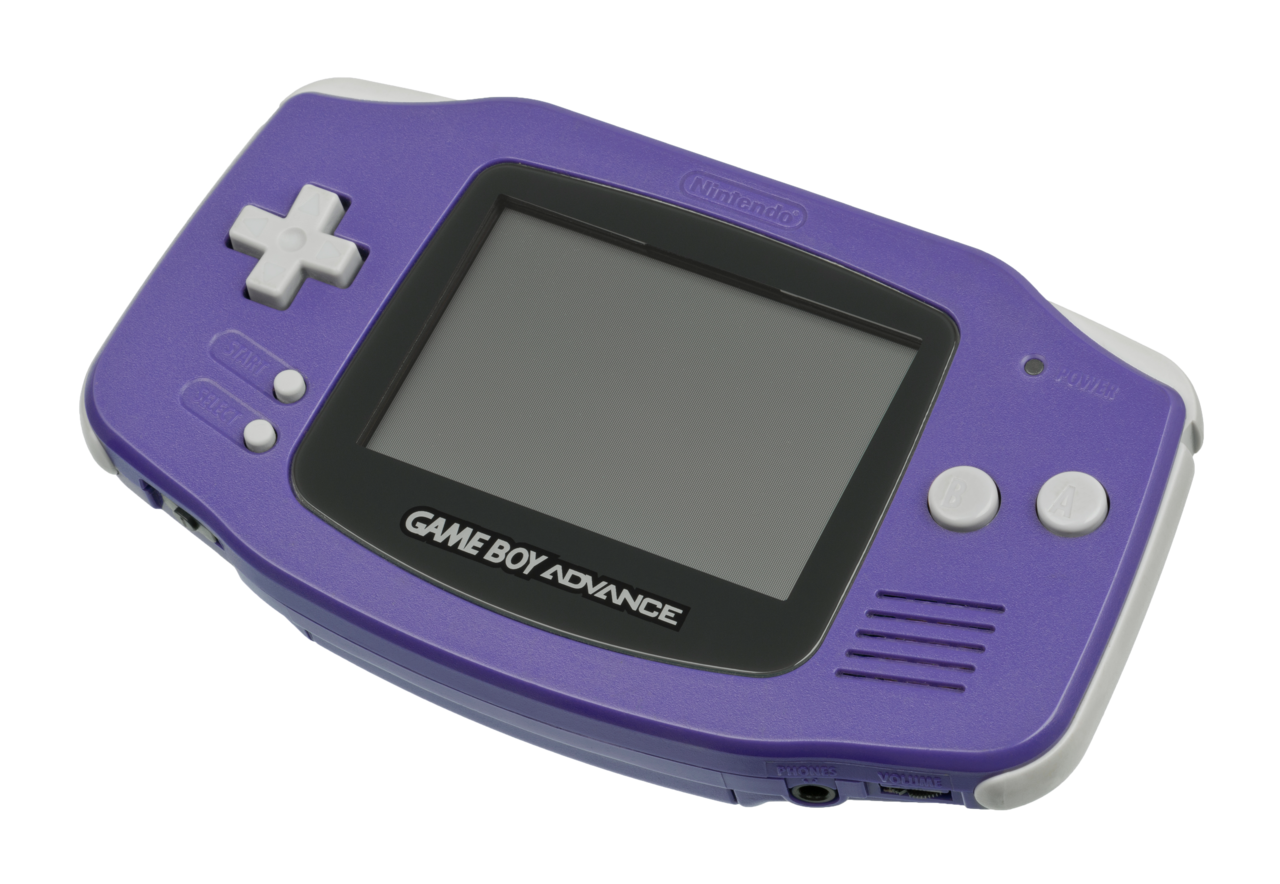
Nintendo's Game Boy Advance launched in Japan exactly 25 years ago today on March 21, 2001. The handheld hit shelves for 9,800 yen. It officially succeeded the Game Boy Color. It eventually launched in North America three months later for $99.99. The system went on to sell over 81 million units worldwide before Nintendo discontinued it in 2010.
I imported a Japanese launch model along with a copy of Super Mario Advance. I did not play it very much at the time. My Sega Dreamcast was taking up all my attention in 2001. The original GBA also had a notorious hardware flaw: you could barely see the screen. Without an internal light, you had to sit directly under a lamp or buy a worm light accessory just to see Mario jump. The ergonomics were great, but the display was a literal dark spot on the experience.
A 32-bit ARM processor in your pocket
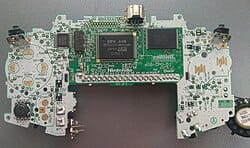
People often call the GBA a portable Super Nintendo. That is factually incorrect. The GBA is a 32-bit system powered by a 16.78 MHz ARM7TDMI processor. It also includes a Zilog Z80 coprocessor specifically to maintain backward compatibility with original Game Boy and Game Boy Color cartridges. The horizontal form factor was a major departure from the vertical Game Boy Color. Nintendo added L and R shoulder buttons. This gave developers more input options for complex games.
Developers ported plenty of 16-bit console games to the system. However, the hardware itself was a massive architectural leap over Nintendo's previous home consoles. It could handle complex physics, scaling, and rotation far beyond what the Super Famicom could manage.
F-Zero and 14 other Japanese launch games
The Japanese launch lineup included 15 games. Super Mario Advance and F-Zero: Maximum Velocity led the pack. Third-party developers showed up on day one with Castlevania: Circle of the Moon and Mega Man Battle Network. When the system arrived in North America in June 2001, the launch library matched that same 15-game count. Nintendo brought over the heavy hitters and added Rayman Advance to the mix. The system also hosted massive RPGs later in its life. Pokémon Ruby and Sapphire became the best-selling games on the platform. They moved over 16 million copies.
Fixing the screen in 2003
Nintendo eventually solved the lighting problem. The Game Boy Advance SP arrived in 2003 with a clamshell design, a built-in rechargeable battery, and a frontlit screen. A later SP revision swapped the frontlight for a proper backlight. In 2005, Nintendo released the Game Boy Micro. This was a tiny aluminum redesign that dropped backward compatibility with older Game Boy games. It offered the sharpest screen of the entire lineup, but it arrived right as the Nintendo DS was taking over the market.
Playing them on a television today
It took me until the 2020s to realize the GBA might be one of my favorite consoles ever. Playing these games on a large television via the Analogue Pocket dock or the Nintendo Switch Online service completely changed my perspective. Without the original hardware's dark screen hiding the artwork, you can see how detailed these games actually are.
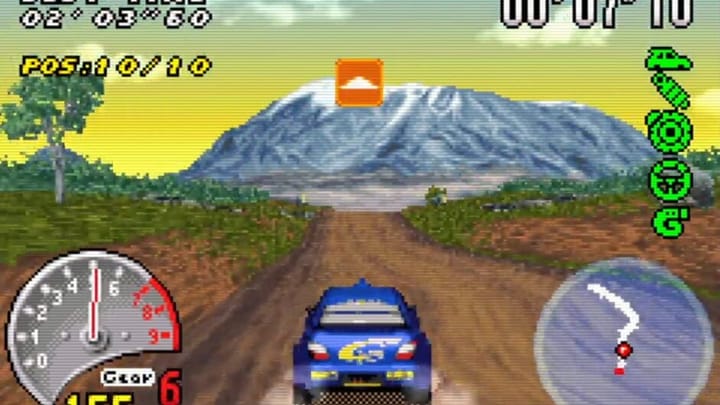
Titles like Castlevania: Aria of Sorrow, Metroid Fusion, and The Legend of Zelda: The Minish Cap have some of the most beautiful pixel art in all of gaming. The developers were working with a 240 by 160 resolution. They squeezed incredible color and animation into that tiny footprint.
The 32-bit handheld era was short. The Nintendo DS launched in 2004 and quickly shifted the industry toward dual screens and touch controls. The GBA only had a few years as Nintendo's primary focus. Those few years produced a library of games that still hold up perfectly 25 years later.
Comments ()