
DroidDeck 0.3.0 adds native Steam Input and Flatpak support
The open-source compatibility layer for Android handhelds just got a massive speed boost and proper controller mapping.
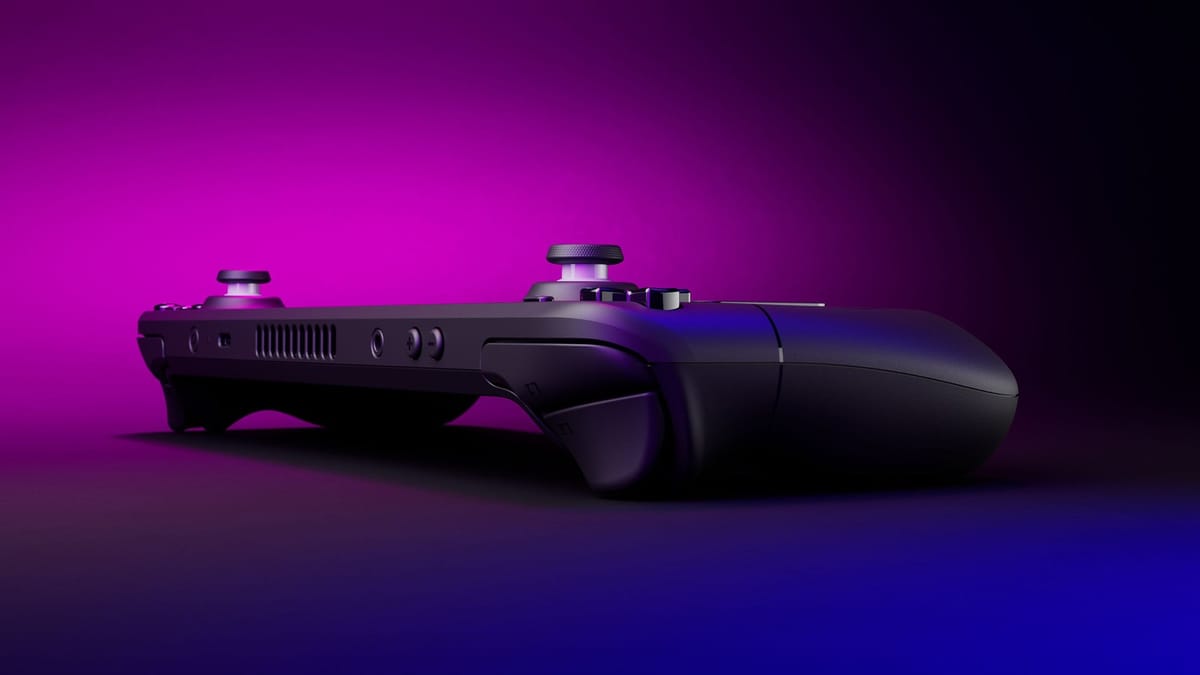
Developer supershredderdan has released version 0.3.0 of DroidDeck, bringing native Steam Input and Linux package support to the Android compatibility layer. The free APK update is available now on GitHub for Snapdragon-powered devices.
As previously reported during its 0.2.0 launch in late September, DroidDeck is not a traditional emulator. It uses a complex software stack including PRoot, gamescope, and FEX instruction translation to run Valve's native ARM64 Linux Steam client directly on Android. Windows emulation frontends like Winlator and Box64 containers have historically suffered from high CPU translation overhead and complex setup processes. DroidDeck sidesteps some of that friction by running the actual SteamOS Big Picture interface and relying on Proton alongside open-source Turnip Mesa Vulkan drivers for GPU acceleration. It does all of this without requiring root access on the host device.
It finally knows what a controller is
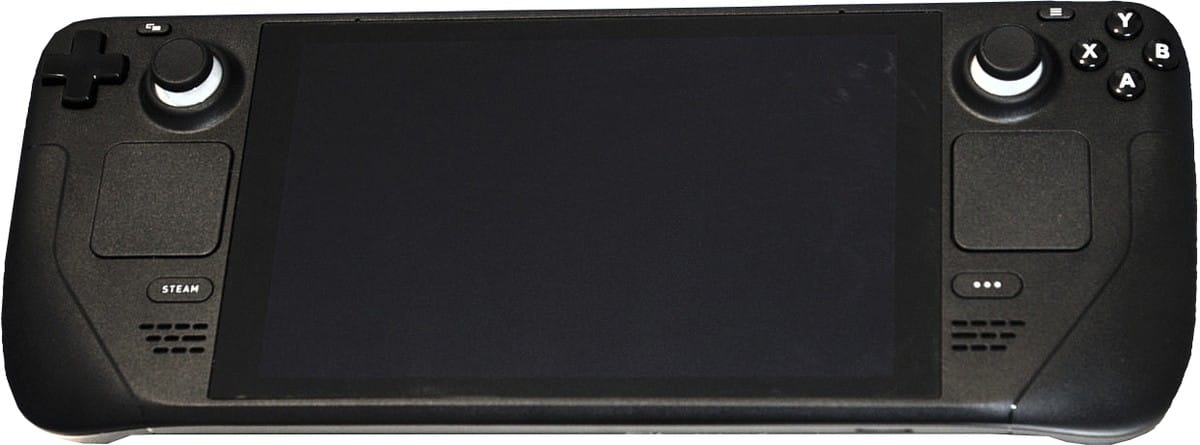
The biggest change in 0.3.0 is how it handles physical controls. Previous Android container builds often relied on fragmented mapping solutions that required configuring external apps just to navigate a menu. The new native Steam Input integration exposes your handheld's built-in gamepad and gyroscope directly to Steam. It tricks the client into recognizing the hardware as a virtual Steam Deck controller, complete with Quick Access menu support. I am curious to see how accurately this translates the raw gyro data from devices like the Retroid Pocket 5 or Ayn Odin 2 in practice.
Startup times are drastically shorter. The boot sequence from launching the app to hitting the SteamOS interface dropped from roughly 31 seconds to just six seconds. The developer also automated the Turnip GPU driver deployment. There is now a dedicated management tab for driver updates, meaning you no longer have to manually juggle custom driver files to get Qualcomm Adreno GPUs cooperating with PC games.
Desktop Linux on a phone
The update expands what the container can actually run. Version 0.3.0 adds support for Flathub and AppImage packages. Standalone Linux applications can now run alongside your Steam library, turning an Android gaming handheld into a pocket-sized Linux desktop. Decky Loader plugin support is also active. You can install the exact same UI tweaks, theme managers, and performance overlays that work on Valve's official hardware.
Valve released the Steam Deck in 2022, popularizing the concept of translating Windows games to Linux on the fly via Proton. DroidDeck takes that exact compatibility layer and forces it to run on ARM architecture. Translating x86 Windows calls to ARM64 Linux is a heavy lift, which is why the Turnip driver optimizations in this release matter so much for framerates.
The Android handheld market is currently flooded with capable Snapdragon hardware, from older 730 chips up to the current 8 Gen 3. Those devices possess plenty of raw compute power and active cooling, but their software ecosystem usually tops out at native mobile ports and retro console emulation. DroidDeck is trying to bridge the gap to PC gaming without requiring a local streaming connection to a host PC. The 0.3.0 release makes that bridge considerably more stable.

Comments ()