
Anbernic's RG DS Linux V1.1 update adds Vulkan for PSP
Anbernic's free Linux V1.1 firmware update for the RG DS clamshell adds a Vulkan backend for PSP, updates the DS emulator, and lets you turn off the second screen.
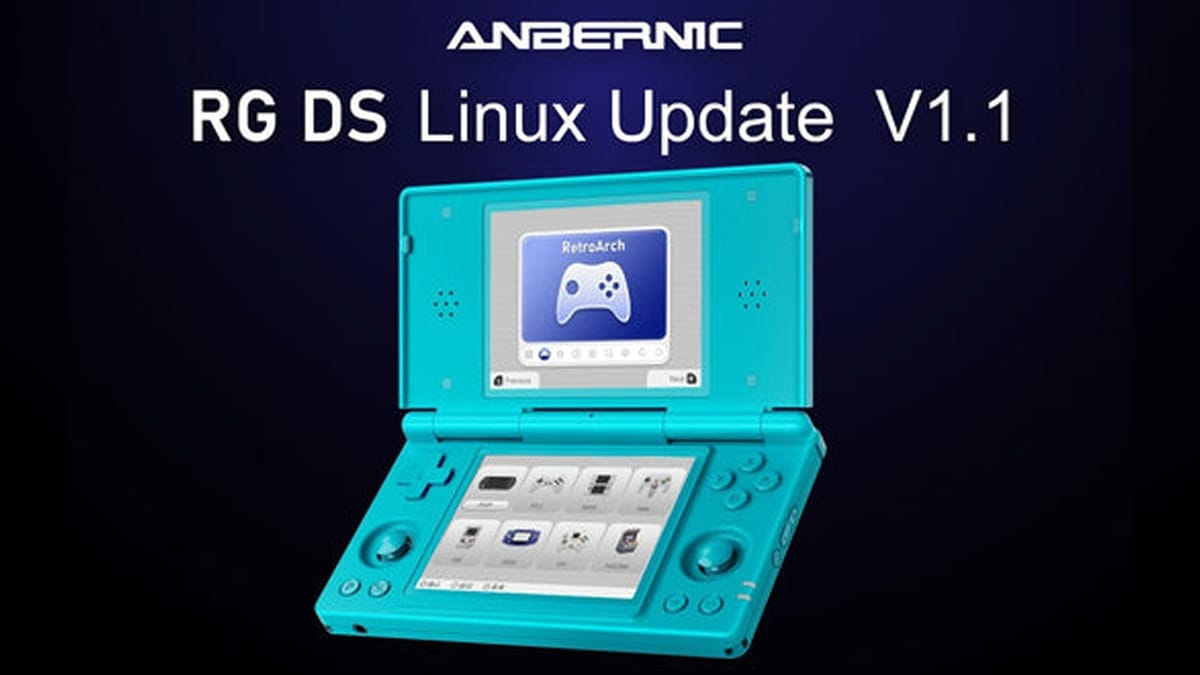
Anbernic has released the Linux V1.1 firmware update for its dual-screen RG DS handheld, adding a Vulkan rendering backend for PlayStation Portable emulation, upgrading the Nintendo DS emulator, and introducing a toggle to shut off the unused display during single-screen gaming. Released on October 19 as build RG DS-en-16G-V1.1-261008, the free update builds on the initial V1.0 Linux firmware that rolled out in May 2026.
The Anbernic RG DS launched earlier in 2026 as a $94.99 clamshell tailored for dual-screen emulation, avoiding the awkward split-screen compromises required on standard horizontal handhelds. While the hardware originally shipped with Android, Anbernic introduced the dual-boot Linux option in May for players who prefer a faster-booting, low-overhead frontend. It's a welcome option on a budget device, even if V1.0 left a few rough edges in system power management and emulator configurations.
Vulkan on the Rockchip RK3568
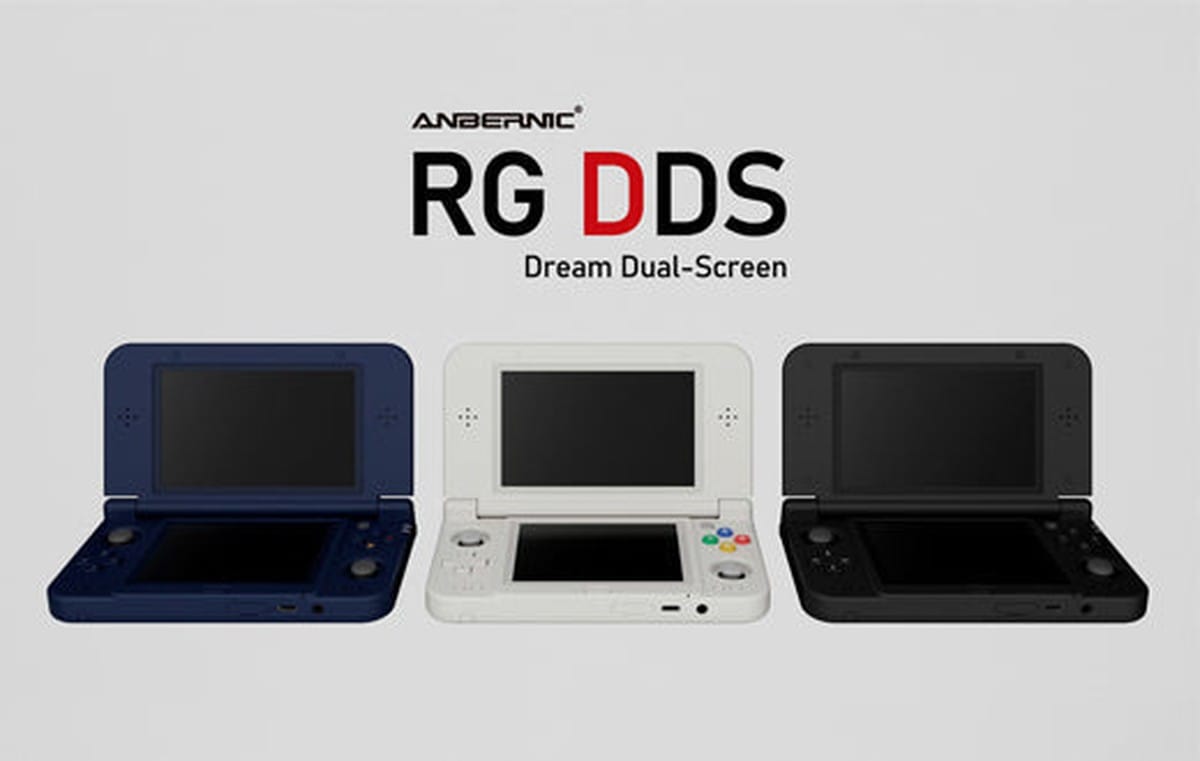
The headline addition for 3D gaming is the new Vulkan backend for the system's PSP emulator. Under the hood, the RG DS runs on a quad-core Rockchip RK3568 processor paired with 3GB of RAM. That's a modest chip when you're trying to push Sony's 2004 handheld at stable framerates.
Relying solely on OpenGL on lower-end ARM chipsets often turns heavier PSP games into a slideshow. Switching to Vulkan cuts down on driver overhead and smooths out frametime spikes. I'm curious to see if this gives the RK3568 enough breathing room to handle notoriously demanding games like God of War: Chains of Olympus or OutRun 2006: Coast 2 Coast without resorting to aggressive frameskipping, though 2D titles and lighter 3D RPGs are still the safer bet on a sub-$100 handheld.
Core Nintendo DS performance gets a pass in this build too. Anbernic updated the standalone nnddss emulator to version 1.0.2, optimizing CPU instruction pipelines and frame rendering for the RK3568 architecture. Because the handheld's whole appeal rests on its twin 4-inch IPS touchscreens replicating Nintendo's original 2004 dual-screen layout, squeezing better efficiency out of nnddss is the most practical improvement here.
Turning off the dead weight
The most sensible quality-of-life fix in V1.1 is the new display toggle, which lets you completely power down the secondary screen when playing single-screen systems like the Game Boy Advance, PlayStation 1, or PSP. Leaving a second 4-inch IPS panel glowing blankly while playing a single-screen game was an obvious waste of the console's 4,000mAh battery. Shutting it off keeps your focus on the active display and stops the idle panel from draining power in the background.
With companies like Retroid and AYN targeting the high-end dual-screen market in late 2026 with Snapdragon-powered clamshells priced near $300, Anbernic is keeping the RG DS competitive by refining the software on its entry-level hardware.

Comments ()