
Anbernic's new RG Vita Pro is launching with dual operating systems
The upcoming 16:9 retro handheld will run both Android 14 and Linux, powered by a Rockchip RK3576 processor and 4GB of RAM.
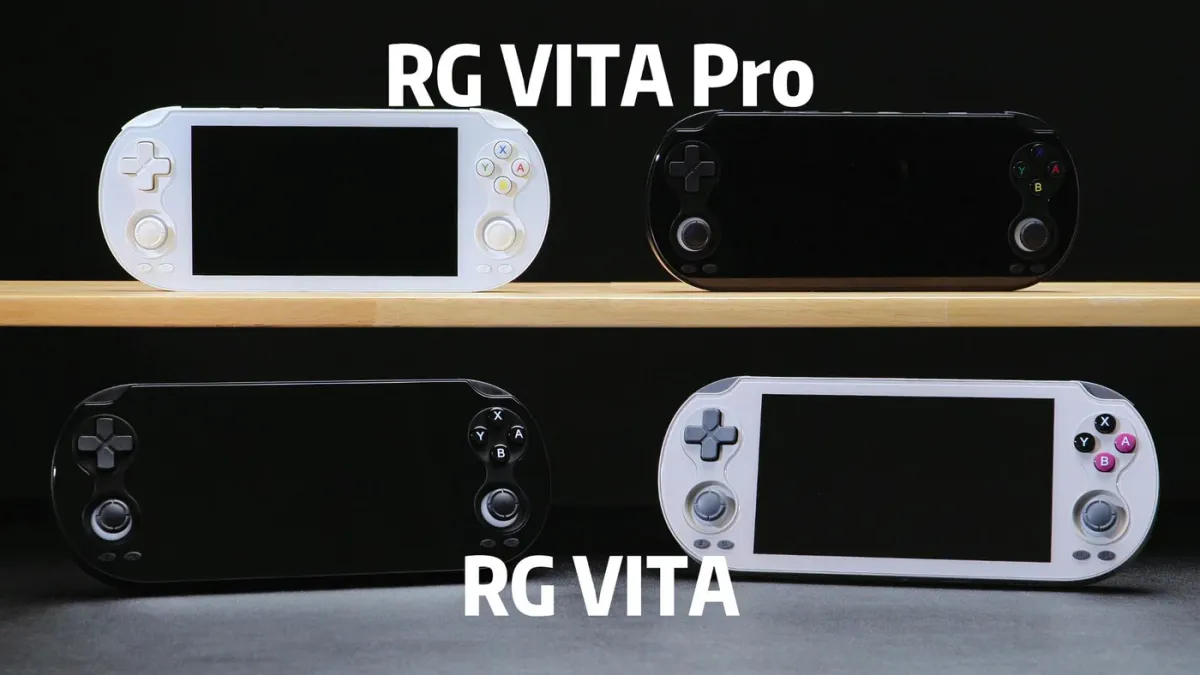
Anbernic has released a new teaser video confirming that its upcoming RG Vita Pro handheld will run both Android 14 and a Linux operating system. The device is expected to launch in the third week of March 2026 alongside a standard, lower-spec RG Vita model.
Anbernic's official teaser video for the RG Vita Pro. Video: Anbernic
The Pro model uses a Rockchip RK3576 processor paired with 4GB of LPDDR4X RAM. This is a big shift in Anbernic's hardware strategy. The base RG Vita relies on the older Unisoc T618 chip, which powered an entire generation of 2023 handhelds like the Retroid Pocket 3 Plus and Anbernic's own RG405M. Moving to the RK3576 for the Pro gives the device more thermal headroom and better driver support for Linux.
The Pro also upgrades the display to a 5.46-inch 1920x1080 IPS touchscreen. The standard model uses a 720p panel. According to the official Anbernic blog, the hardware is powered by a 5,000mAh battery. The spec sheet also includes Wi-Fi 6, Bluetooth 5.0, and 1080p DisplayPort output via USB-C.
Pushing up to PlayStation 2
I love both the PSP and the Vita. The design of this new handheld pulls directly from Sony's portable hardware. It keeps that wide 16:9 aspect ratio that makes PSP games look native without any black bars. Anbernic opted for Nintendo-style face buttons and standard analog triggers instead of trying to replicate the Vita's rear touchpad.
In terms of emulation limits, the RK3576 chip and 4GB of RAM give the Pro enough overhead to handle the PlayStation 2, GameCube, and Nintendo Wii. The 1080p screen allows for integer scaling of older systems. This makes 3D games from the PS2 era look much sharper than they did on original hardware. Having dual operating systems means users can boot into Linux for a streamlined, console-like frontend, or switch to Android 14 to run standalone emulators like AetherSX2 that require specific touchscreen configurations.
Pricing has not been officially locked in by Anbernic. Community leaks indicate the base model will target the sub-$100 market. That puts the Pro version somewhere in the $130 to $150 range. This pricing bracket has become highly competitive, with companies like TrimUI and MagicX releasing similarly specced devices over the last few months.
Do I need another device?
As much as I appreciate the form factor, I wonder if I actually need this device. I already have a Steam Deck OLED which plays everything I want just fine. Valve's handheld can upscale PS2 games without breaking a sweat and handle modern PC releases in the same session. It has better ergonomics, better analog sticks, and a massive community building custom proton layers. But $150 is a pretty great price for something this nice.
The appeal of the RG Vita Pro is purely about size and convenience. A Steam Deck is massive. The RG Vita Pro is pocketable. Having a dedicated Linux interface for emulation on a 5.5-inch screen is a different use case than pulling out a heavy PC handheld on a train or a flight. You can throw the Anbernic in a jacket pocket without needing a dedicated carrying case.
The dual-OS approach is the real selling point here. Android is great for raw performance on budget chips, but it always feels like you are using a phone with a controller attached. Linux distributions like JELOS or Batocera have a much cleaner user experience. We will see how the Rockchip performs in real-world testing when the review units ship later this month.


Comments ()