
An earlier prototype of the 1992 Sega CD tech demo is out
Hidden Palace has released a May 9, 1992 build of the Sega Multimedia Studio tech demo, predating the famous SCES version by several weeks.
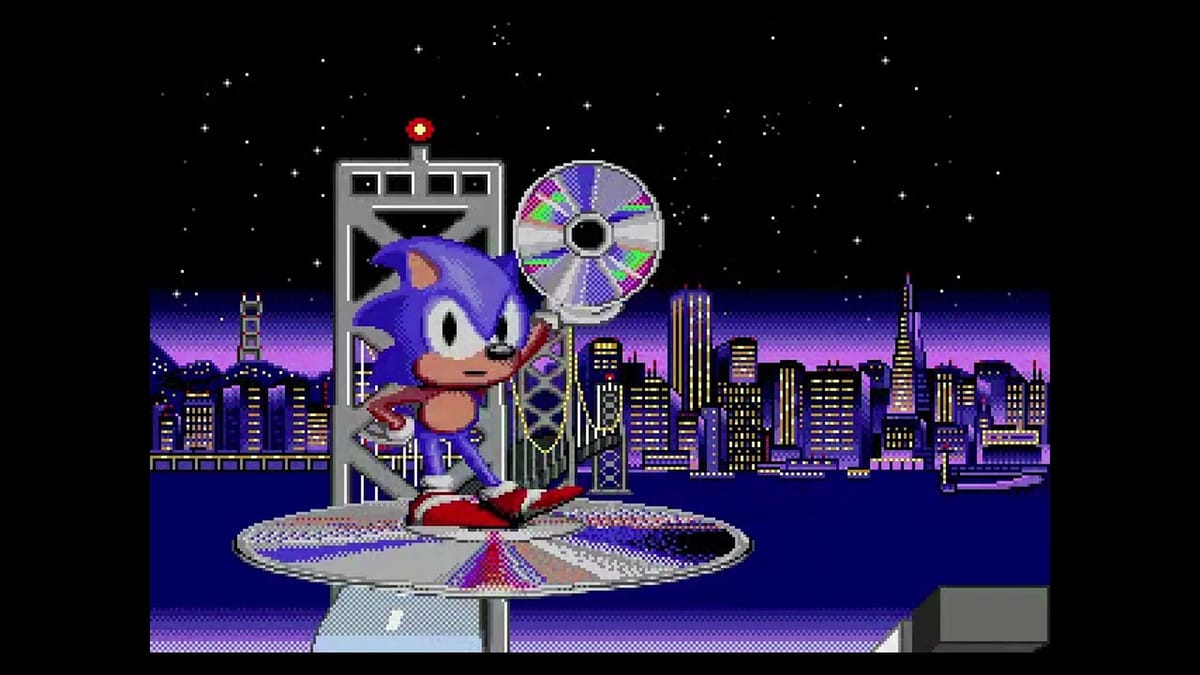
Video game preservation group Hidden Palace has released a May 9, 1992 prototype of the Sega Multimedia Studio tech demo for the Sega CD. A prototype of a demo is very niche, but this build offers a strange look at how Sega pitched its CD add-on behind closed doors.
This specific ROM predates the May 29 version that Hidden Palace dumped in 2019 by a few weeks. It features alternate scene transitions and a different music track. The file comes directly from the personal archival materials of former Sega of America audio director David Javelosa.
Footage of the May 9 prototype in action. (Credit: Hidden Palace on YouTube)
The audio in this May 9 build is particularly notable. The music differs from the later SCES version, featuring an arrangement by Javelosa, Spencer Nilsen, and Brian Coburn. Nilsen would go on to compose the North American soundtrack for Sonic CD. His early experimental work here is a preview of the musical direction Sega of America would take for its flagship franchise on the new format.
Real hardware refuses to boot it
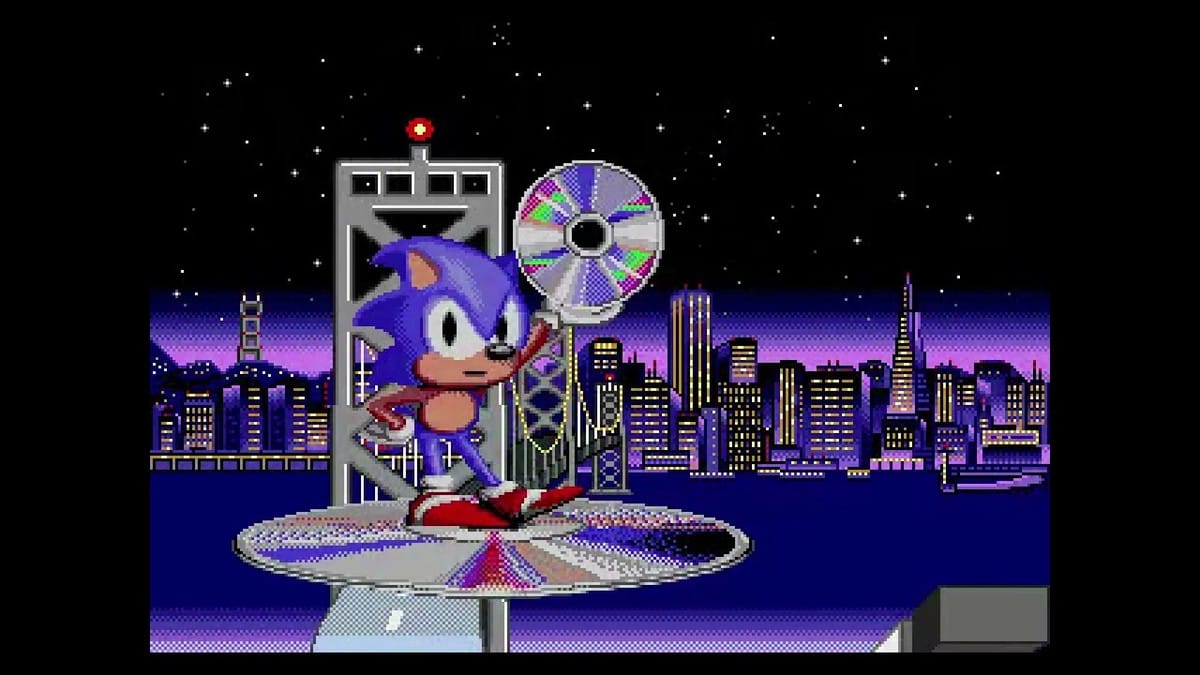
If you want to run this yourself, you will need to use software. The prototype seemingly doesn't boot on actual Sega CD hardware without patching. Emulators handle it fine. That's the recommended way to view the scaling and rotation tests anyway. Burning the ROM to a CD-R and feeding it to a physical console just results in a failure to load. The exact reason for the hardware incompatibility isn't entirely documented, but early development builds often rely on specific devkit environments that retail consoles lack.
The demo itself is a product of Sega Multimedia Studio, an internal R&D team established in California in late 1991. Sega tasked them with figuring out what the CD-ROM peripheral could actually do. The base Genesis hardware struggled with advanced graphical tricks, so the Sega CD included a faster secondary CPU and custom hardware for sprite scaling and rotation. Before the add-on launched in North America in October 1992, the studio built these presentations to show off those exact features, alongside grainy full-motion video and crystal-clear Redbook audio.
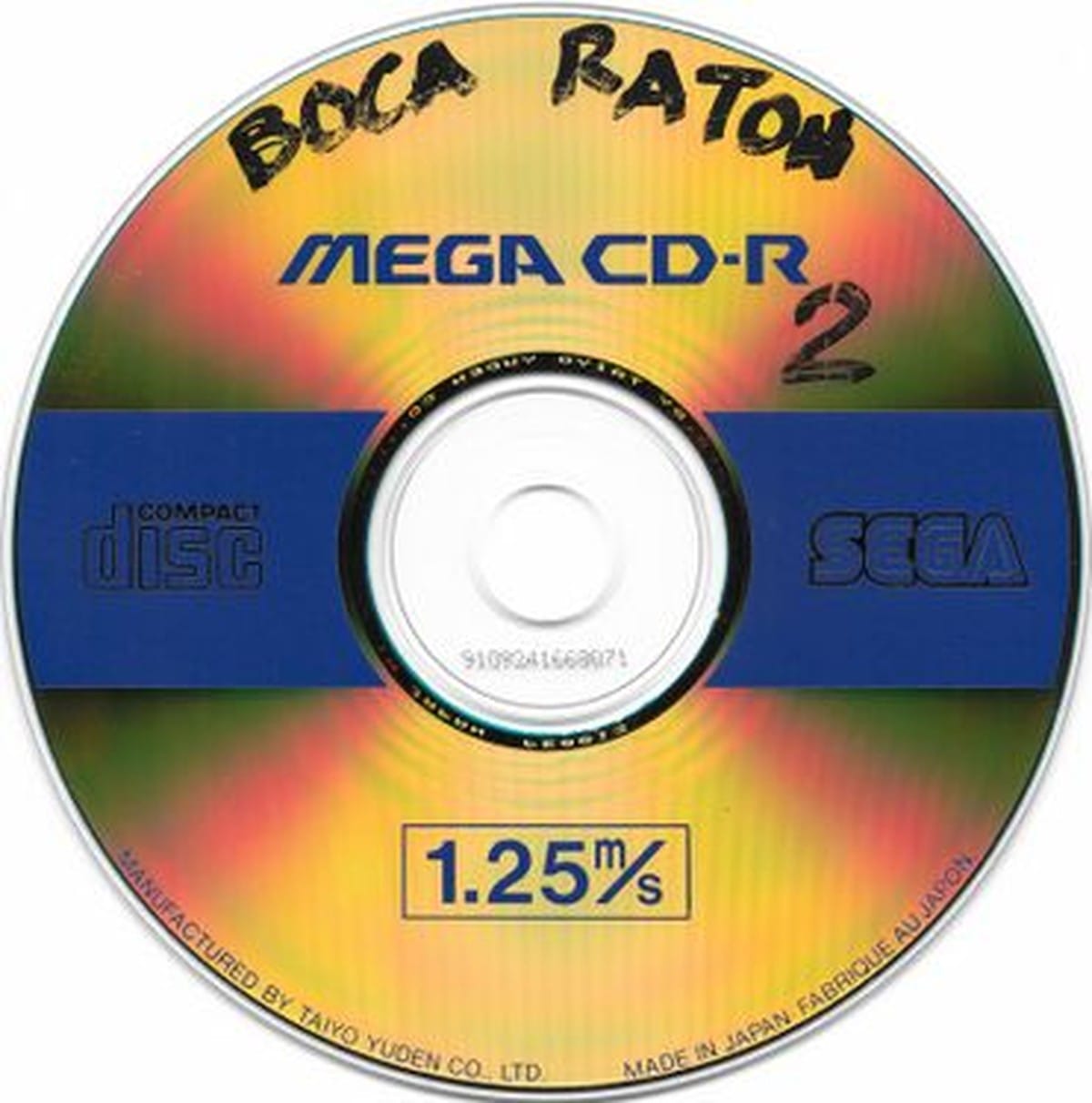
The Boca Raton build
The more famous version of this demo appeared at the Summer Consumer Electronics Show in June 1992. That SCES build caused a minor panic in the contemporary gaming press. Magazines repeatedly misidentified an animation of Sonic the Hedgehog surfing on a compact disc as leaked footage from an upcoming Sonic CD game.
Sega didn't send this May 9 prototype to Chicago for SCES. They prepared it specifically for the first annual Sega Summit in Boca Raton, Florida. It's a rougher draft of the same pitch, built to convince industry partners that the Genesis add-on was worth their time and money.
Sega Multimedia Studio went on to develop full games like Jurassic Park for the Sega CD and the platformer Wild Woody. They also worked on heavy full-motion video titles like Prize Fighter. Sega eventually dissolved the team in the late 1990s as the company shifted focus to the Saturn and Dreamcast hardware generations. The studio's early tech demos remain a fascinating artifact of the early 1990s multimedia boom, even if you need an emulator to watch this one spin a digitized globe.

Comments ()