
50 years of the Zilog Z80: The 8-bit chip that ran the world
It started as a better Intel 8080. Half a century later, the Zilog Z80 is responsible for everything from Pac-Man to the Sega Genesis soundscape.
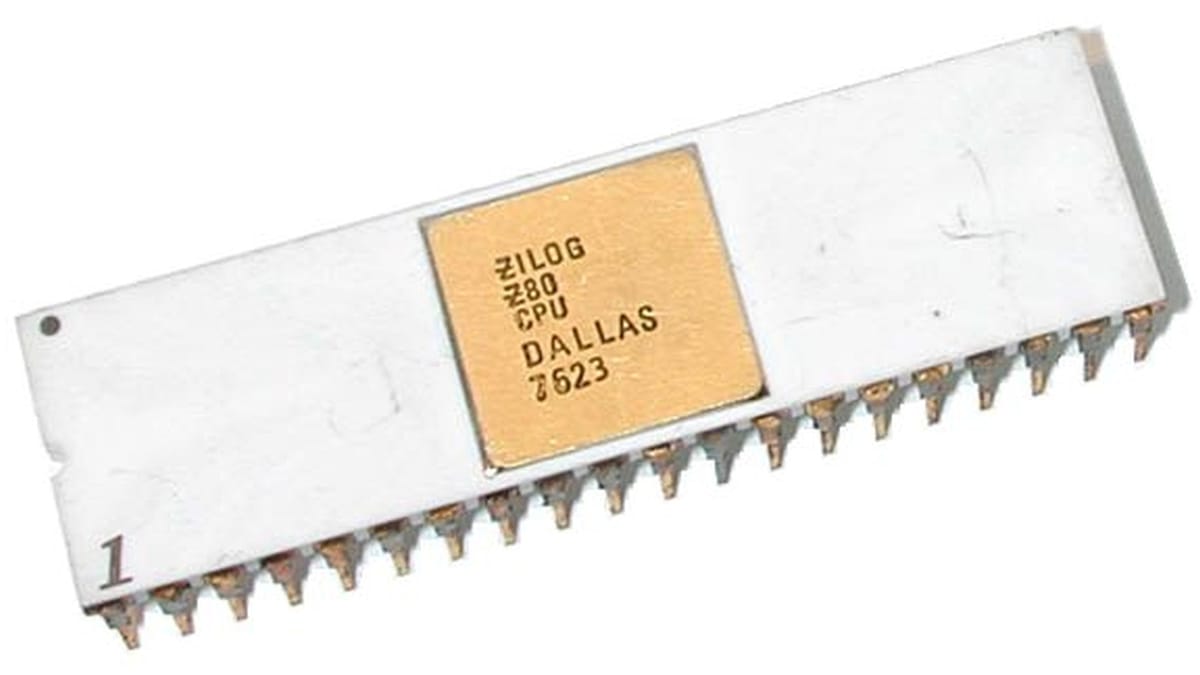
In July 1976, a tiny California startup called Zilog released an 8-bit microprocessor. It was supposed to be a straightforward upgrade to the Intel 8080. Instead, the Zilog Z80 became the foundational hardware for an entire generation of computing. This month marks exactly 50 years since the Z80 hit the market, and you probably have three of them sitting in a closet right now without realizing it.
The chip was born out of frustration. Federico Faggin was the lead designer on the Intel 8080. He left the company in 1974, taking executive Ralph Ungermann and engineer Masatoshi Shima with him. They wanted to build a processor that fixed all the annoying quirks of their previous work. The result was an absolute workhorse that accidentally conquered the video game industry.
Built-in memory refresh and other party tricks
To understand why the Z80 took over, you have to look at what building a computer was like in the late 1970s. The Intel 8080 required three separate power supply voltages. It also needed extra support chips just to talk to dynamic RAM. The Z80 changed the math.
Faggin and his team designed the Z80 to run on a single 5-volt power supply. More importantly, they built dynamic RAM refresh circuitry directly into the processor. For hardware manufacturers, this was a massive cost savings. You could build a functional computer with far fewer components on the motherboard.
On the software side, the Z80 was fully backward-compatible with 8080 code. Developers did not have to throw away their existing software libraries. Zilog just gave them more toys to play with. The Z80 doubled the number of general-purpose registers, added two new index registers, and introduced block move instructions. A programmer could move chunks of memory around with a single command instead of writing a tedious loop.
The CP/M invasion
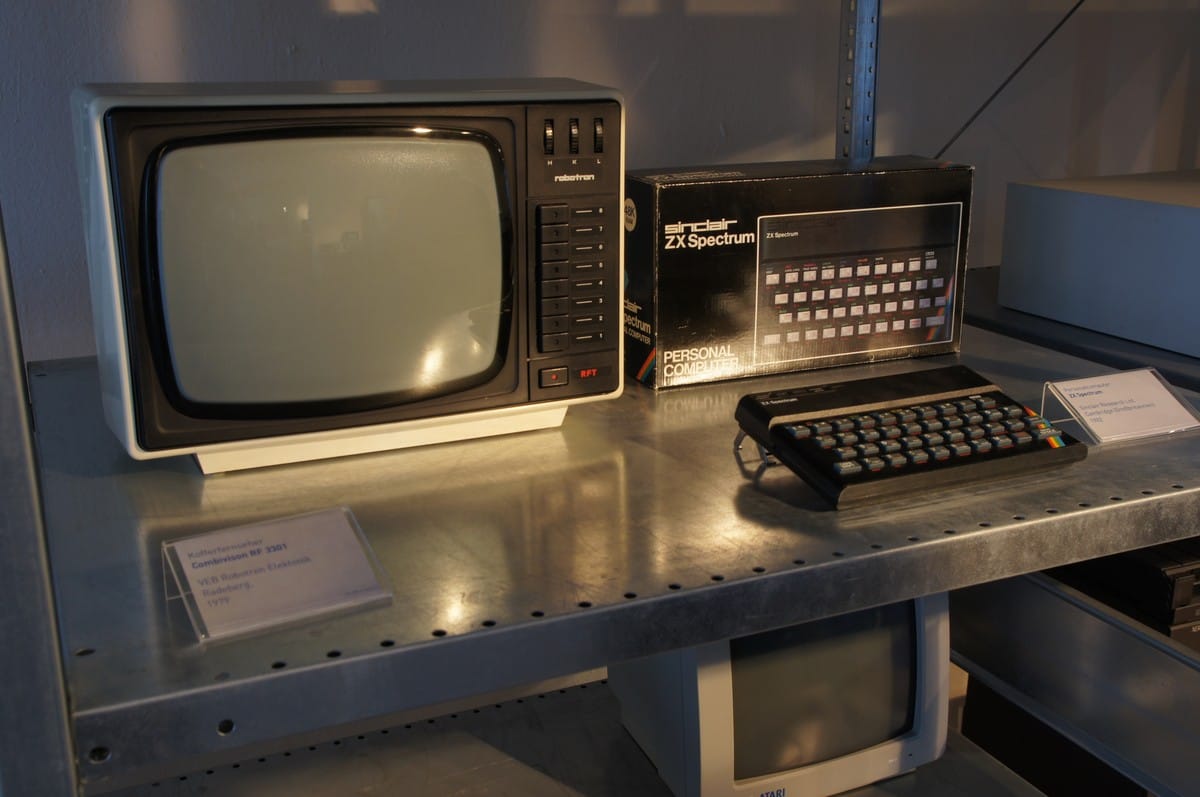
Before Microsoft DOS became the standard, business computing ran on an operating system called CP/M. The Z80 was the undisputed king of the CP/M era. If a company wanted to sell a serious business machine, it needed a Z80 inside.
This dominance bled into the home computer market. The Radio Shack TRS-80 launched in 1977 with a Z80 running at a blistering 1.77 MHz. Over in the UK, Sinclair Research used the chip to power the ZX80, the ZX81, and eventually the successful ZX Spectrum. Amstrad built its CPC line around the processor. Microsoft and ASCII Corporation partnered to create the MSX standard in Japan, and naturally, they picked the Z80 to run it.
According to the extensive documentation at z80.info, the chip was cheap, documented everywhere, and understood by every programmer on the planet. That made it very attractive to a different group of engineers: arcade cabinet designers.
Eating dots and jumping barrels
The golden age of arcade games is basically a Z80 highlight reel. Namco used it to run Pac-Man. Nintendo put one inside the original Donkey Kong cabinet. Sega's hardware engineers loved the chip so much they often used multiple Z80s in a single arcade board just to handle different tasks.
When those arcade companies decided to make home consoles, they stuck with what they knew. The ColecoVision used a Z80. Sega built the SG-1000, the Master System, and the portable Game Gear around it. Even Nintendo's Game Boy used a custom Sharp processor (the LR35902) that was essentially a modified Z80 missing a few instructions but gaining audio hardware.
Demoted to the audio department
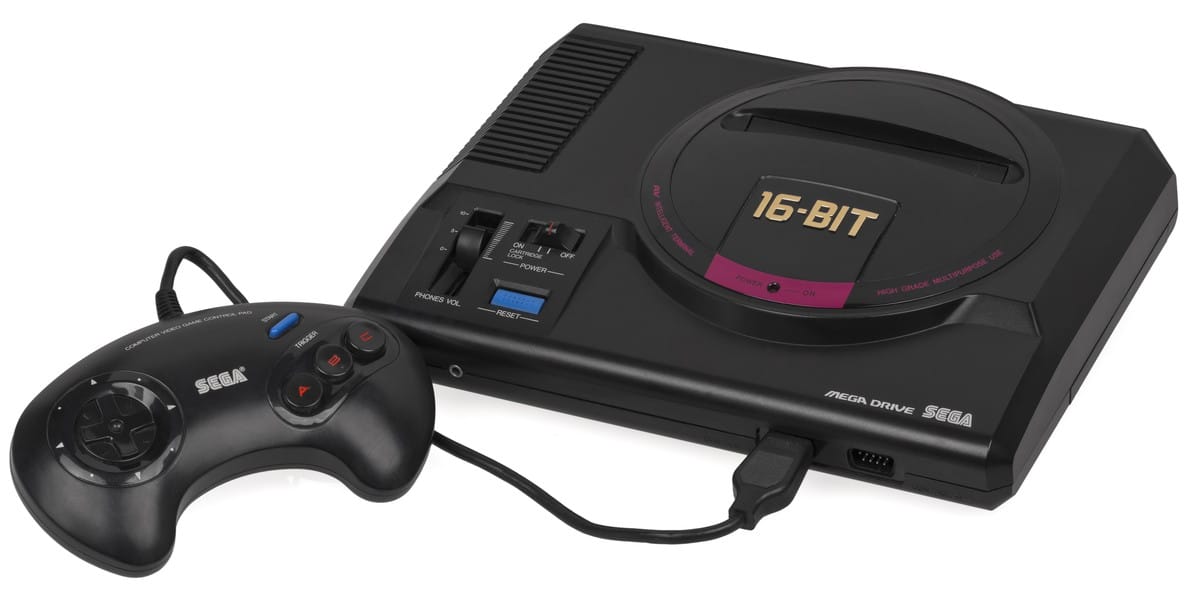
By the late 1980s, the industry was moving to 16-bit processing. The Motorola 68000 was the new heavyweight champion. The Z80 was too slow to handle the physics and graphics of games like Sonic the Hedgehog or Street Fighter II. But it did not disappear.
Instead, hardware designers found a new job for it. The Sega Genesis features a full Motorola 68000 as its main brain, but there is a 3.58 MHz Z80 sitting right next to it on the motherboard. Its only job is to control the Yamaha YM2612 FM synthesizer and the Texas Instruments programmable sound generator. SNK did the exact same thing with the Neo Geo. The 68000 handles the fighting game logic, and a dedicated Z80 manages the audio.
This shift happened for a very practical reason. Audio requires precise timing. If the main processor gets bogged down calculating collision detection for thirty sprites, the music will stutter. Giving the sound hardware its own dedicated babysitter solved the problem. The Z80 was incredibly cheap by 1989, and every developer already knew how to write code for it. It was the perfect cheap coprocessor.
Fifty years is an eternity in technology. Most chips from 1976 belong in a museum. Zilog officially discontinued the classic Z80 microprocessor (Z84C00 range) in June 2024, ending its 48-year production run, meaning it is no longer being manufactured. Federico Faggin wanted to build a better 8080. He ended up building a piece of hardware that simply refused to die.
Comments ()